Speed Cleaning Routine for Busy Women
You are busy. You want a calm home without losing your day. This guide promises simple, step-by-step systems you can follow in minutes. We offer daily, weekly, and monthly flows so small habits add up to real change.

Start gentle. Learn a 20-minute daily method with weekly anchors. You’ll get room-by-room examples for kitchen, bathroom, bedroom, living and dining. Quick resets and a clutter basket sweep make guest prep fast and peaceful.
We favor simple order. Use a visible checklist or a small control center to rest your mind. Wear shoes or grab a caddy to keep you moving. Little wins like wiping one table or making the bed shift the feel of the house.
Key Takeaways
- Follow a short daily flow plus weekly anchors for steady results.
- Use room-by-room steps for fast wins in kitchen, bedroom, and living areas.
- Create a control center with a visible checklist and calendar.
- Try a 20-minute daily habit and a quick clutter basket sweep.
- Keep supplies on you to cut back-and-forth and save time.
- Choose peace over perfection. Small, consistent steps matter most.
Mindset and Setup for Speed Cleaning
A small shift in setup makes the whole job feel easier. Start with a calm intention. Keep tasks short. This helps you begin without dread.
Put on shoes to switch your brain into go mode.
Put on shoes to switch your brain into go mode
Put on shoes. This little step signals your body and mind that it is time. You get a small energy lift. It feels similar to getting ready for work or a quick workout.
Keep supplies on you with a cleaning apron or caddy
Carry a simple caddy or an apron. Tuck a trusted cleaner, a hand towel, a duster, and a few small items inside. You move once and do more.
Make sure your setup lives in one place. No hunting for tools. No delay. Over the years this one habit saves you real time and stress.
Use a basket for stray items. Walk the house and collect loose things in one pass. Return them after the circuit so you keep your flow.
- Start with one small step. Press play on a calm playlist. Set a soft timer.
- Ask others to help. Even kids can sort light clothes or carry a small trash bag with supervision.
- Choose mild products you trust. Fewer items make the job lighter.

Speed Cleaning Routine
Begin with a short, steady plan you can finish in one pass. Use a clear order and a timer. You will move through rooms calmly. Aim for twenty minutes a day.

Daily 20-minute flow: top to bottom, left to right, floors last
- Quick basket sweep. Gather loose things in each room. Return items later.
- Wipe key touch points. Do doorknobs, switches, and counters.
- Tidy surfaces. Smooth the bed. Stack a few items. Put dishes in the sink.
- Finish with floors. Spot-vacuum or sweep last to avoid rework.
Weekly anchors
Keep one focus per day. This makes upkeep steady and light.
- Monday: dust whole house.
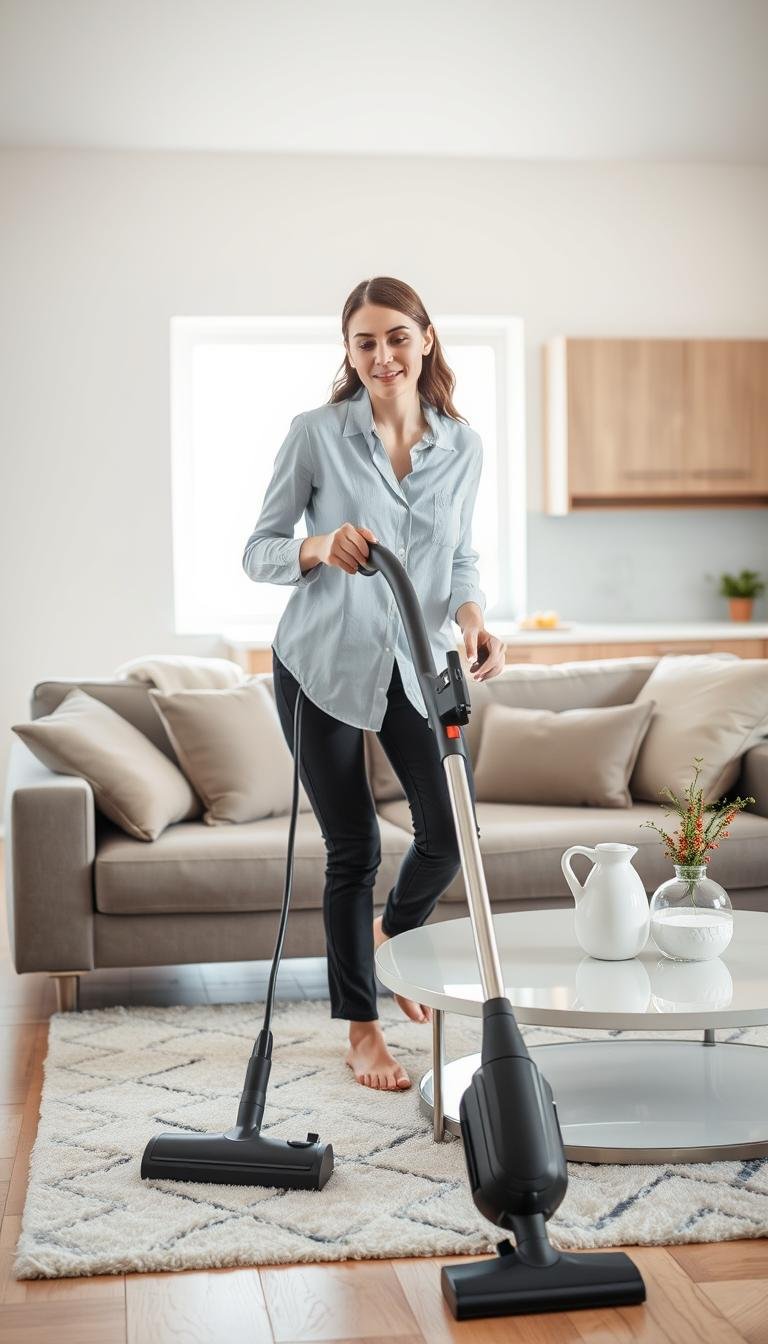
- Tuesday: vacuum rugs and floor.
- Wednesday: quick bathroom refresh.
- Thursday: kitchen reset. Clear dishes and counters.
- Friday: mop hard floors.
- Saturday: tub and shower detail while laundry runs.
Monthly light reset
Do small edits that keep clutter away. Open two cupboards and remove things you no longer use.
Swipe baseboards in one room. Do a fast glass check on mirrors and doors. These tiny steps save time later.
| Task | When | Time |
|---|---|---|
| Daily flow (basket, wipe, tidy, floors) | Every day | 20 minutes |
| Weekly anchors (dust, vacuum, bathroom, kitchen, mop) | Week schedule | 15–30 minutes each |
| Monthly reset (cupboards, baseboards, glass) | Once a month | 30–45 minutes total |
| Finish strong (floor spots, glass check) | End of each session | 2–5 minutes |
One tiny tip: carry a microfiber and a mild spray. Touch a spot on the way and skip extra trips.
Simple Tools and a Calm Control Center
A calm command spot keeps tasks soft and steady. This one place holds your daily plan and the few items you use most. It cuts decisions and gives small wins a visible home.
Make it easy to use. Choose a wall or the side of the fridge at eye level. Add a tiny monthly calendar and a short checklist you can mark off fast.

One basket for clutter sweeps in every room
Keep a single basket in a room or carry one as you move. Use it to gather items that belong elsewhere. Return things after your pass. This method reduces visual noise and keeps you moving.
A visible checklist and mini calendar to stay on track
Write a short checklist that names today’s method: daily flow or a day anchor. Add two cues: Floors last and Glass check at end. Keep a pen and timer on the table nearby.
- Create one calm control center on a wall or fridge in a place you pass often.
- Add a visible checklist and a tiny monthly calendar. Make sure you can mark off small wins each day.
- Keep a single basket to collect items that belong elsewhere as you move through each room.
- Note family plans on the mini calendar so cleaning fits real life. Appointments first.
- Store only a few items: marker, tape, sticky notes. Less stuff means less clutter.
- On kitchen day list: clear dishes, wipe sink, reset counters. You see success fast.
Little structure. Big calm. When your plan lives in one place and tools live close, your home feels lighter. Make sure the system is small and simple. Then use it gently each day.
Room-by-Room Speed Systems
Tackle each room with one clear step at a time. Use a calm order. Move through each space on a single pass. Save glass checks and floors for the end.

Kitchen and pantry
Step-by-step: gather dishes, load or hand-wash, clear counters, wipe appliances, then shine the sink. A clean sink and clear counters make the kitchen feel done.
Pantry quick pass: group like items, pull older cans forward, toss obvious trash. Do one shelf at a time.
Bathroom
Spray sink and counters. Apply bowl cleaner. Wipe mirror and fixtures. Swish the toilet and wipe the seat and nearby floor. Replace towels if needed.
Bedroom and closet
Make bed first. Put clothes in their place. Dust surfaces quickly. Keep a small donate bag in the closet and hang or fold immediately.
Living room and dining
Put things back into a basket or bin. Dust flat surfaces. Wipe the table and side tables. If it’s your vacuum day, finish with a light pass on rugs.
Entryway
Corral shoes into a basket. Sort mail into mail, trash, and action piles. Keys go to a dish. Do a fast spot-clean of the floor.
One simple system: carry one mild cleaner and a cloth. Move room to room. Do floors last. This saves time and keeps your home feeling calm.
| Room | Primary Step | Quick Tools | Time |
|---|---|---|---|
| Kitchen | Gather dishes, clear counters | Cloth, mild cleaner, dish caddy | 10–15 min |
| Bathroom | Spray, swish, wipe mirror | Bowl cleaner, microfiber, toilet brush | 5–10 min |
| Bedroom | Make bed, put clothes away | Basket, lint cloth | 5–8 min |
| Entry/Living/Dining | Basket sweep, dust, wipe table | Basket, duster, cloth, vacuum | 5–12 min |
Quick Resets You Can Do in Minutes
A few focused minutes will freshen key spaces and calm you. These tiny resets are kind. They fit low energy. They also make your home feel welcoming fast.

Five-minute basket sweep before guests
Grab a basket. Walk the main areas front to back. Gather stray items from entry, kitchen, bathroom, and living spaces.
Set the basket at each room’s door to sort later. This clears sight lines and reduces stress before company arrives.
Two-minute sink reset after dishes
Dry the sink. Wipe the faucet. Clear the drain and stack any clean dishes neatly or hide them in the dish rack.
This simple step makes the kitchen look cared for in very little time.
One-minute bed and nightstand tidy
Pull the duvet up. Fluff pillows. Clear the nightstand of small items and place them on a tray.
Wear shoes if that helps you start. Use a timer. Choose one way through the house so you do not loop back. These small steps add up.
- Focus on sight lines if guests are close: entry, counters, and the bathroom sink.
- Keep resets gentle on low-energy days. One step is still progress.
- Over time these tiny habits build a steady baseline for a calmer home.
Gentle Habits That Keep Your Home Light
Gentle shifts to your day make upkeep feel simple and kind. Small habits protect your time. They stop small messes from growing into big tasks.

Clean as you go: wipe counters after use
Wipe counters right after use. A quick pass keeps surfaces smooth and cuts deep scrubbing later.
Do it now: keep a cloth near the prep area. Wipe crumbs and spills at the moment. You save time in the long run.
Use fewer products; choose simple, mild cleaners
Pick one mild cleaner that works for most tasks. Fewer bottles mean less searching and less stress.
Store that cleaner where you need it. A small caddy or under-sink spot keeps friction low.
Spray the shower daily to prevent buildup
Keep a daily shower spray in the bath. A few pumps after the last shower helps slow soap scum and mildew.
Swish the toilet during your bathroom anchor. Thirty seconds now keeps it guest-ready.
“Small, steady steps beat sporadic deep work. One habit at a time wins.”
- Take out trash often. Less odor. Less visual clutter.
- Return clothes to their place after changing. Floors stay clear.
- Pick a method that fits your day: morning reset or after-dinner reset.
Make sure tools live where you use them. When energy is low, do one habit only. That single step still protects your baseline and keeps things calm.
Weekly and Monthly Checklists
This checklist keeps your tasks clear and doable. Use it as a soft anchor you can trust on busy days. Small steps, done often, keep the house calm.

Weekly checklist
Follow this order most weeks:
- Monday: dust whole house. Move top to bottom.
- Tuesday: vacuum rugs and do a light rug shake-out.
- Wednesday: bathroom refresh. Wipe surfaces and swaps towels.
- Thursday: kitchen reset. Clear counters and check for stray items.
- Friday: mop floor areas. Let floors dry before walking.
- Saturday: tub and shower detail while laundry runs.
Keep floors for the end of each session. Do a quick glass check after that so the house looks polished.
Monthly checklist
One small pass each month:
- Quick glass pass on windows and mirrors.
- Wipe baseboards in one or two rooms.
- Fridge edit: toss expired items and note what to restock.
Tie each task to a short block of time. Even ten minutes moves the house forward.
| Task | When | Time |
|---|---|---|
| Dust | Monday | 10–20 minutes |
| Vacuum + rug shake | Tuesday | 10–25 minutes |
| Bathroom refresh | Wednesday | 10–15 minutes |
| Kitchen reset | Thursday | 10–20 minutes |
| Mop floors | Friday | 10–20 minutes |
Keep one clipboard or small table by your control center. Check off boxes. Note items to restock after your monthly pass—bags, cloths, and a mild cleaner. If a week is busy, swap days. Consistency matters more than perfection.
Conclusion
One small step today can change how your rooms look and feel.
Keep your living areas calm with tiny, steady habits. Choose one room or one list line. Put things back as you pass. Clothes to their place. Trash out when you go.
Invite a few people at home to share light tasks. Small hands can move items and clear a table. Over years these small steps protect your space and your time.
Finish each pass with floors and a fast glass check so the end feels complete. A quick basket sweep and a short checklist reduce overwhelm.
Take one minute now. Wipe a counter. Make a bed. Empty a small bin. You are doing enough. This is a gentle way forward.
FAQ
How do I start when I feel overwhelmed and don’t know where to begin?
Start small. Put on shoes to signal your brain you’re switching to action. Grab a caddy with a few basics. Set a 20-minute timer. Focus on one room and follow a simple top-to-bottom flow. Small wins ease the stress and build momentum.
What essential supplies should I keep handy so I can move quickly?
Keep a cleaning apron or caddy with all-purpose spray, a microfiber cloth, a small scrub brush, and disposable wipes. Add a lightweight vacuum or broom if you have space. Having tools on you saves trips and keeps tasks compact and calm.
How does a 20-minute daily session work?
Work top to bottom, left to right. Clear surfaces, dust visible spots, and tidy clutter into a single basket. Finish by doing floors. The goal is a lived-in, neat space — not perfection. Do this most days and your home will feel lighter.
What should I focus on once a week?
Choose a few anchors: dusting, vacuuming, bathroom touch-ups, kitchen wipe-downs, and mopping. Break tasks into short chunks across several days if that fits your schedule. Consistent, gentle effort prevents overwhelm.
How do I fit a quick reset before guests arrive?
Do a five-minute basket sweep. Corral loose items into one basket and set it aside. Wipe obvious crumbs from counters. Fluff pillows and straighten a rug. Simple steps give a calm, put-together look fast.
What’s the fastest way to handle dishes after meals?
Two-minute sink reset. Rinse or load the dishwasher immediately. Wipe the sink and counters. Put away any stray items. Keeping dishes under control prevents the pile-up that steals time and peace.
How can I maintain bedrooms with minimal effort?
Make the bed daily. Put clothes in a laundry basket or hang them up right away. Dust surfaces quickly. These small habits make the room feel restful without a big time investment.
What belongs in a single clutter basket and how do I manage it?
Use one basket per room for loose items: mail, toys, chargers, and small decor. At the end of your session, sort the basket into keep, relocate, or trash. This keeps surfaces clear and decisions simple.
Which cleaners should I use so I don’t complicate things?
Choose a mild all-purpose spray, a glass cleaner, and a bathroom spray. Fewer products reduce decision fatigue. Pick trusted brands like Mrs. Meyer’s or Method if you want gentle, effective options that are easy to store.
How do I keep the entryway tidy with busy family traffic?
Place a shoe basket and a small tray for keys and mail. Do a quick sweep or vacuum spot where people enter. A designated drop spot prevents clutter from spreading through the home.
When should I do deeper monthly tasks?
Slot them on a mini calendar. Tackle windows and mirrors, baseboards, and a fridge edit once a month. Doing them in small chunks keeps them from growing into big, stressful jobs.
How can I make these habits stick without feeling pressured?
Keep routines short and kind. Aim for progress not perfection. Celebrate small wins. Use a visible checklist to track days you do a quick flow. Gentle repetition builds calm systems that fit real life.