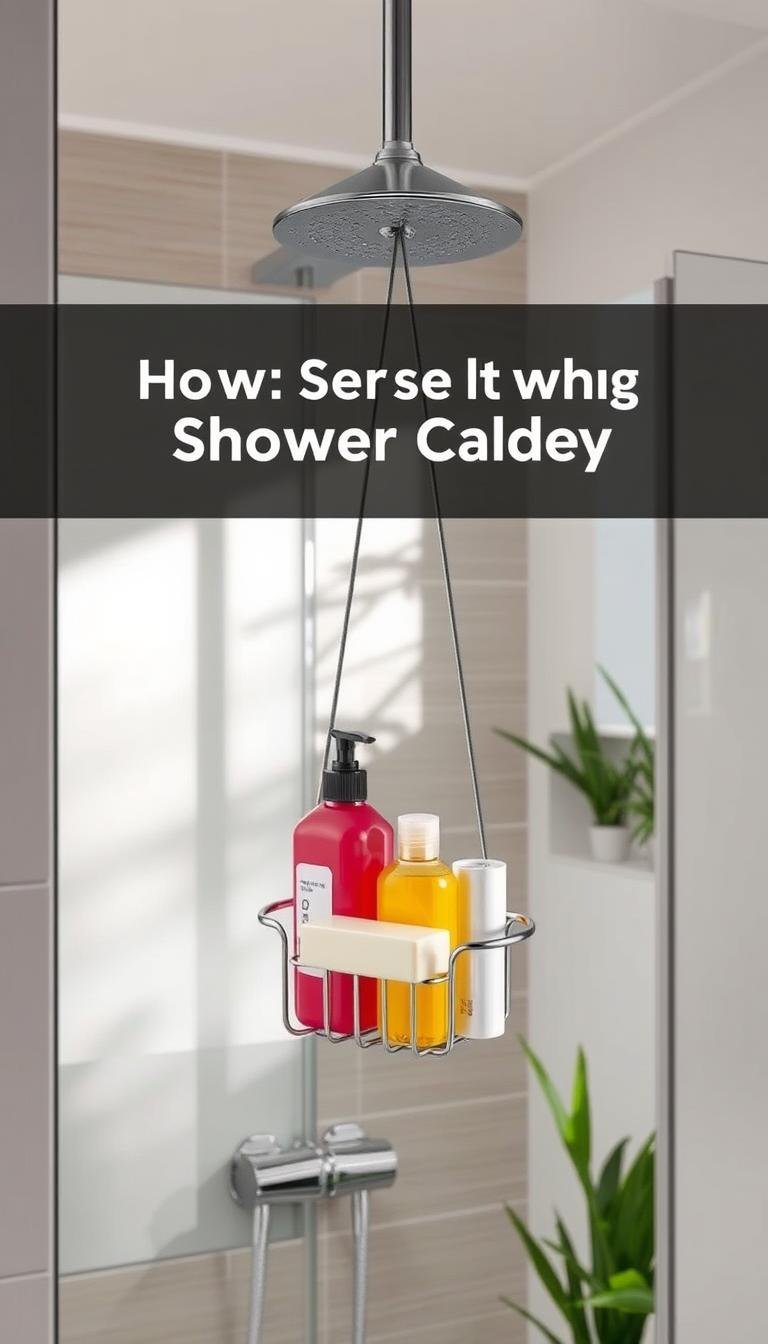
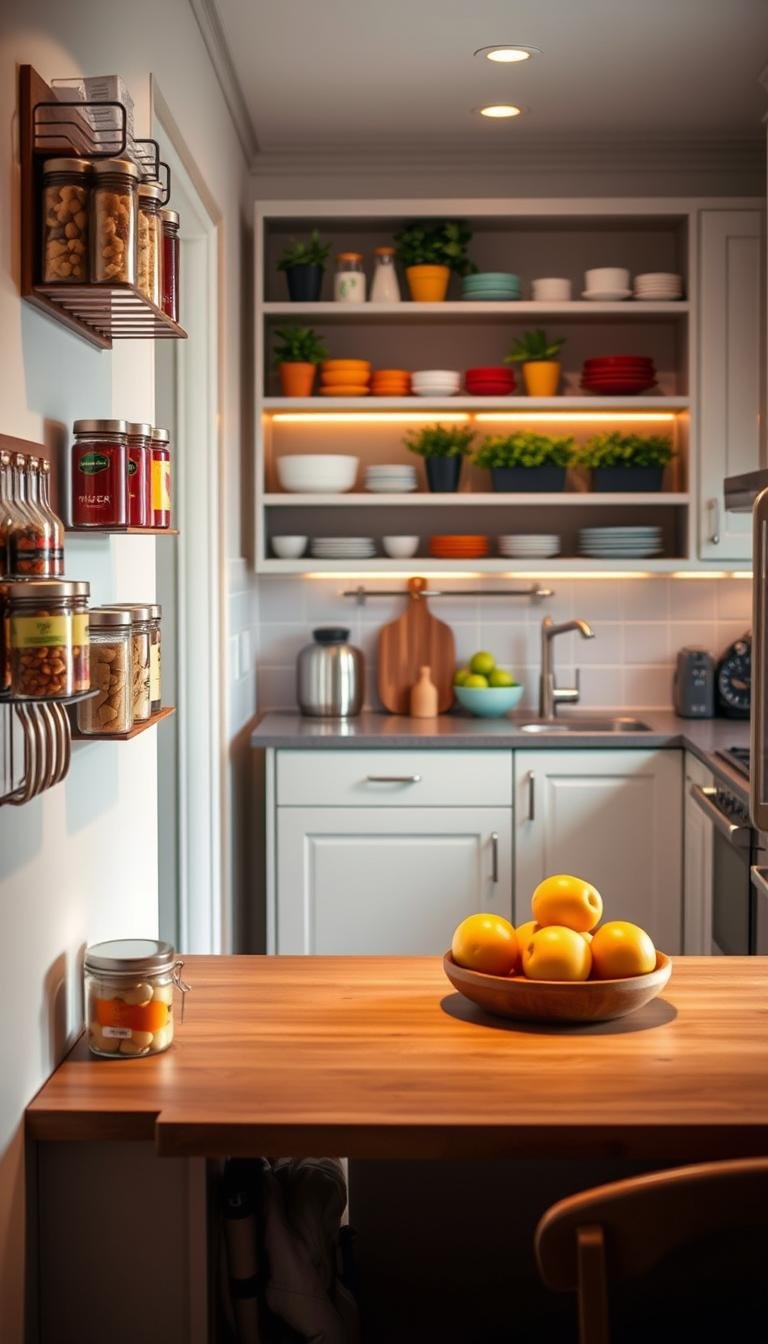
Small Kitchen Storage Solutions
Your day is full. Your home should be a calm place to land. You want a gentler kitchen. You can get that with small, steady changes.
We share soft, simple routines. Start with quick wins. Add light systems that grow with you.
Simple buys made a real difference in a cramped space. Self-adhesive hooks for measuring cups. A 2-tier Lazy Susan to free surfaces. Magnetic strips and in-drawer trays save counter area and protect blades.
We focus on clear sections and short checklists. You will get room-by-room guidance. Daily, weekly, and monthly habits help keep calm without pressure.
Key Takeaways
- Start with one small win. It builds confidence fast.
- Use doors, walls, and vertical space to free counters.
- Try a Lazy Susan, hooks, or risers to improve access.
- Set short daily and weekly routines. Gentle resets keep order.
- Find budget helpers that match your design and flow.
- We offer kitchen storage ideas and room-by-room support.
Calm start: simple wins for a small kitchen
Begin with one tiny, doable action that frees space and calms the day. A five-minute sweep shifts momentum. Clear the sink. Wipe the stove. Breathe.
Mindset: light, gentle, doable. You are beginning. Not behind. Work one surface at a time. One drawer at a time. Set a ten-minute timer. Stop when it rings. Celebrate the win.
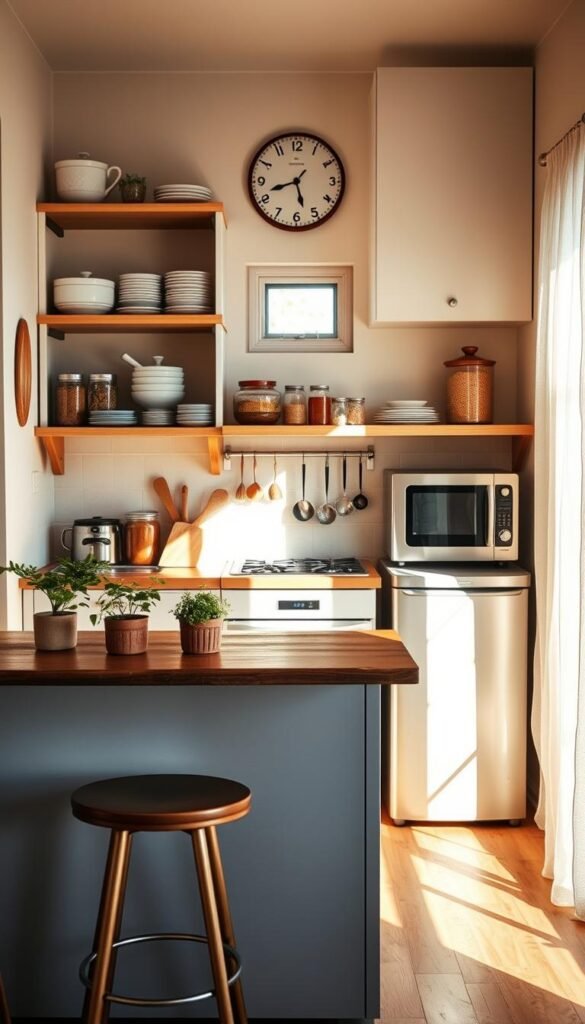
What to gather: a short tools list
- A small box for donate. A bag for trash.
- A microfiber cloth. Four to six self-adhesive labels.
- A tape measure for cabinets. A tiny staging tray for stray items.
Choose two easy ways to begin today. Clear the counter around the coffee spot. Or group cutting items for safe use.
Keep categories simple: Cook, Prep, Serve, Clean. Place items close to where you use them. Write tiny labels. They guide you back on busy days.
Done is better than perfect. Note three ideas you like. Put them on the fridge. We’ll build from there.
Declutter first: a soft, speedy sort
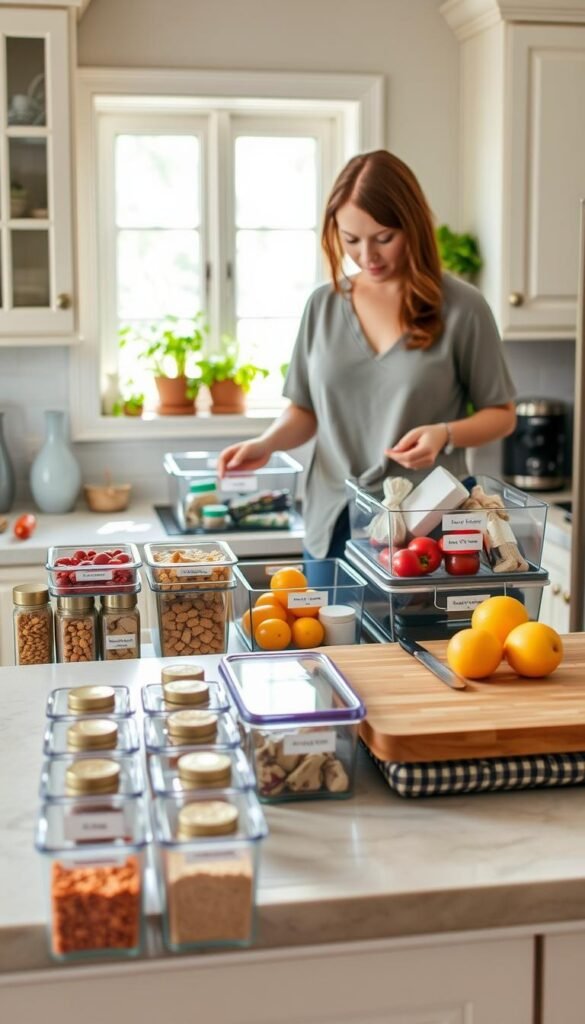
Ten-minute counter clear. Move all non-cooking items off the counter. Create a clear work zone. Touch each item once. Decide in ten seconds. If unsure, keep it for now.
Keep, relocate, donate: the three-bin method
Use three bins. Label them: Keep in kitchen, Relocate, Donate. This makes decisions light and fast. Return Keep items to task zones. Put prep tools by the board. Put cleaning supplies under the sink.
- Move the Relocate bin in one quick house loop at the end of the session.
- Place Donate by the door. When it fills, schedule a drop-off.
- Open two cabinets and one drawer. Remove obvious duplicates. Keep the best one.
- If pantry shelves feel crowded, pull just the front items. Group by type and add small labels.
Notice how much space you freed. That visible gain builds momentum. Repeat this soft cycle twice this week. Short sessions add up to a lot of calm.
Use your doors: hooks, racks, and slim pockets
Make the inside of each door pull its weight for order and calm. This is prime real estate in a small kitchen. A few light changes turn idle panels into quick-access zones.
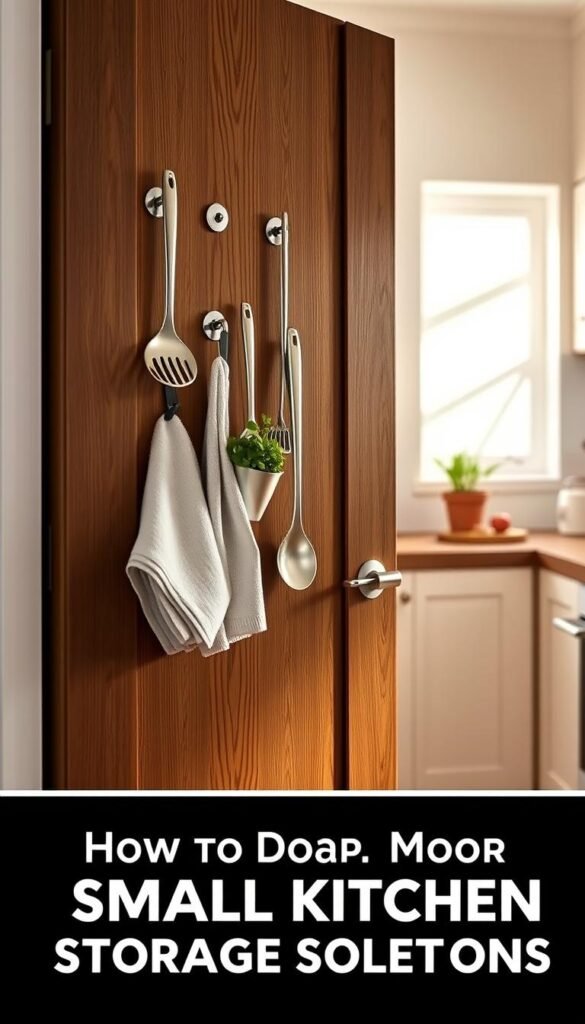
Quick wins: attach self-adhesive hooks for measuring cups and spoons. Add two hooks for oven mitts on the cookware cabinets. Mount a slim over-cabinet rack for wraps and foil. Use metal baskets or slim fabric pockets for spice packets. Open doors gently when items hang to avoid clatter.
Self-adhesive hooks for measuring cups and spoons
Clean the surface with mild soap. Dry fully. Press the hook for 30 seconds. Wait an hour before loading. Keep loads light. These hooks work well for sieves, cups, and spoons. They free drawers and clear counters.
Over-cabinet and inside-door racks for wraps and mitts
Measure before you buy. Choose a low-profile rack that fits your cabinets. Place mitts near the stove. Put wraps and foil by the prep area. Label the zones: Bake, Heat, Measure. Small labels keep everyone on the same page.
| Accessory | Best for | Max load | Tip |
|---|---|---|---|
| Self-adhesive hook | Measuring cups, spoons | 0.5–1 lb | Press firmly. Wait to load. |
| Over-cabinet rack | Wraps, foil, parchment | 1–2 lbs | Measure cabinet thickness first. |
| Metal basket/pocket | Spice packets, stock cubes | 1 lb | Use light items only for safety. |
In five minutes you gain order and calm. These small storage ideas keep counters clear and tools within reach. Try one door today. See how it feels.
Magnetic helpers: strips and bars that free drawers
Mounting a magnetic strip is a quick change that keeps your best tools in sight. It clears counters and removes the need to dig through drawers. This gentle swap makes daily work easier and calmer.
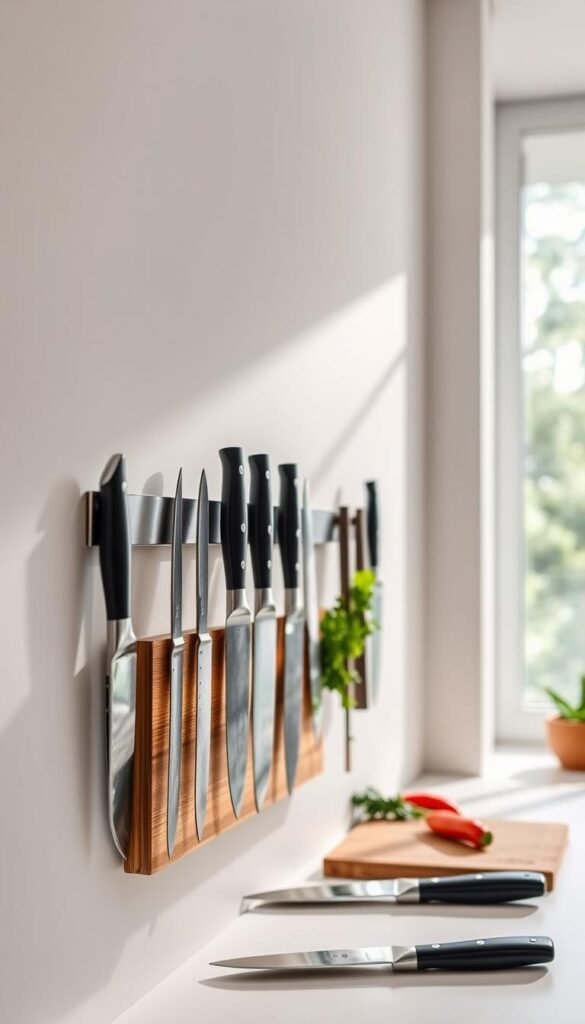
Magnetic knife strip on wall or inside a cabinet door
Mount a wood-faced magnetic knife strip on a clear wall. It saves a drawer and keeps blades visible and safe. Choose a gentle wood style like Benchcrafted Mag-Blok. It comes in 12- and 18-inch lengths and is kind to edges.
If you lack wall space, fit a strip inside a cabinet door when thickness allows. Use shorter screws to protect the door. Place the strip away from heat and splash zones. Keep it at eye or chest height for safe reach.
Metal bar for scissors, measuring spoons, bottle opener
The Modern Innovations Stainless Steel Magnetic Knife Bar works well for non-knife tools. Use it for scissors, measuring cups and spoons, and a corkscrew. A slim metal rack or bar clears a small drawer and keeps utensils organized by task.
- Load heaviest knives at the center and test the hold before adding more tools.
- Wipe strips weekly with a damp cloth and dry well to protect the finish.
- If little hands are present, store knives higher or use in-drawer options in Section 12.
- Group tools by task. Labels above the bar make quick scanning easier.
Design tip: A calm magnetic setup cuts steps while you cook. It returns order to your kitchen with simple, intentional design and a few well-placed racks.
Drawer peace: dividers and shallow organizers that fit
Give one drawer a calm moment and watch the rest fall into place. This is an easy change. It asks for little time. The return is big.
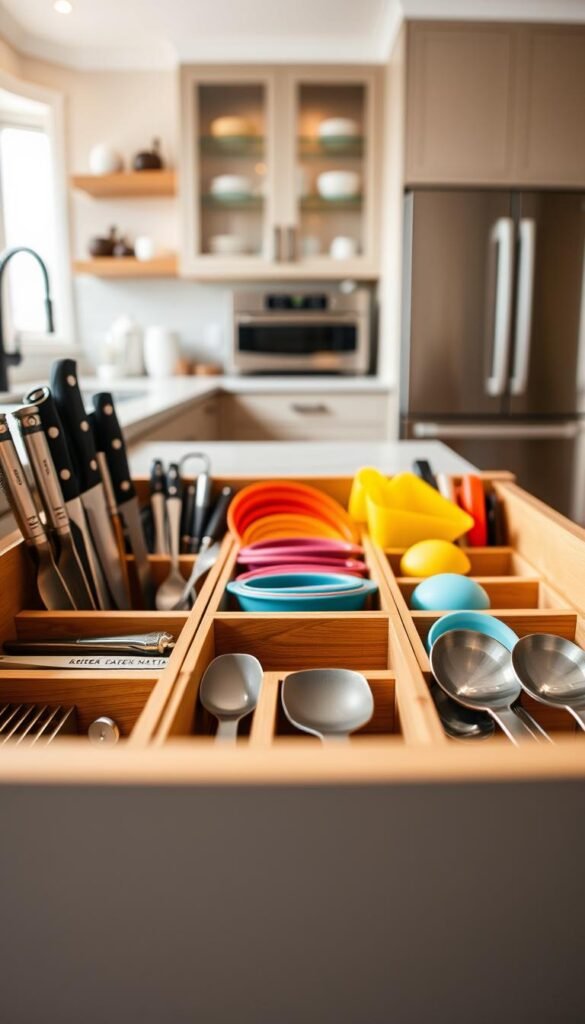
- Empty one drawer. Wipe it clean. Measure length, width, and height.
- Install spring-loaded dividers to create flexible zones. Dream Drawer Organizers fit 12–18″ drawers, are 3″ tall, and stay stable as needs change.
- Add shallow bins for tiny items that wander. InterDesign Linus organizers are 2″ deep, have grippy feet, and work well for clips, tea strainers, and spoons.
Spring-loaded dividers for flexible zones
These dividers let you shift zones without a full redo. They hold firm. They adapt as your tools change.
Shallow bins for small items that wander
Use shallow trays near the front for the things you reach for daily. Keep one spare bin empty to catch new arrivals.
Quick reset: 60-second drawer tidy
Close your eyes. Count to ten. Open and return each item to its zone. This small habit keeps order without pressure.
“Fewer choices make upkeep easy.”
- Build simple zones: Prep, Cook, Serve, Misc.
- Place most-used tools front center. Light-use tools go to the back.
- Label the rim inside the drawer for each zone.
- Avoid overfilling. Leave a finger’s width so drawers glide.
Design tip: One calm drawer changes how you use the whole room. Try this tonight and notice the small, steady gain in storage space and ease.
Utensils made easy: crocks and adjustable trays
Place a modest stoneware crock near your work zone to hold only what you use every day.
One crock, one duty. Choose a Red Hill General Store Stoneware Utensil Holder in 1 pint, 1 quart, or 2 quart. The 1-quart fits most utensils. The 2-quart holds longer tools like ladles and spatulas. Keep the crock close to the stove.
Rotate extras seasonally. Store seldom-used tools in a bin inside cabinets. This keeps counters light in a small kitchen and reduces visual clutter.
Crock on counter for daily-use tools
Add a tiny label inside the crock: “Daily Tools.” It nudges you to keep only essentials—whisk, spatula, tongs, ladle. Wipe it weekly to remove crumbs and oil.
Adjustable utensil tray for narrow drawers
For narrow drawers, use an OXO Good Grips Kitchen Utensil Drawer Organiser. It expands. Dividers move. Use a non-slip mat under the tray so it stays put when the drawer opens.
- Group by shape to prevent jams: long flats together; bulky tools together.
- Hang one tool rail inside a cabinet for overflow.
- Quick care: empty crumbs and wipe once a week.
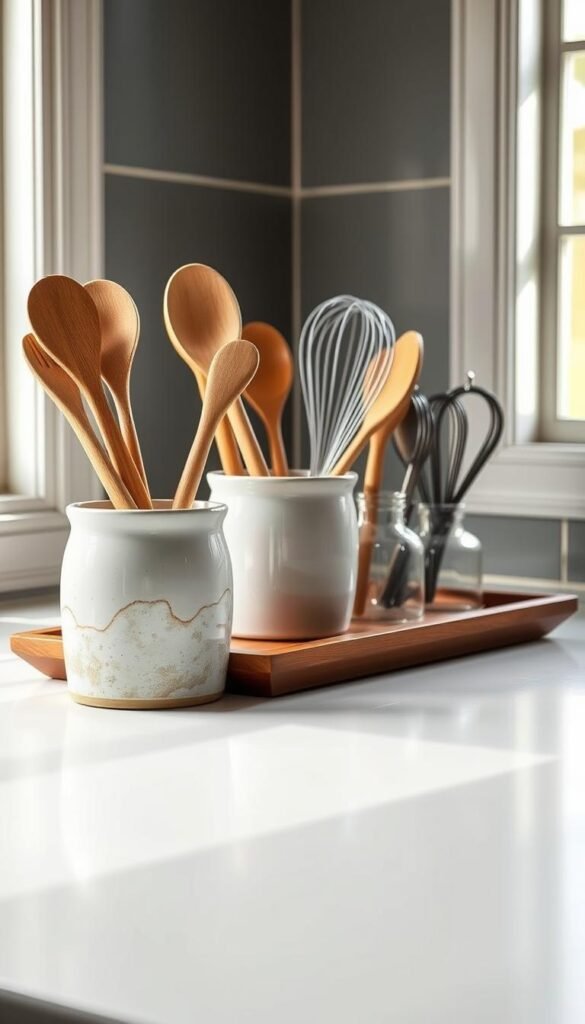
| Item | Best use | Size options | Tip |
|---|---|---|---|
| Stoneware crock | Daily utensils | 1 pint / 1 quart / 2 quart | Place near stove; label “Daily Tools” |
| OXO adjustable tray | Narrow drawers | Expandable to fit variable widths | Use non-slip mat beneath |
| Tool rail (cabinet) | Overflow tools | Single rail | Mount inside cabinet to keep counters clear |
Cabinet lift: shelf risers and under-shelf add-ons
A simple riser and a clipped basket can turn wasted height into usable space. These small moves double vertical capacity without a remodel. They keep counters calm and make daily reach easier.
Measure first. Note cabinet height and width. Make sure a riser or rack fits without scraping doors. The Chrome Extendable Shelf from Dunelm is an affordable pick. It costs about £5 and extends to 61 cm to create a second level.
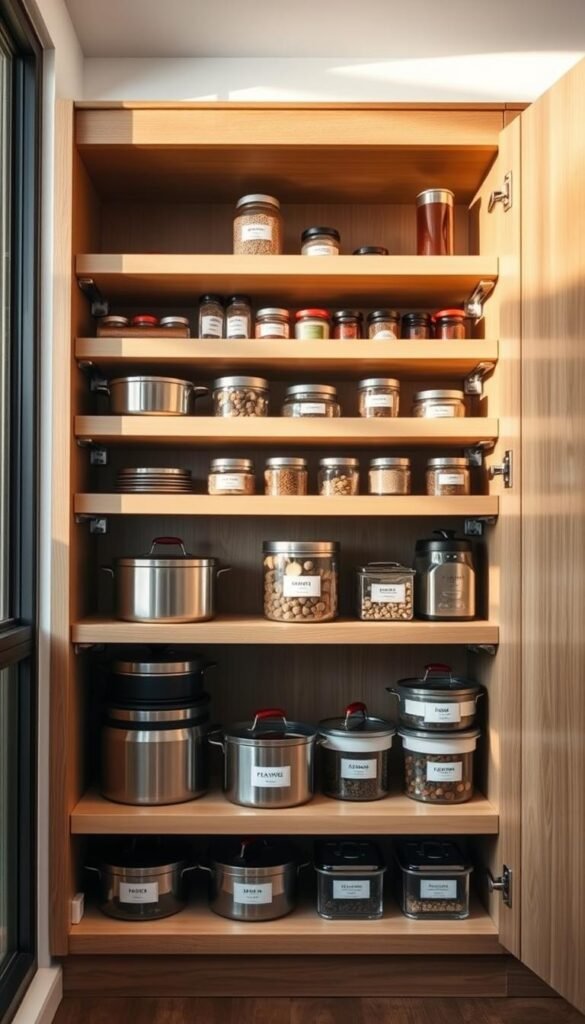
Place dishes and pans on the base. Avoid putting the heaviest pan on the top if the riser feels unstable. Test stability before you load fully.
- Clip a Joseph Joseph Cupboard Store under-shelf basket for packets, stock cubes, and puree sachets.
- Label the basket lip “Packets.” This stops small items from roaming the shelves.
- Leave two fingers of space above the top level so you can reach without knocking the top.
- Use a liner under noisy bowls to soften sound.
- Keep one zone open for growth and review quarterly.
Benefit: These lifts add real space with little expense. They are tidy, reversible, and kind to busy days. Try one cabinet and notice the calm it brings to your kitchen storage and flow.
Small Kitchen Storage Solutions
A simple stack of metal baskets turns a jumble of fruit into clear zones. This one change keeps food visible. It frees the counter. It gives each item a home.
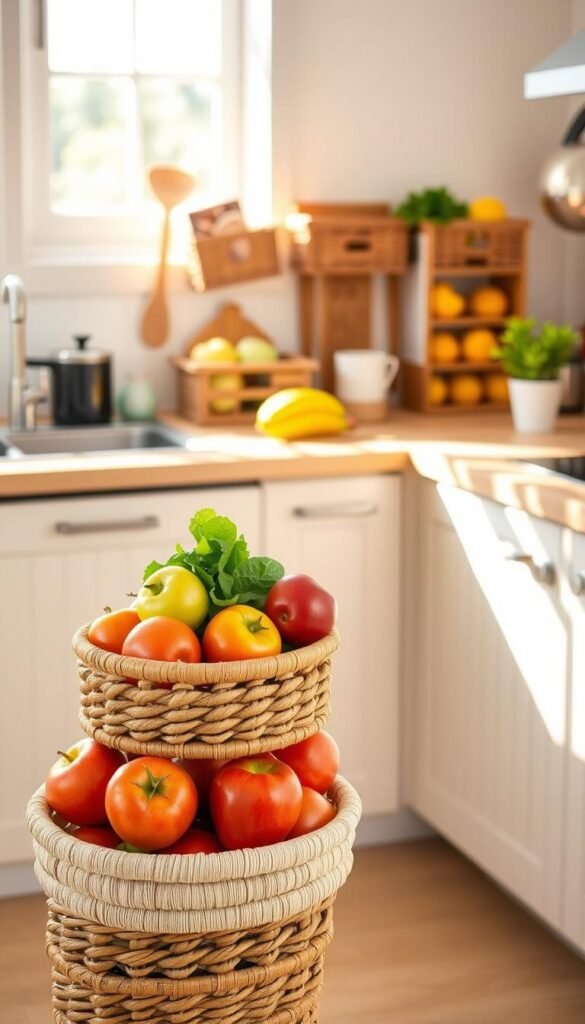
Stackable baskets for fruit and veg
Use stackable metal baskets to create vertical zones for produce. Place potatoes low. Keep bananas and soft fruit on the top tier. Metal allows airflow and gives a clean industrial look.
Label each basket. Try “Onions,” “Citrus,” or “Snacks.” Kids can help restock. Keep the stack near prep space but away from heat and direct sun for longer freshness.
Tea towel holders on the under-sink door
Add self-adhesive tea towel holders inside the under-sink door. Stick them high so towels do not catch when the door closes. Packs of six are affordable and hold well.
Keep only two towels here. One in use. One spare. Extras go to laundry. This small habit keeps your counters clear and towels handy.
- Use baskets to separate onions, potatoes, and bananas.
- Vertical baskets clear the counter and keep produce airy.
- Label baskets for easy refills and quick grabs.
- If you have a lazy susan nearby, use it for jars and sauces and leave baskets for fresh food.
- Wipe baskets weekly to remove crumbs and dust.
| Option | Best for | Placement | Care |
|---|---|---|---|
| Stackable metal basket | Fruit & veg | Near prep shelf or cabinets | Wipe weekly; dry before restocking |
| Mesh basket (open airflow) | Onions, potatoes | Lower shelf or floor of cabinet | Brush out crumbs periodically |
| Adhesive towel holder | Tea towels | Inside under-sink door | Clean surface before mounting; press firmly |
Quick tip: Test door clearance before mounting a tall stack near shallow cabinets. This small solution frees surfaces and brings calm to your small kitchen.
Turntables and lazy susans: spin to see everything
A simple spin can turn a dark pantry corner into a calm, visible zone. A two-tier lazy susan uses vertical space so tall jars and tiny tubes both fit. It brings back-row items forward with one gentle turn.
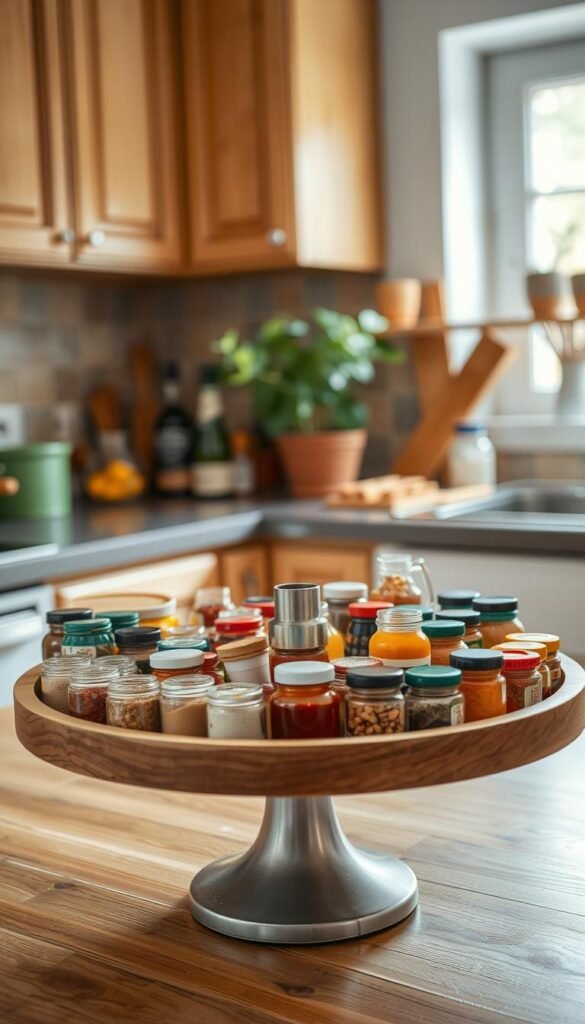
Two-tier turntable for condiments, sauces, and jars
Use the top tier for small bottles, spice jars, and tubes. Place taller bottles on the lower tier. This keeps each shelf neat and layered.
Choose a low-lip model so labels stay visible. Leave a finger’s gap around the turntable so it spins freely and does not scrape the shelf.
Pantry corner fix: one spin per category
Assign one spin per category. Try Breakfast, Asian sauces, Baking. This makes shopping lists and cooking faster.
- Keep label fronts facing out for quick scans while you cook.
- If you place one on the counter, load only daily items to protect calm surfaces.
- Clean monthly. Remove everything, wipe the tray, dry, and reload by category.
| Use | Top tier | Bottom tier |
|---|---|---|
| Condiments & small jars | Spice jars, tubes | Taller bottles, sauces |
| Location tip | Pantry corner or shelf | Counter for daily items |
“A two-tier turntable turns deep shelves into easy access.”
Quick care: Add a small rack for backups nearby and keep the turntable for open stock only. This tiny change gives you calm and saves time in your kitchen.
Pots, pans, and lids: vertical, not piled
A vertical approach frees space and calms daily cooking. Stand pans on edge. Let lids live upright. Little shifts save steps and reduce noise.
Start gentle: install an expandable rack with movable dividers. Set the slot for your widest skillet first. Then move dividers for smaller pieces. This keeps pans and bakeware upright and easy to reach.
Expandable organizer with movable dividers
Place the rack in a lower cabinet near the stove. It cuts steps while you cook. Use felt or cork dots between metal edges to soften sound and protect finishes.
Quick lid access near the stove
Add a slim lid rack to the door or side wall. Keep glass lids upright for a safe, quick grab. Store one plate-style tray upright with bakeware if it fits.
“Vertical lines keep edges safe and make the pan you need the one you see.”
- Stop stacking pans. Stand them in slots instead.
- Label the shelf edge: Fry, Sauce, Bake.
- Do a ten-second reset after dishes. Slide each piece back into its home.
| Item | Best spot | Tip |
|---|---|---|
| Expandable pan rack | Lower cabinet near stove | Adjust dividers to fit widest pans first |
| Slim lid rack | Cabinet door or side wall | Keep lids vertical; use cork dots for glass |
| Plate-style tray | With bakeware upright | Store one plate upright to protect edges |
Knife storage options for every space
A calm knife setup keeps blades protected and your work surface clear. Choose a simple home for each blade. This lowers risk and speeds cooking.
Wall strip: visible, gentle, and space-saving
Best when you have open wall near prep. The Benchcrafted Mag-Blok comes in 12″ and 18″ lengths. It uses strong magnets in wood. That is kinder to edges than raw metal.
Install away from heat and splash. Use proper anchors for drywall. Or fit short screws inside cabinet doors to protect panels.
In-drawer tray and blade guards
Great for drawers that close neatly. The Wüsthof 7-Slot In-Drawer Knife Tray measures 4¼” wide by 17″ long. It needs at least 3¼” drawer depth so handles clear when closed.
If depth is tight, add Messermeister Edge-Guard blade covers. Pair guards with an InterDesign Linus shallow bin. The bin keeps covered knives from sliding and mixes less with other utensils.
Safety first: clear zones and easy reach
Keep a safety zone. No reaching over flames. No crowding near the sink. Store only sharp utensils here.
Wipe and dry blades before storing. Dry strips and trays too. Teach the household the return path. Tips down in trays. Flat on the strip. Guards on before the drawer closes.
“The right storage keeps knives safe, reachable, and out of your counter path.”
| Option | When to use | Key dimension / fit | Quick tip |
|---|---|---|---|
| Benchcrafted Mag-Blok (wood) | Wall or inside cabinet door | 12″ or 18″ length | Mount away from splash; use anchors |
| Wüsthof 7-Slot In-Drawer Tray | Deep, wide drawer | 4¼” × 17″; needs ≥3¼” depth | Check drawer clearances before buying |
| Messermeister Edge-Guard + Linus bin | Tight spaces or shared drawers | Guards fit knives; shallow bin contains them | Cover blades first; corral in a shallow tray |
Open shelves and pegboards: airy storage that stays neat
Open shelves and a tidy pegboard can make daily work feel lighter and clearer. They cut visual bulk and keep what you use within reach. This approach works well in busy kitchen corners. It feels calm. It looks open.
Float a single shelf for daily glasses and bowls
Install one narrow shelf for everyday cups and bowls. Keep stacks low. Leave space between items so the shelf breathes.
Mount at eye to chest height. This makes grabbing easy and safe. Use matching jars or a simple color story to keep the shelf calm and tidy.
Pegboard for utensils and small pots
Mount a pegboard near your prep zone. Hang spatulas, ladles, and one or two small pots on moveable pegs. Group tools by task so your hands move with purpose.
- Add one small rack or hook under the shelf for a towel or ladle. Avoid crowding.
- Use removable anchors if you rent. Safety first.
- Wipe shelves weekly. Cull extras monthly to keep space light.
“An airy shelf and a simple pegboard give you visible calm and clear function.”
These kitchen design ideas give you more space without heavy cabinets. They are perfect for small kitchens and for anyone who prefers a gentle, open look. Try one shelf and a pegboard. See how much quieter your counters feel.
Ceiling rails and wall racks: go vertical and keep counters clear
A hanging rod can give you reachable tools without crowding surfaces. It creates vertical space and keeps the counter clear. You get calm and quick access.
Hang a ceiling rail over an island to store a few daily pans or tools. Keep loads light for safety. Two or three pans is enough. Match the metal finish to nearby appliances for a cohesive look.
Slim rail above the backsplash for ladles and spatulas
Mount a slim wall rack above the backsplash to keep ladles and spatulas within reach. Leave at least 18 inches from the cooktop to the lowest tool. Use S-hooks so you can move items easily as your cooking shifts.
- If cabinets are low, choose a short rail section to avoid clutter in small kitchens.
- Group tools by task: stir tools together; serve tools together.
- Wipe rails weekly. Steam and splatter collect quickly.
| Fit | Best use | Material tip |
|---|---|---|
| Ceiling rail | Daily pans, hanging pots | Match metal finish to appliances |
| Backsplash rack | Utensils, ladles, spatulas | Slim profile; use S-hooks |
| Short rail section | Low cabinets or tight space | Prevents visual clutter in small kitchens |
Room-by-room examples: quick systems that fit
Create one clear landing spot and watch the rest of the day flow.
These brief examples show gentle ways to tame everyday chaos. Use clear bins, labels, and one tidy habit per area. Take one small step. Build on it when it feels right.
Kitchen and pantry: categories, labels, clear bins
Kitchen: Group like items in clear bins on shelves and in lower cabinets. Label front edges: Bake, Breakfast, Snacks. Keep daily tools by the stove. Use one shallow tray for oils. Leave counter space around the sink clear.
Pantry: Assign shelves by type. Grains, cans, baking. Use sliding racks, a pull-out larder, or a tall roll-out in narrow gaps near the fridge. Place heavy food on lower shelves and light boxes up high.
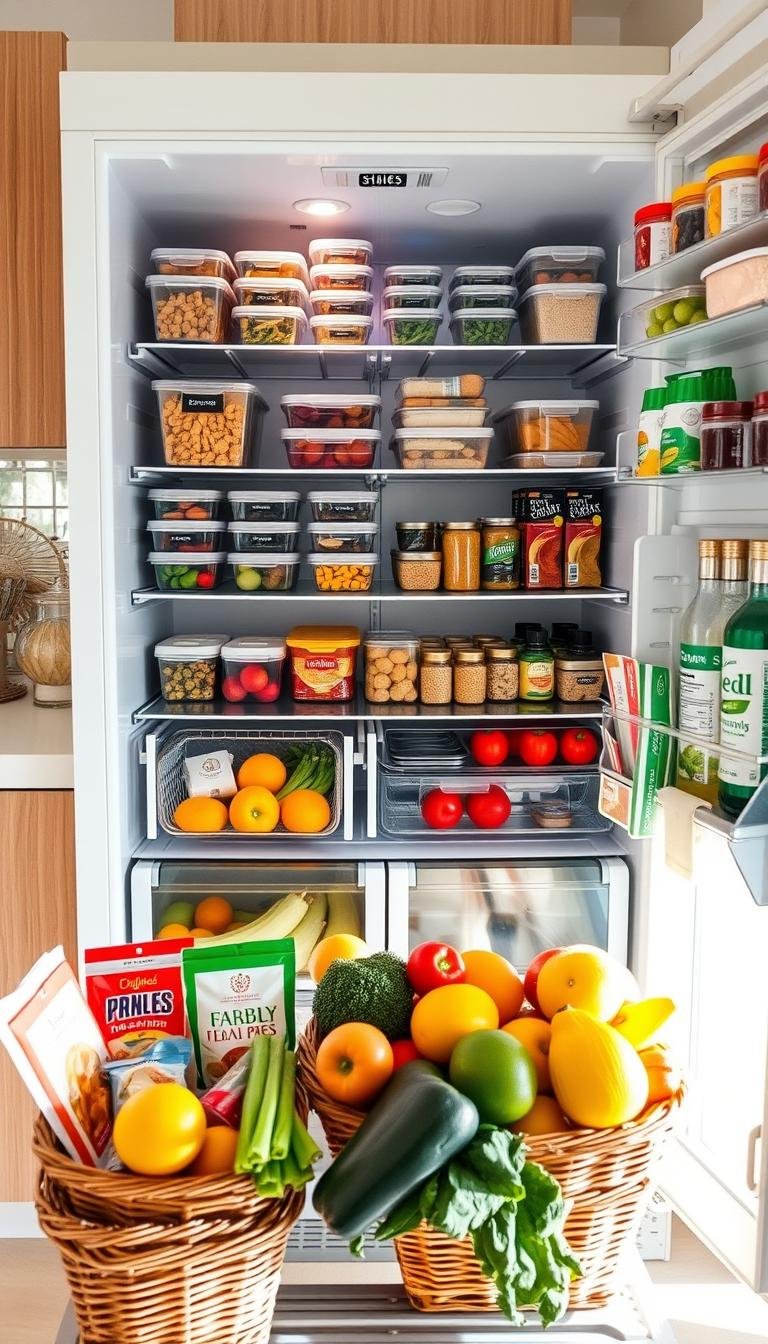
Fridge: zones for produce, leftovers, snacks
Set clear fridge zones and reduce rummaging. Store produce in clear bins. Keep leftovers in one see-through bin with date labels. Put snacks in a front bin so they stay visible and do not crowd meals.
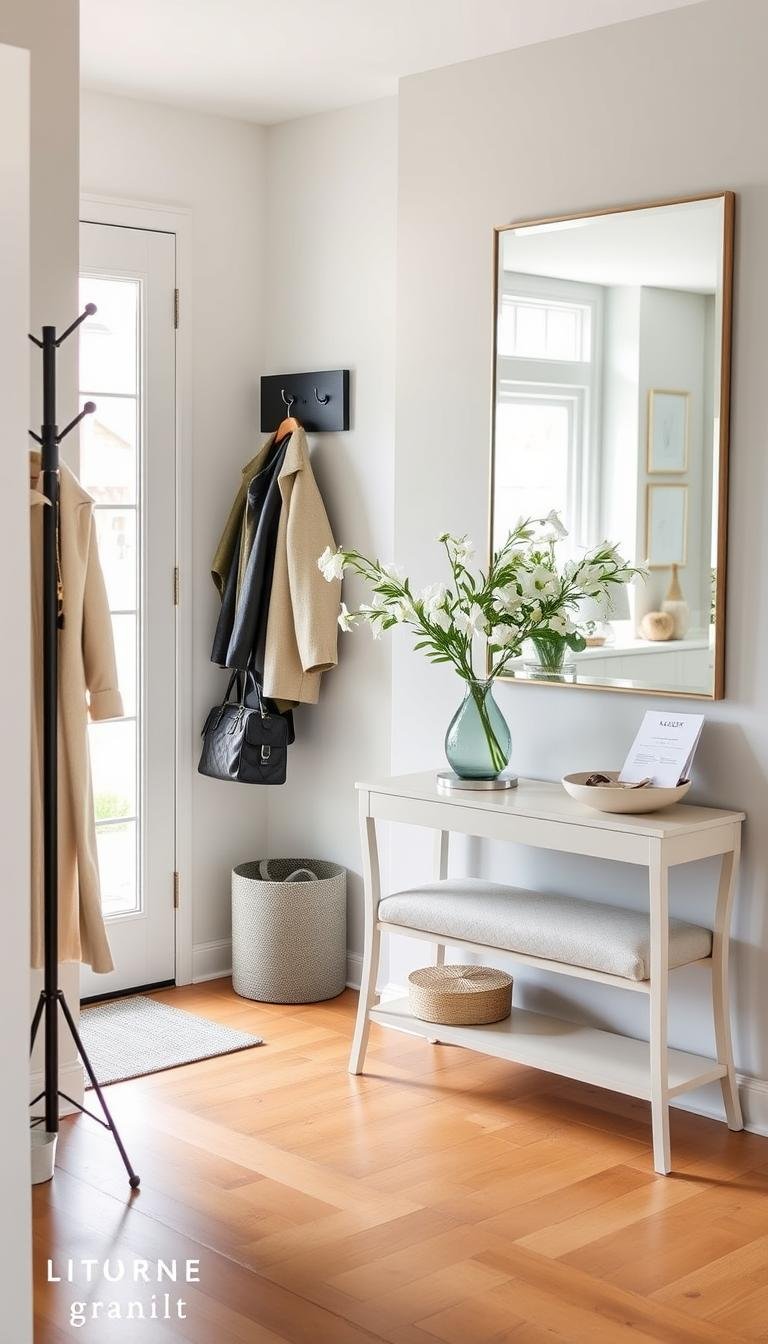
Entryway drop spot: tray, hooks, and a small basket
Make a calm landing area. Use a small tray for mail. Add two hooks for daily bags and keys. Place one small basket under a bench for gloves and scarves. This keeps items from spilling into other rooms.
- Pots and pans: Stand them vertical in a rack. Store lids in a nearby divider. Keep heavy pieces low for safe reach.
- Drawers: One for prep tools. One for serve. Use an adjustable drawer tray in narrow spaces. Add a tiny bin for odd items.
- Bathroom: One clear bin per person under the sink. Label each. A slim door rack holds hair tools. Leave only daily items out.
- Bedroom: A catchall tray on the dresser. One small basket for bedtime reads. Keep nightstands clear to calm the mind.
- Closet: Use shelf risers for sweaters. One basket for accessories. Add hooks inside the door for hats or scarves.
“Small changes in each room make daily life quieter and kinder.”
| Area | Quick fix | Why it helps |
|---|---|---|
| Kitchen | Clear bins + labels on shelves | Makes cooking faster; keeps counter space free |
| Pantry | Pull-out or rolling slim unit | Uses narrow gaps; reduces bending for heavy items |
| Fridge | See-through bins with date labels | Reduces waste; speeds meal prep |
Gentle checklist: Label one shelf today. Add a clear bin to one cabinet. Put a tray in the entryway. Small acts repeat. They bring calm.
Gentle routines: daily, weekly, monthly
A few short habits can protect your time and your peace each day. These are small acts you can keep. They are kind to your schedule. They ask only minutes.
Daily: five-minute counter reset
Five minutes. Clear the counter. Return three things to their homes. Load or run the dishwasher. Wipe the sink. Stop.
Two minutes. Reset the coffee or tea zone. Restock mugs, spoons, and filters. Calm mornings start here.
Weekly: drawer and fridge sweep
Ten minutes. Do a quick drawer sweep. Remove strays. Realign dividers. Done.
Ten minutes. Fridge sweep. Toss old food. Group leftovers in one bin. Wipe one shelf only. Enough.
Five minutes. Spin the lazy susan. Wipe, dry, and reload by category. Small actions preserve storage space.
Monthly: donate doubles, refine one cabinet
Fifteen minutes. Donate doubles. Choose one cabinet to refine. Remove a category you no longer need.
Ten minutes. Review labels. Update any that fade. Labels save time every day.
If life is full, pick one routine. Any one. Consistency matters more than length.
| Rhythm | Action | Time |
|---|---|---|
| Daily | Counter reset; coffee zone check | 2–5 minutes |
| Weekly | Drawer and fridge sweep; turntables tidy | 5–10 minutes |
| Monthly | Donate doubles; refine one cabinet; refresh labels | 10–15 minutes |
“The solution is consistency, not length.”
Conclusion
One tiny change can free a surprising amount of counter and cupboard space. Pick one clear action. Do it now.
You do not need more time. You need fewer steps. Use a door with a hook or a rack. Stand pans upright. Add one turntable. These simple ways create real space and calm.
Choose one drawer today. Add a divider or a shallow bin. Close it with a smile. Do a five-minute counter reset tonight. Tomorrow will feel easier.
Return to the kitchen storage ideas you liked. Put them in place one at a time. Peace over perfection. Let your home shift with tiny, kind choices.
FAQ
How do I begin when my space feels crowded and overwhelming?
Start gently. Set a timer for ten minutes and clear a single counter zone. Remove items that don’t belong. Keep only daily essentials. This small win builds calm and makes the next step easier.
What simple tools should I gather before organizing?
Collect a trash bag, a box for donations, a small basket for items to relocate, and labels. Add one or two shallow bins and a pair of adhesive hooks. These basics keep the process quick and peaceful.
Can I make a big impact in ten minutes?
Yes. A ten-minute counter clear removes visual clutter. Put away extra appliances. Stack or stash loose items in a basket. Wipe the surface. You’ll free space and calm your mind.
How does the three-bin method work?
Create three piles: Keep, Relocate, Donate. Handle each item once. Ask if it’s used weekly. If yes, keep. If used elsewhere, relocate. If unused or duplicate, donate. Finish with labeled bins for clarity.
What are easy door-mounted options for cups and utensils?
Use self-adhesive hooks for measuring cups and spoons. Install over-cabinet racks for wraps and oven mitts. Slim fabric pockets work well for plastic lids or small tools.
How can magnetic strips help in tight spaces?
Magnetic knife strips free drawer space and keep blades visible. A metal bar can hold scissors, measuring spoons, or a bottle opener. Mount inside a cabinet door if wall space is limited.
What drawer organizers work best for narrow drawers?
Spring-loaded dividers create flexible zones without cutting. Shallow bins corral small items like clips and rubber bands. An adjustable utensil tray helps narrow drawers stay tidy.
Any quick tricks to keep drawers organized daily?
Do a 60-second reset each night. Return stray items to their bins. Close dividers and straighten tools. Small daily habits prevent overwhelm.
Should I keep a crock on the counter?
Yes, for daily-use utensils. A single crock holds spatulas, wooden spoons, and tongs. It saves drawer rummaging and feels calm when it’s not overcrowded.
How do shelf risers help with plates and pans?
Extendable shelf risers double usable height. They let you stack plates and still reach the bottom set. Use risers for pans or bowls to avoid piles that scratch and topple.
Are under-shelf baskets worth adding?
Absolutely. They tuck beneath a shelf for packets, small snacks, or tea. They’re gentle on space and make small items visible and reachable.
Which baskets are best for produce when space is tight?
Stackable wire or woven baskets keep fruit and veg separated. They allow air flow and free counter real estate. Choose sizes that fit your counter or pantry shelf.
How can a two-tier turntable improve my pantry?
A two-tier turntable lets you see condiments and jars at a glance. Group like items by type. Spin to reach the back. It saves time and reduces frantic searching.
What’s the easiest way to store lids near the stove?
Install simple lid slots or a slim rack beside the stove. Keep lids upright. This saves time when cooking and prevents teetering stacks in a cabinet.
How do I store knives safely with limited room?
Choose one option: a magnetic wall strip, an in-drawer tray, or blade guards in a drawer. Keep the storage zone clear of kids and high traffic. Safety matters more than matching aesthetics.
Are open shelves practical in a small home?
Yes, when kept simple. Float a single shelf for daily glasses and bowls. Limit items to a few matching pieces. Open shelves make things feel airy and encourage daily tidies.
Can ceiling rails really clear counters?
They can. A ceiling-hung rod over an island or a slim rail above the backsplash keeps ladles and spatulas within reach. It moves weight off counters and adds gentle order.
How should I organize a small pantry and fridge for ease?
Use categories and clear bins. Label each bin. In the fridge, create zones for produce, leftovers, and snacks. Clear containers show content and reduce waste.
What routines keep a compact space calm over time?
Keep it gentle. Daily: five-minute counter reset. Weekly: sweep drawers and the fridge. Monthly: donate extras and refine one cabinet. Small, consistent steps keep clutter from growing.