How to Organize Mail & Incoming Papers
You are busy. You want a calm home and clear surfaces. This short guide gives soft, simple steps you can use today. It focuses on tiny routines. Small wins add up.
Set one small station. A file organizer, a shredder, and trash and recycling bins handle the flow. Place it by the door or in a quiet corner. This saves you time each day.
Use a gentle daily touch. Sort fast. Keep a weekly sweep and a light monthly check. Add services that cut inflow. Try USPS Informed Delivery and delivery alerts from FedEx Delivery Manager or UPS My Choice. Opt out of many ads with DMAchoice and OptOutPrescreen.
No guilt. No overwhelm. The steps are simple. The tools are minimal. You will find quick wins and space to breathe. Your paperwork will stop piling up and your home will feel lighter.
Key Takeaways
- Make one small station to catch and sort mail fast.
- Use a file organizer, shredder, and bins to control clutter.
- Daily touches, a weekly sweep, and a monthly check keep you steady.
- Use free delivery alerts and opt-out services to reduce inflow.
- Small routines save time and make home care feel calm.
Start Simple: Clear a Spot and Choose Your Flow
Pick one tiny spot that will catch the flow every day. A corner of the counter. A shelf by the door. A calm place where mail and papers can land and be handled.
Keep the setup minimal. Clear that small space today. Make it your processing area. When items arrive, drop them there right away.
Choose a flow you can repeat each day. Arrive. Sort. Act. File. One simple step at a time. This steady habit cuts the pile and the stress.

- Keep only essentials at arm’s reach. Letter opener, pen, and a tiny notepad free the counter.
- Touch each piece once when possible. Recycle junk right away. Move action items to a short list or folder.
- Stand while you sort. It keeps sessions brief and focused.
- End with a quick reset. Wipe the surface. Return the pen. Close the loop so tomorrow feels easy.
Small daily steps keep you steady. A tiny space and a short routine help you stay top of it. Do this one step each day. You’ll see the calm grow.
Create a Mail Station That Works Every Day
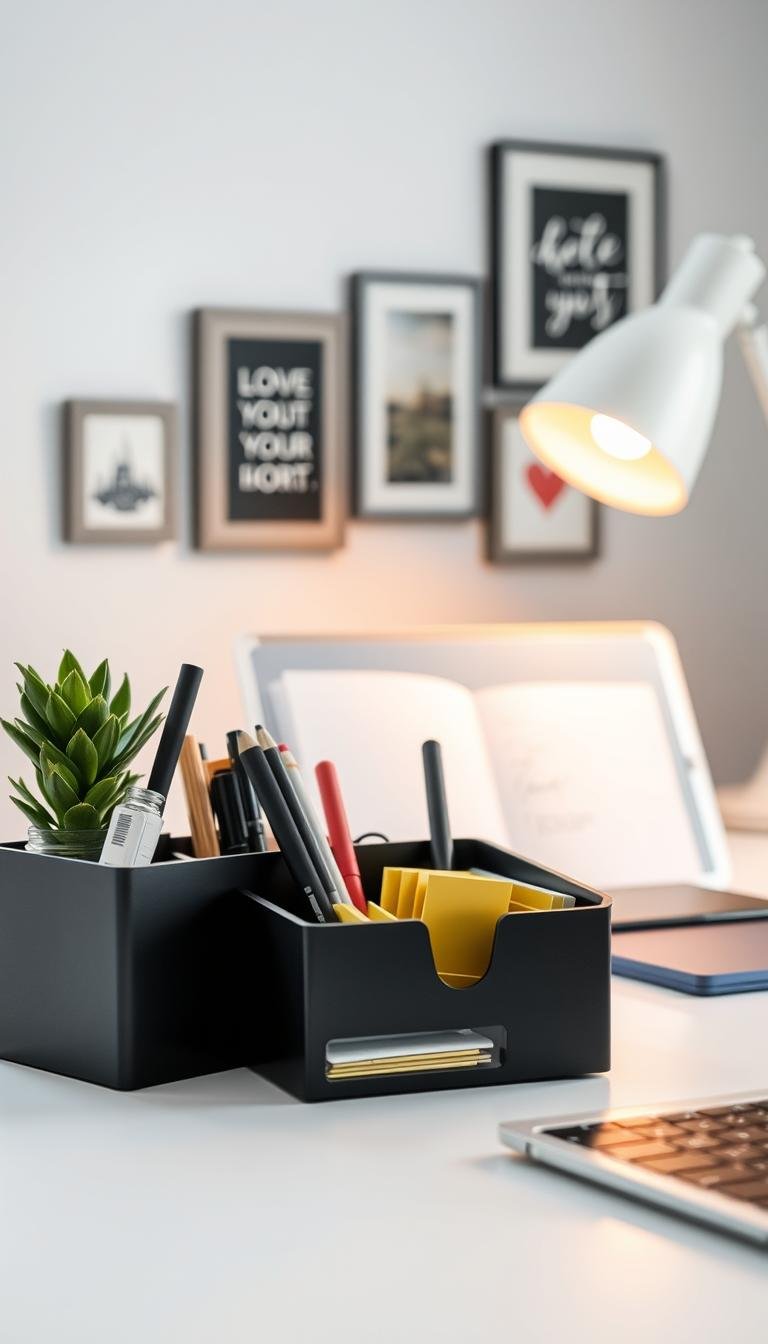
Set a simple hub. Place a clear acrylic desktop file or wall pocket where you already pass. Near the door. At the edge of the kitchen. Beside your home office desk. This keeps decisions quick.
Keep tools few and labeled. A slim organizer, a compact shredder, and two labeled bins for trash and recycling are enough. Labels like “To Pay,” “To Do,” and “Recycle” make choices obvious. Plug the shredder in so sensitive items get handled right away.
Wall pockets can mount inside a pantry or closet door if space is tight. USPS Informed Delivery helps you see what arrives before you sort. That small preview saves time.
- Gather three core items: wall file or desktop organizer, shredder, two slim bins.
- Place the station where you pass daily: door, kitchen, or office desk.
- Label each spot. Keep it calm. Keep it used.
| Tool | Best for | Why it helps |
|---|---|---|
| Clear acrylic file | Desktop or wall | Visible slots keep tasks obvious and quick to sort |
| Shredder | Near station | Fast secure discard for sensitive items |
| Slim bins (trash & recycling) | Under counter or beside desk | Save floor space and invite quick disposal |
Organize Mail & Incoming Papers with a Five-File System
A simple five-file system removes guesswork and saves time. Use five action categories so every sheet has a next step.
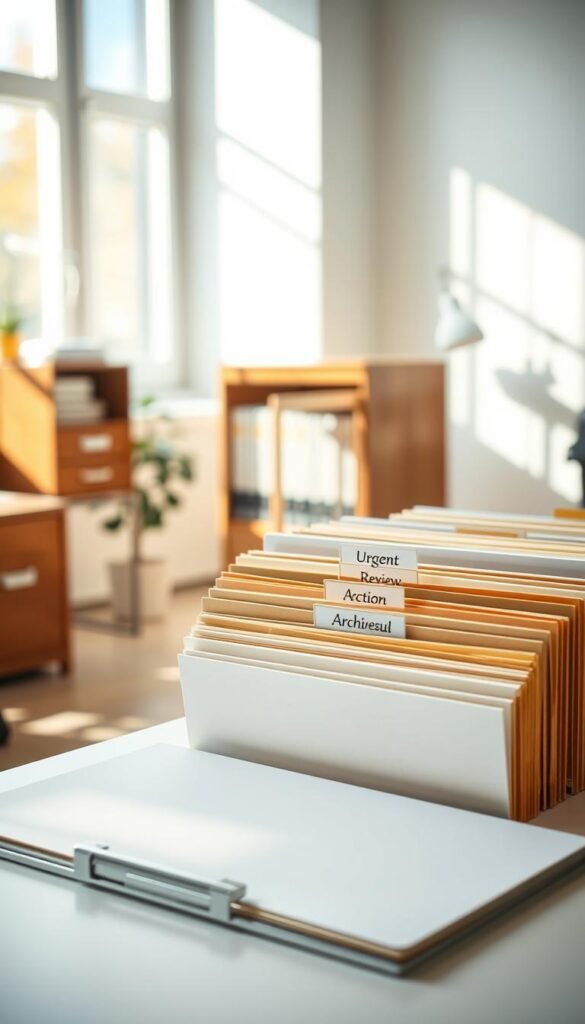
Set up five action folders: To Pay, To Do, To Review, To Scan, To File. Label them clearly. Keep them where you pass each day.
Add optional people folders for quick sorting: Kids, Partner, Household. These keep personal items easy to find and reduce re-sorting later.
Daily habit: sort in under five minutes
Drop new items into the right folder. Decide fast. No second pile. This small daily step keeps the stack tiny.
Weekly batch: pay, process, scan, then shred
Once a week pull To Pay and To Do together. Pay bills. Sign forms. Return calls. Then scan needed pages.
- Scan in batches for speed. Then shred sensitive pages.
- File finished items immediately. A few minutes now saves time later.
- Keep labels large and calm so placement is obvious.
Reduce Paper Inflow for Less Clutter
Reduce what arrives and you reduce how much you must sort. Small source fixes save time each week. They keep counters calm. They cut the small tasks that add up.
Stop junk mail and prescreened offers with a few clicks. Register with DMAchoice to cut advertising for a small fee. Use OptOutPrescreen to block most credit and credit card offers from major bureaus.
Go paperless for utilities, banks, and statements. Most companies keep records online. That means fewer envelopes in your box and less paper clutter at home.
Use USPS Informed Delivery for a free daily preview. It helps you plan what to recycle and what to keep. Unsubscribe from catalogs you don’t use. Small trims add up fast.
| Method | What to do | Immediate impact |
|---|---|---|
| DMAchoice | Register online to cut ad catalogs (small fee) | Fewer promotional envelopes each day |
| OptOutPrescreen | Opt out of prescreened offers for credit & loans | Less credit card and loan offer clutter |
| Paperless & Informed Delivery | Switch e-statements; enable USPS preview emails | Plan recycling and keep only essentials |
Daily, Weekly, and Monthly Routines That Keep You Current
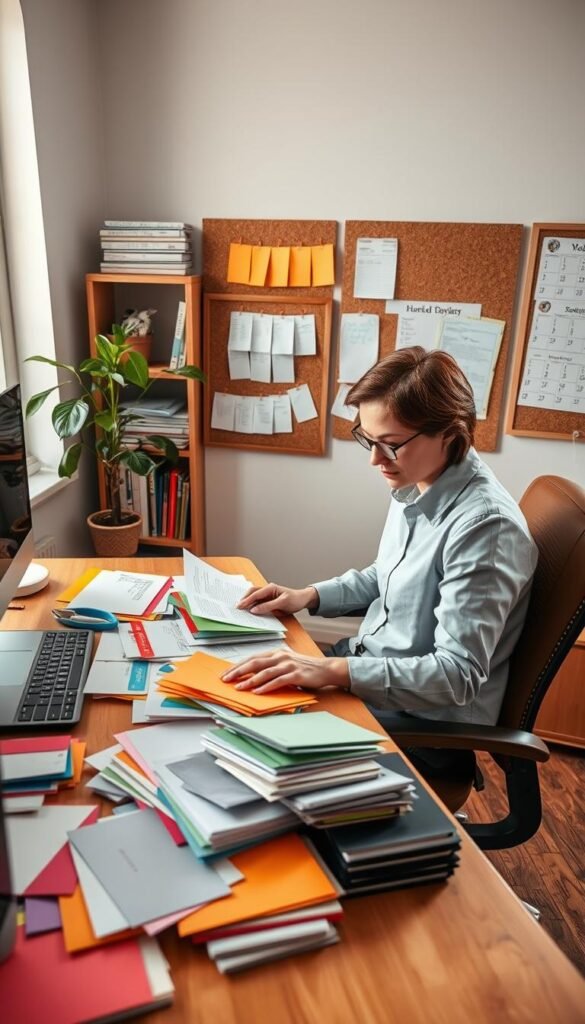
Tiny daily steps make a big difference to how your home feels. These habits are short. They are kind to your schedule. They keep tasks from piling up.
Daily
One minute each day. Empty the mailbox. Recycle obvious junk. Drop the rest into your five folders.
Quick check. Open the To Pay folder. Star any urgent bills. Pick one small action you can finish now.
Weekly
One short session each week. Set aside 15–20 minutes. Batch payments on set days like the 1st and 15th if that works for you.
Pay bills. Process forms. Scan what matters. Shred leftover sensitive pages. Empty the shred bin and take out recycling.
Monthly
Monthly tidy-up. Archive the past month’s receipts. Review your file box for items to move or toss.
Reset labels that don’t fit. Tweak the system so it takes less time next month.
- Daily in one minute: empty, recycle, sort.
- Daily quick check: glance at To Pay; mark urgent bills.
- Weekly batch: pay, scan, shred; 15–20 minutes.
- Monthly tidy: archive receipts; review files; refresh labels.
Small, steady steps win. A gentle rhythm saves you time and keeps stress low. Do a little each day, a focused session each week, and a thoughtful reset each month.
Room-by-Room Examples for Easy Placement
Find one spot in each room that naturally catches what arrives. This keeps little stacks from spreading. Small tools close to habit make the system gentle and reliable.
Entryway
Mount a wall file pocket by the door for quick drops. Place a small bin beneath for fast recycling. This saves your counter and gives everyone a clear spot.
Kitchen
Keep a letter tray on the counter edge. Tuck a two-pocket folder in a drawer for action items. Store a recycle bin under the sink to hide and hold waste.
Home office
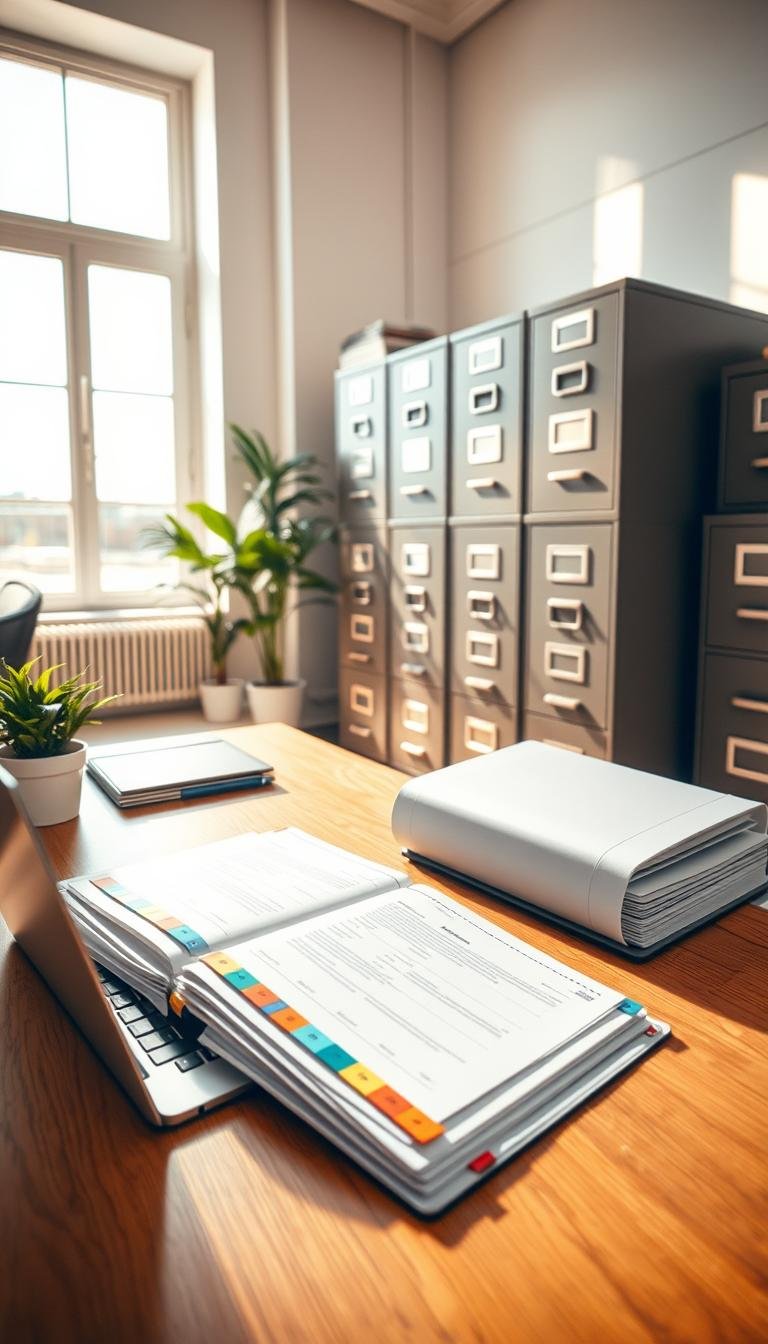
Use a lidded file box or a small filing cabinet. Add a desktop organizer on your desk for current items. Stacked drawers work well in a closet if space is tight.
Bedroom, Pantry, and Small Spaces
Place a slim bin in the closet for occasional items. Mount a wall pocket inside a pantry door for coupons and menus. Choose vertical tools like magazine holders to save floor space.
Family zones
Assign one spot per person. Labels help handoffs. This keeps items from wandering and makes routines simpler.
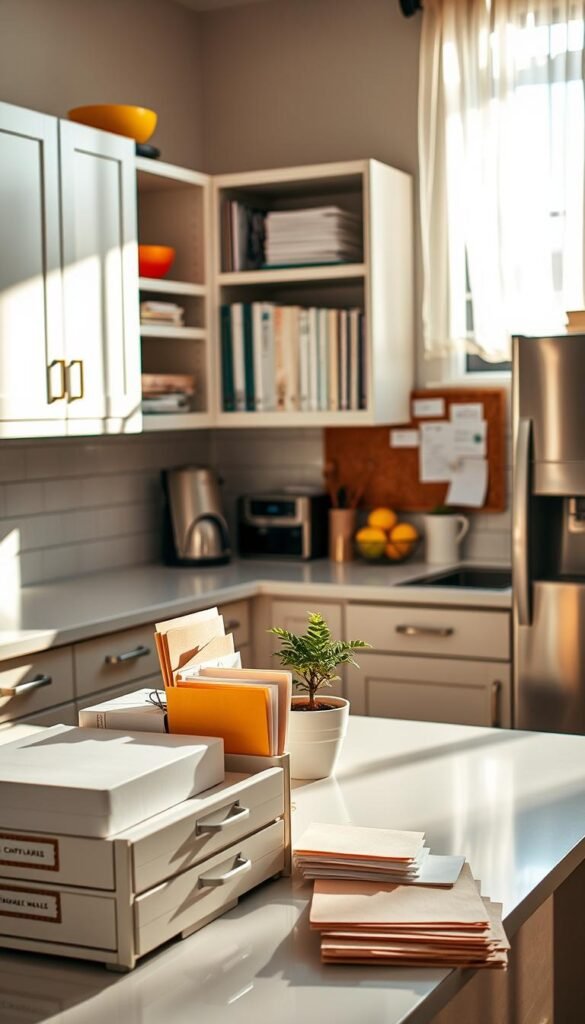
| Room | Tool | Why it helps |
|---|---|---|
| Entryway | Wall file pocket + small bin | Quick drops; immediate recycling keeps counters clear |
| Kitchen | Letter tray + under-sink bin | Counter access and hidden recycling for tidy space |
| Home office | Lidded file box + desktop organizer | Secure storage and visible current items on desk |
| Small spaces | Magazine holders, slim bins | Vertical storage saves space and stays out of sight |
Keep Documents Safe and Know What to Keep
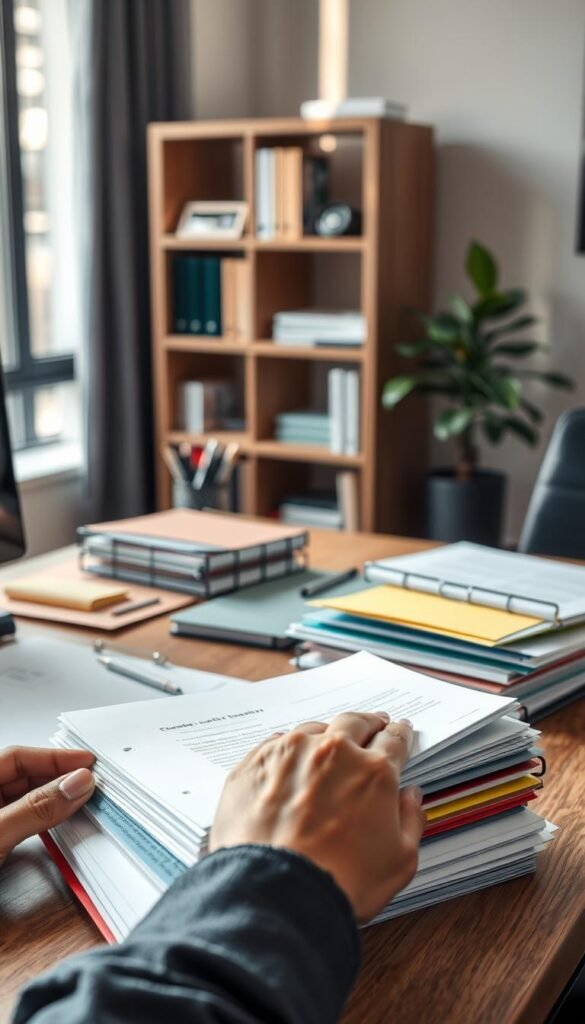
Keep a small, secure spot for irreplaceable papers so you can breathe easier. A clear habit removes worry. You can protect what matters with a few simple steps.
Safe storage
Store originals like birth certificates, wills, and notarized records in a fireproof safe or safe-deposit box. Avoid damp areas such as basements or attics. A secure place keeps documents intact and ready when you need them.
Retention basics
Keep tax returns and related documents for 3–6 years. Hold credit card statements for one year. These simple timeframes help you decide what to keep and when to let go.
Short-term proofs
Keep receipts for 60–90 days. Hold ATM slips until the transaction posts to your account. Once verified, you can release them.
Scan, file, then shred
Use a lidded file box or small cabinet for day-to-day filing. Scan what you want to keep digitally. Make sure sensitive mail and credit card offers get shredded after you file or scan them.
- Protect originals with a fireproof safe or safe-deposit box.
- Follow simple retention: tax 3–6 years; credit card statements 1 year.
- Keep short-term receipts 60–90 days; ATM slips until posted.
- Build a light filing system. Use a lidded box if a cabinet feels big.
“Keep what serves you. Release the rest.”
Less paper makes weekly care simple and calm.
Family-Friendly Systems for Bills, School Papers, and Receipts
Keep things simple and gentle for everyone. Give each person their own small catch spot so handoffs are easy and fast. Use clear labels. Make the places portable so a child or teen can carry items to practice or a weekend away.

Assign slots, cubbies, or labeled hanging files
Give each family member a single slot or cubby. Use a labeled hanging file or a drawer divided by name. A lidded box by the door works well for tight spaces.
Why it helps: Everyone knows where to drop and pick up. Less hunting. Fewer reminders.
Use expandable folders and an index card case for receipts and coupons
Keep an expandable folder for household receipts. It is light and portable. Reset it each week during a calm check.
Try an index card case for coupons and small receipts. Alphabet tabs make checkout quick. The card case fits a purse or backpack and keeps tiny items tidy.
- Give each person a clear slot or labeled hanging file.
- Keep kids’ school notes, permission slips, and schedules in one spot.
- Use one expandable folder for receipts and a card case for coupons.
- Do a short weekly review. Toss what’s done. File what stays.
| Solution | Best for | Why it helps |
|---|---|---|
| Labeled hanging file | Named papers for each person | Visible, low-effort handoff spot |
| Expandable folder | Household receipts | Portable and easy to reset each week |
| Index card case | Coupons & small receipts | Alphabet tabs; fits in purse or backpack |
| Lidded drawer box | Shared family files | Secure, stackable, keeps counter clear |
One calm weekly check keeps things light. Little routines build steady calm.
Tip: Keep folders and files near where you open the post. The right organizer in the right spot saves steps and energy. Keep paperwork shallow. Only what you truly need stays. The rest leaves with ease.
Quick Resets, Checklists, and Gentle Habits
A tiny reset can clear the visible clutter in five calm minutes. This short practice keeps the home kind and usable.
Five-minute reset: Recycle what you can. Sort the rest. Stash action items in their folders. Clear the counter.
Why it helps: A quick reset shrinks a pile and prevents new piles. It gives you one simple step to finish each day.

Checklist: arrive, sort, action, archive, secure, shred
- Arrive: pick up mail and papers and place them at your station.
- Sort: recycle obvious junk into the small bin. Label helps decisions.
- Action: name one next step on a sticky and stash in a folder.
- Archive: file completed items so they don’t return to the desk.
- Secure: put sensitive docs in the safe or shred them.
- Shred: empty shredder often to protect data.
Stand while you sort at the desk. It keeps sessions short and focused.
“Progress over perfection.”
Give this step a try for a week. You will save time. You will cut visible clutter. Small habits make a steady, gentle system.
Conclusion
Finish with a small promise: a calmer desk and easier days.
You now have a clear way to manage mail and paper at home. A tiny station, a few folders, and a steady five-file flow keep documents moving without stress. Do a minute a day. Do a short weekly sweep. Do a monthly tidy.
Cut inflow where you can. Use DMAchoice and OptOutPrescreen to stop junk mail. Try USPS Informed Delivery to preview what arrives. Store originals in a fireproof safe. Scan what you keep. Then shred sensitive pages.
Keep it simple. Adjust a folder or move a bin when life changes. Return to: arrive. Sort. Act. File. Recycle. Little steps add up. You are doing enough.
FAQ
How do I start without feeling overwhelmed?
Begin small. Clear a flat spot near your door or kitchen counter. Set a single tray or wall file. Sort new items once a day. Little wins build calm. You don’t need perfection. Just a simple flow that feels doable.
What are the essential items for a daily station?
Keep a desktop organizer or wall pocket. Add a shredder and a trash/recycling bin. A small tray for urgent items helps. Label each spot so papers have a clear home. This prevents piles from forming on counters and desks.
What is a practical filing system I can use right away?
Try a five-file method: To Pay, To Do, To Review, To Scan, To File. Add optional people folders for kids or partner. Sort the pile in under five minutes each day. Weekly, address payments and scanning. Then shred what’s no longer needed.
How can I reduce the amount of paper coming into my home?
Opt out of junk with services like DMAchoice and OptOutPrescreen. Switch utilities, banks, and credit cards to paperless statements. Unsubscribe from catalogs and promo mail when possible. Fewer items means less upkeep.
What daily and weekly habits actually work?
Daily: empty the mailbox, recycle obvious junk, and sort the rest into your five folders. Weekly: pay bills, clear action folders, scan important docs, and run the shredder. These small rhythms keep clutter from growing.
Where should I put my station in the house?
Place it near the entry, on a kitchen counter, or at the home office desk. Entryway wall pockets are great for quick drops. The kitchen works for family traffic. A desktop organizer fits well in a home office.
How do I handle kids’ school papers and family mail?
Give each person a labeled slot or hanging file. Use an expandable file or index card case for coupons and receipts. Review school forms weekly. Involve kids with one simple rule: put papers in their slot.
What should I keep long term and what can I shred?
Keep tax records 3–6 years. Hold credit card statements about one year unless needed for taxes. Save receipts 60–90 days for returns. Store originals in a fireproof safe or safe-deposit box. Scan then shred sensitive offers and expired documents.
How can I manage paper in different rooms?
Use slim bins or magazine holders in closets and pantries. Entryway: a wall pocket. Kitchen: a letter tray and under-sink recycling. Home office: a lidded file box or filing cabinet. Place items where you naturally sort them.
What is a quick reset when the counter looks messy?
Do a five-minute reset. Recycle junk. Sort into action folders. Stash items in the file box. Clear the counter. Small, gentle habits keep the space calm and usable.
Is scanning worth the effort?
Yes. Scanning cuts physical clutter and keeps backups. Scan bills, warranties, and receipts you may need. Then label digital files clearly. Shred the paper only after you confirm the digital copy is readable and backed up.
Any tips for keeping the system going without stress?
Keep tasks short and scheduled. Aim for daily five-minute sorting and one weekly half-hour session. Use clear labels and a single inbox. Celebrate small progress. The goal is calm. Not perfection.