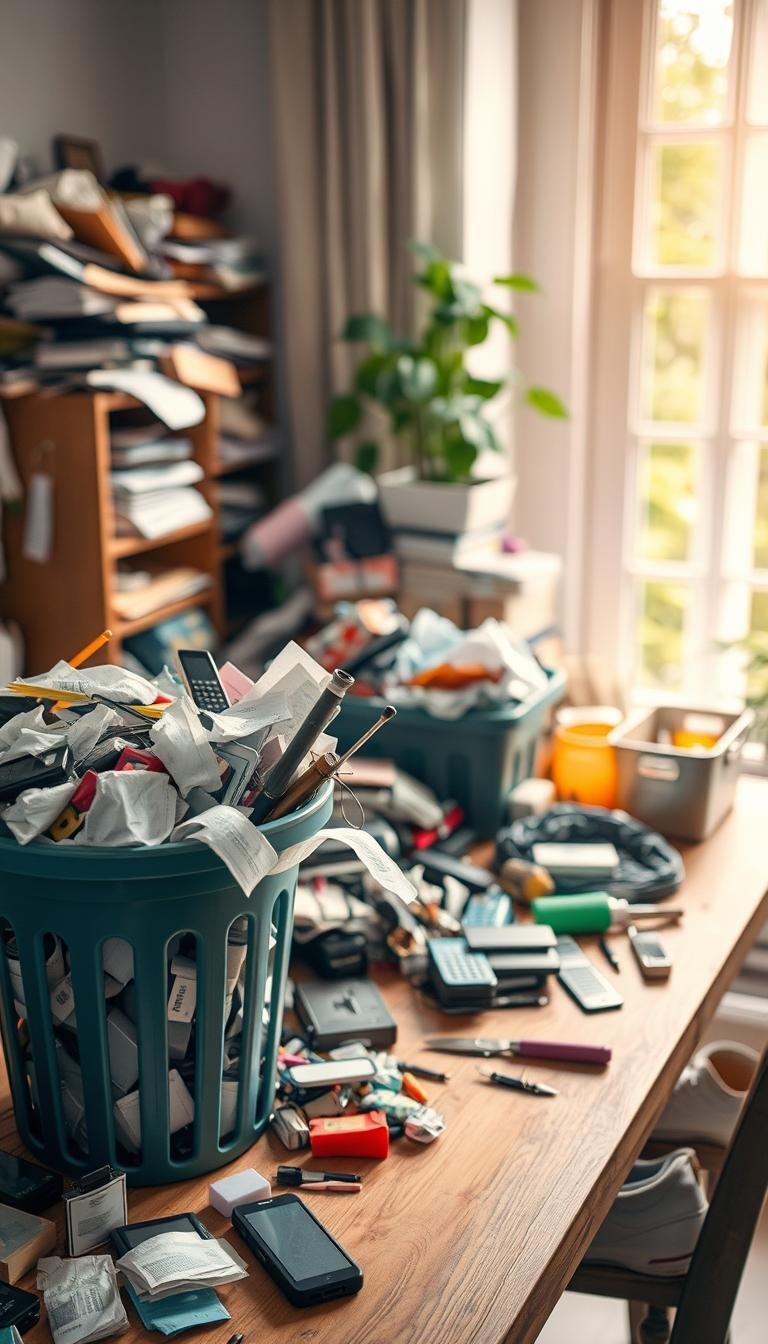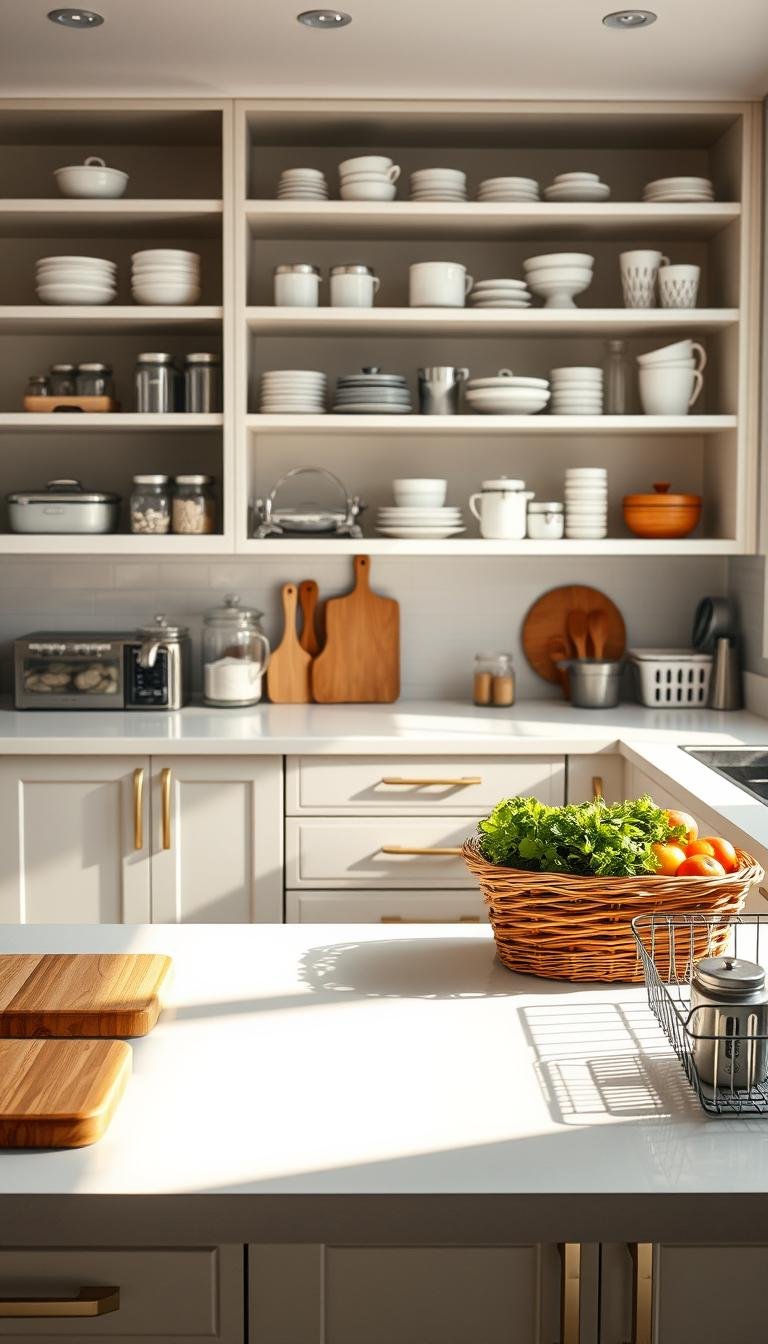

How to Declutter Your Home When You Feel Overwhelmed
You are busy. Life fills up fast. Small, kind steps can make a big difference.
We will move by category first. Clothes, books, papers, kitchen and bathroom items, then sentimental things. This order helps people make clear decisions without overload.
Simple systems come next. A landing place for keys. A donation basket in daily sight. Five-minute resets at the end of the day keep the space calm.
Start with one clear win. Fold shirts to save space and see what you have. One win leads to another. The process fits real life and short time windows.
Your house will feel lighter. Your mind will breathe. This is a gentle way forward that avoids guilt and supports steady progress today.
Key Takeaways
- Work by category, not by room.
- Begin with small, quick wins to build momentum.
- Set simple systems that fit busy schedules.
- Keep what you use. Let go without guilt.
- Daily five-minute habits make lasting change.
Start Small: A Calm Path Through the Clutter
Start with a single surface and two quiet minutes. This simple step helps you feel like progress is possible. It removes pressure. It opens a gentle way forward.
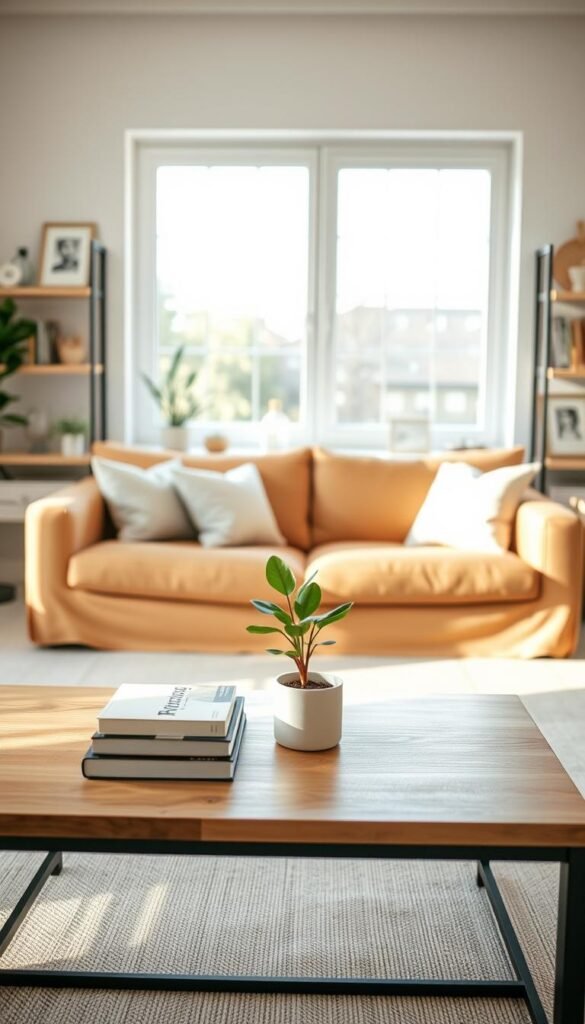
The two-minute win: one surface, one decision
Pick one surface. Give it two minutes. Make one decision about each item. Keep it simple. Small choices add up to real progress.
Clear just the top of a nightstand, a desk corner, or one shelf. Toss, donate, or keep. Put back only the things you use and love.
Create a clutter-free sanctuary corner
Designate one calm place in a room. Protect that space each day. Ask family members to respect the spot. Name it your calm zone.
- Do this once a day. Two minutes still counts.
- Keep a small box nearby for quick toss or donate choices.
- Notice your breathing as the space clears. Your mind will follow.
- Celebrate the tiny win. It unlocks the next one.
Mindset First: Gentle Decisions, No Guilt
Open with a calm question. Does this item serve the life you lead now? Make each choice soft and clear. One small decision builds steady momentum.
Keep what you truly like and use
Keep favorites. Keep useful things. That single choice reduces clutter fast.
Make a simple rule: I keep what I love or use. Let the rest go.
Let go of “supposed to” items
If you feel like you should keep something, pause. Ask if it fits your life today. If it does not, it can help someone else.
- Use local Facebook groups for quick pickup.
- Schedule donation pickups or place a “Free” sign outside.
- Set a small box for things to gift or donate.
| Gentle Rule | What to Do | Example |
|---|---|---|
| Keep favorites | Return to shelf or drawer | One trusted mug |
| Pass along rest | List, donate, or free curb | Extra mugs or duplicate tools |
| Go slow | One clear decision at a time | Ten minutes daily |
Be kind in your head. People change. So can the house and the things inside it. This is a new way to care for your home, one gentle step at a time.
Work by Category, Not by Room
Tackle one type of thing at a time to make steady progress. This way feels calm. It limits choices. It helps the brain finish tasks.
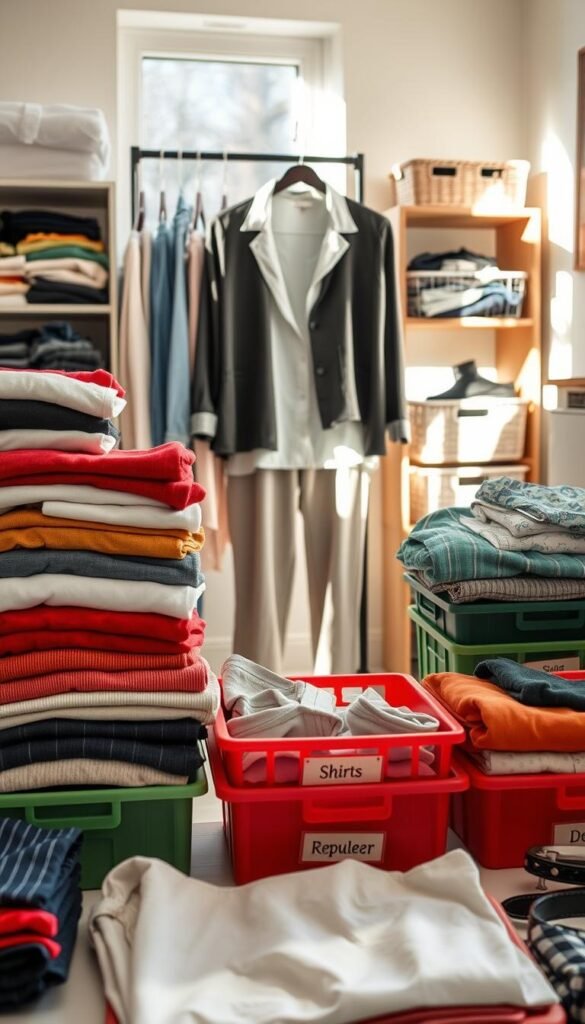
Order to follow
Follow this exact order: clothes, books, papers, kitchen and bath items, then sentimental things.
Break it into small steps
Work in sub-categories. For clothes try tops, then pants, then socks. For books try fiction, then cookbooks.
- Gather all of one category in one place before you decide.
- Use boxes labeled donate, recycle, and trash.
- Keep laundry up to date so clothes decisions go faster.
- Finish one category before starting the next to close the loop.
- Set a timer for short, clear steps and note your progress.
Move completed bags out quickly. Protect your energy. This process is a steady way to clear space in the house without overwhelm.
Quick Methods That Lower Overwhelm
Short, specific moves ease the load immediately. These are fast, kind ways to reduce stress without big effort. Try one small trick and stop when it feels enough.

The 10-10 method: 10 minutes, 10 things
Set a timer for ten minutes. Pick a drawer or shelf. Remove ten things. Decide fast. Toss, donate, or keep. The brief time makes decisions easier.
The 30-day “junk box” for cords and unknown items
Put cords, adapters, and mystery parts in a labeled box for 30 days. If you do not miss them in that month, consider getting rid. This soft rule saves space and avoids panic.
The hanger flip test for clothes
Flip hangers after you wear an item. After a few weeks, unflipped hangers show what you did not use. Pass those items along kindly.
“Small, steady actions beat one big, stressful push.”
| Method | Time | Best For | Result |
|---|---|---|---|
| 10-10 | 10 minutes | Drawers, shelves | Quick visible win |
| 30-day box | 30 days | Cords, mystery parts | Low-risk getting rid |
| Hanger flip | Weeks | Clothes | Clear wardrobe choices |
- Try one short round each day. The time is small. The relief is big.
- Move removed stuff out of the house right away.
- Keep it kind. This is a soft way to see what earns a place.
Simple Systems That Keep Things Tidy
A few calm habits keep surfaces clear and stress low. Start with tiny systems that fit real life. They stop daily scatter. They protect calm.
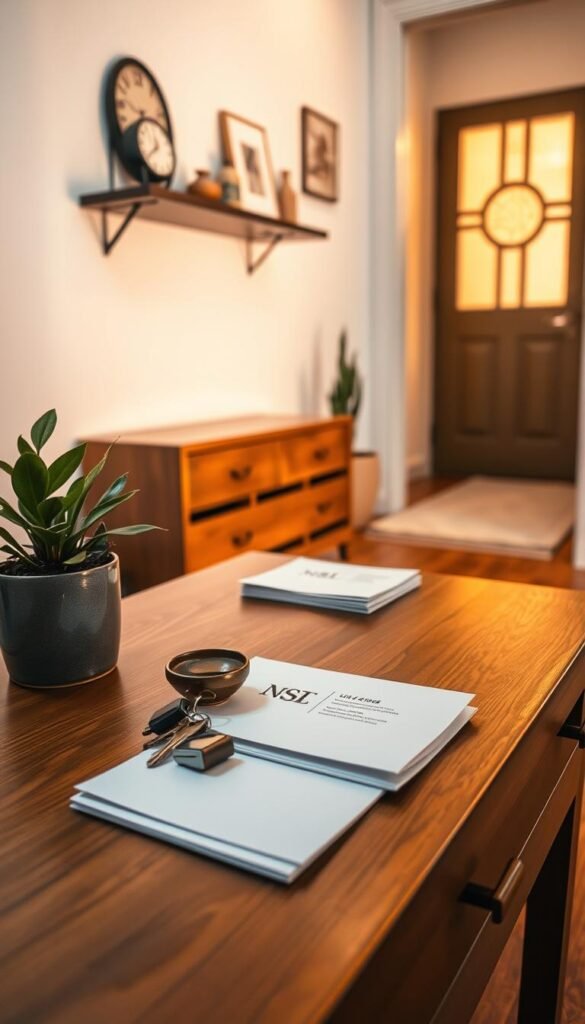
Landing table for keys and mail
Create one landing place for keys, mail, and sunglasses. Same spot. Every time.
Use a small tray on the shelf to corral tiny items. Store daily-use items at easy height. Save high spots for rare items.
Donation basket that lives in a busy room
Keep a donation basket in a high-traffic place. When something is done, drop it in. It removes decision fatigue.
Teach the system to the people who live with you. Gentle reminders help it stick.
End-of-day clear surfaces routine
Do a two- to five-minute sweep each night. Clear one table, one shelf, or one drawer. Calm returns fast.
File fold into your drawer so you can see everything. Add simple dividers like IKEA Skubb to stop the jumble.
“Small systems protect your space when days get busy.”
| System | Action | Time |
|---|---|---|
| Landing table | Tray for keys, mail, sunglasses | Immediate |
| Donation basket | Drop items; remove weekly | Ongoing |
| End-of-day sweep | Clear one surface or drawer | 2–5 minutes |
- One small step at a time creates a lasting habit.
- Keep systems simple. Repeat them daily.
- These tiny changes ease clutter in the house and home.
Daily, Weekly, Monthly Routines
Small daily habits build steady calm in busy spaces. Treat this like a hobby. Short, repeatable tasks keep momentum. They fit real life and limited time.
Daily: five-minute resets in high-traffic spots. Pick the entry, the kitchen counter, or the coffee table. Set a timer. Put things back. Move a donation item to the basket.
Weekly: one small project
Choose one drawer or one shelf. Make it a tiny project. Work for 15–30 minutes. Finish it. Close the loop. This builds clear progress and keeps tasks bite-sized.
Monthly: a little refresh
Do two 10-10 rounds in different rooms. Repeat simple tasks and refresh your sanctuary corner. Use this time to reassess what stays. Track wins on a short list on the fridge: “Daily reset. Weekly drawer. Monthly sweep.”
- Pick the same time each day so the step becomes automatic.
- Involve family with tiny roles. One clears mail. One empties the basket.
- Measure progress by how the house feels, not by how much you removed.
- If you miss a day, return gently the next day. No guilt.
“Consistency wins. Small steps protect calm and create steady progress.”
| Routine | Time | Result |
|---|---|---|
| Daily reset | 5 minutes | Less scatter |
| Weekly project | 15–30 minutes | One finished step |
| Monthly sweep | Two 10-minute rounds | Fresh sanctuary |
Room-by-Room: Kitchen and Pantry
Start by emptying a single pantry shelf so the task feels small and finishable. This gives you a clear view of what you have. It makes choices fast and calm.
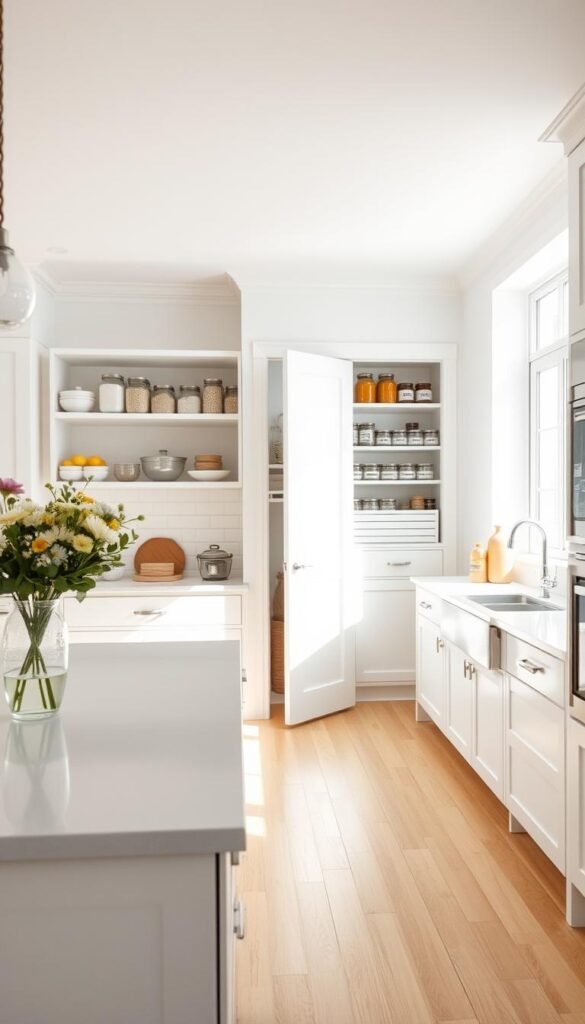
Pull everything out and check expiration dates
Empty one cabinet or shelf. Place items on the counter. Work in short rounds of ten minutes.
Check dates on cans, jars, and packets. Get rid of anything stale or expired. Toss safely.
Group by use: cooking, baking, snacks, back stock
Sort remaining things into boxes or piles by function. Cooking. Baking. Snacks. Back stock.
Keep bulky extras on a lower shelf so daily space feels open. Put daily-use tools within easy reach.
Set a “use first” bin to reduce waste
Create a front-shelf bin labeled “use first.” Place near-expiry items there.
This bin helps plan meals and cuts waste. Make a quick meal plan from what you already have.
- Wipe shelves as you go. A few minutes keeps it tidy.
- Reduce multiples. One open, one spare is enough.
- Enjoy how this simple process frees space and lowers kitchen clutter.
“Seeing what you have makes it easier to cook and to keep the room calm.”
Room-by-Room: Bathroom
Set a five-minute timer and give one bathroom surface gentle attention. This quick check often reveals expired sunscreen and half-used samples. Small work feels doable. It brings calm to a busy morning.
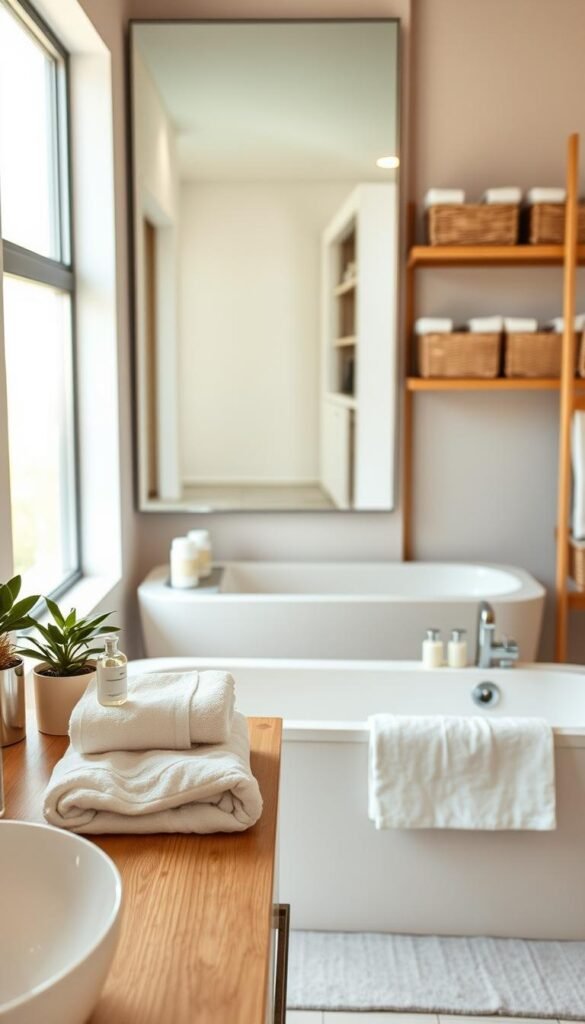
Sort toiletries by category and date
Open one drawer or shelf. Group things into skincare, hair, body, dental, and travel. Check expiry dates. Sunscreen and serums often need to go.
Keep daily items at easy-to-reach height
Store daily essentials at eye or hand level. Use small bins inside drawers to stop rolling and mess. Keep backups together so you see true stock at a glance.
- Five minutes: open one drawer or shelf and decide fast.
- Get rid of expired products and samples you do not use.
- Keep a “travel only” pouch ready to go.
- Toss worn-out makeup brushes and sponges.
- Wipe the counter clear at night for a calmer morning routine.
“A short, regular check turns clutter into a small, simple routine.”
| Action | Time | Best for | Result |
|---|---|---|---|
| Single-drawer sweep | 5 minutes | Small bathrooms | Fewer expired items |
| Category bins | 10 minutes | Drawers, medicine cabinet | Easy daily access |
| Travel pouch prep | 5 minutes | Trips and quick grabs | Less last-minute stress |
Room-by-Room: Bedroom and Closet
A tiny change in how you fold can free a surprising amount of space. Start small. One drawer or one shelf. Soft choices. Gentle progress.
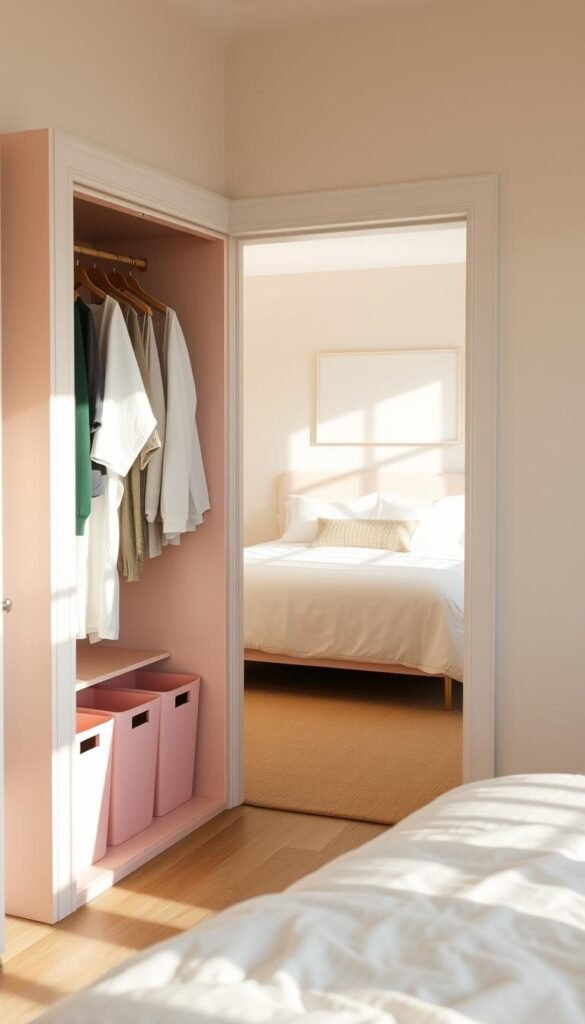
File fold to maximize drawer space
File fold clothes into small rectangles. Stand them upright in the drawer so each item is visible. This can save about two-thirds of drawer space and makes finding things fast.
Use simple dividers to stop sliding. Try small bins if you have them. Empty one drawer and test the method for one week.
Seasonal edit and capsule thinking
Store off-season items out of the way. Keep current season visible on shelves and in the closet. Try capsule thinking. Choose fewer favorites you love and wear often.
- Keep a donation bag on the closet floor for quick passes.
- Place shoes you wear most at the front. Dress clothes can live further back.
- Track what you actually wear for four weeks. Then release the rest.
Set a small laundry flow that fits your time
Match laundry tasks to your week. For example, wash Monday. Fold Tuesday. Fold in short sessions to avoid build-up.
Keep a small basket near the closet for quick sorting. This simple storage step makes mornings calmer and keeps progress steady in the house.
| Action | Time | Result |
|---|---|---|
| File fold one drawer | 15–30 minutes | More visible clothes |
| Seasonal edit | 30–45 minutes | Less daily choice |
| Weekly laundry flow | Short sessions | Fewer piles |
“Small, steady steps in the closet lead to faster mornings and calmer rooms.”
Room-by-Room: Entryway
The entryway is the first quiet pause as you arrive; keep it simple so coming in feels easy.
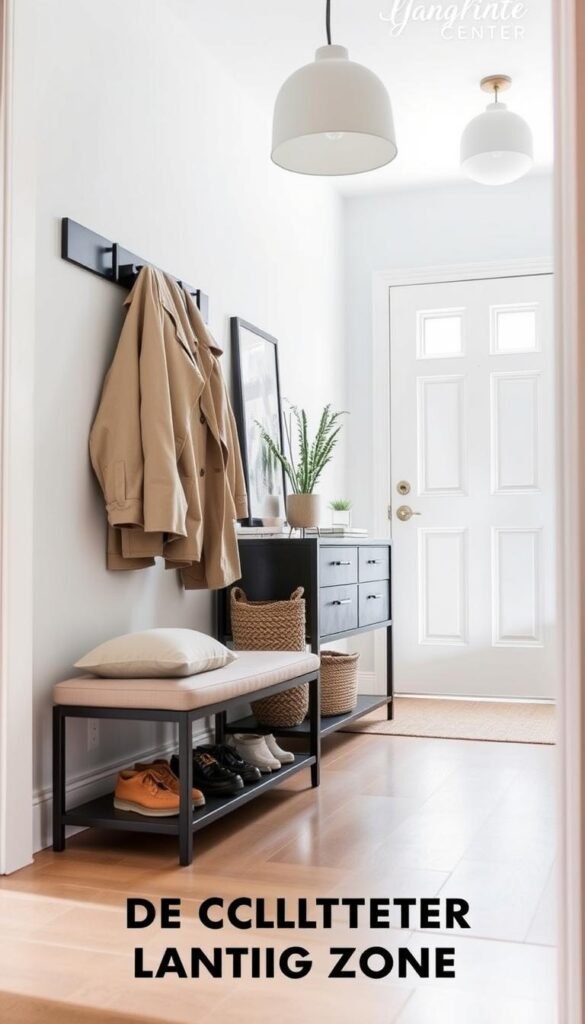
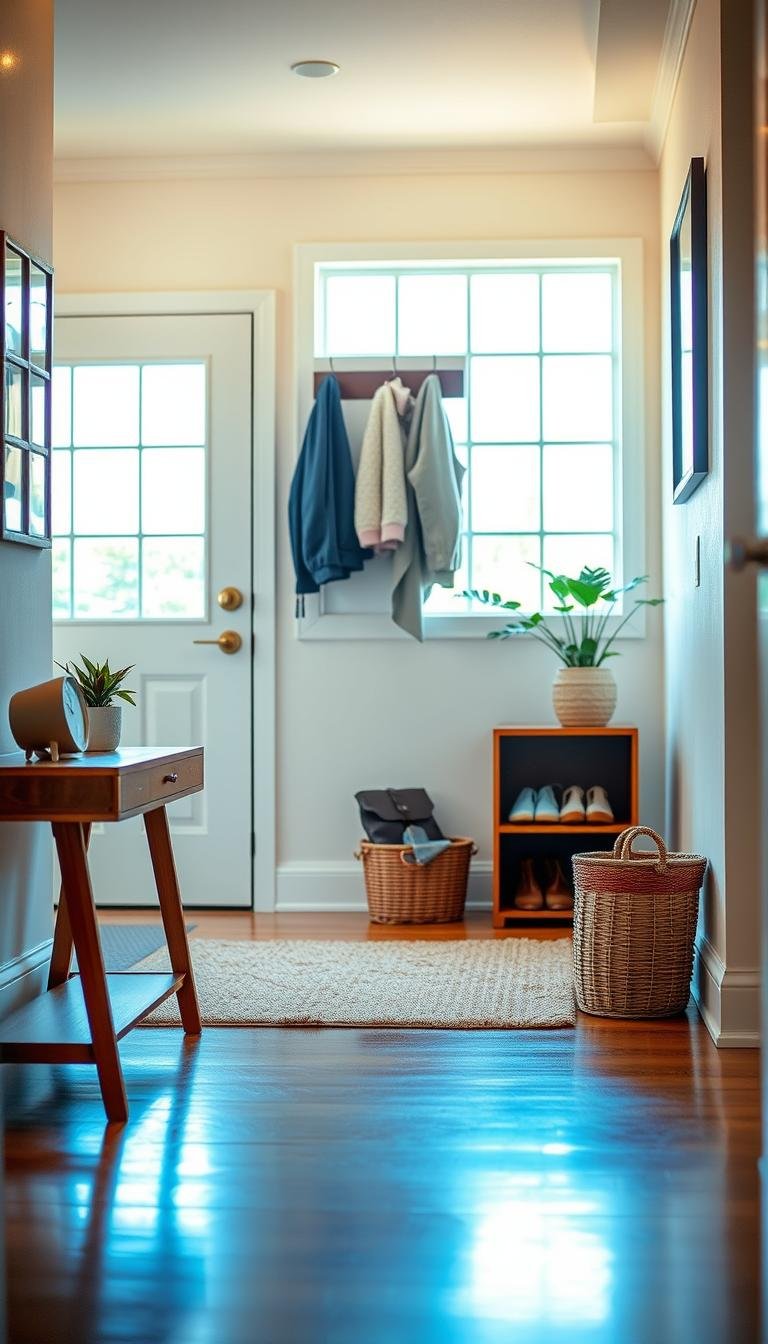
Make one clear place for daily carry. One hook. One tray or small shelf. One basket on the floor.
A landing table or tray keeps everyday things organized. It cuts visual clutter. It makes leaving the house and getting back in a calm way.
- Install one sturdy hook per person for coats and bags.
- Place a tray or small shelf for keys, wallets, and sunglasses.
- Keep a floor basket for the shoes you wear most often.
- Add a mail slot or stand. Sort daily and quickly recycle to get rid of excess.
- Limit décor here. This is a work zone that protects the rest of the space.
Teach people the simple path: hook, tray, basket. Repeatable steps help a family follow the plan.
Store rare-use items in less-accessible spots. Keep a small cloth for a nightly wipe-down. Move seasonal gear to a closet when not needed.
“A clear way in makes the whole house feel calm.”
Room-by-Room: Kids’ Spaces
Turn a busy room into a fun short project. Make it playful so kids feel excited. Keep steps small. Offer a clear reward and everyone can join in.
Make it a game: donate 25 things for a family prize
Set a simple challenge. Count twenty-five things to give away. When the goal is met, celebrate with a game night or a favorite meal.
This helps people learn choices. Kids see progress in a way that feels safe. It also makes donation easy and kind.
Label by color or picture for easy put-away
Use picture labels on boxes so children know where toys belong. Keep a few clear categories: blocks, dolls, cars, art.
- Store back-up toys in the garage and rotate monthly.
- Keep a small donation bin in the room for quick drops.
- Use low shelves so kids can reach and tidy on their own.
- Limit souvenirs. One in, one out helps control stuff.
Ask children to pick favorites. Praise small wins. This gentle way teaches tidy habits and keeps the house calmer over time.
“Short, playful steps build steady progress and make tidying a shared moment.”
Books, Papers, and Digital Clutter
Start with a small, kind step. Pick five books to gift or donate. Write a short note for each. Drop them at a local library or try services like WeBuyBooks for a fast quote, free post, and next-day payment.
Paper triage: make three piles. Action. File. Recycle. Give each sheet one fast decision. Put only must-keep documents in a file. Scan the rest when possible.
Clear the digital space
Set a 10-minute timer. Clear desktop icons. Archive old files into one folder. Unsubscribe from five emails. Your mind will feel lighter after small wins like this.
- Pick five books. Gift or donate them today with a note.
- Create one action tray. Empty it twice weekly.
- Batch shredding once a week saves time.
- Keep a “to file” folder. Empty it on Fridays.
- Track the process with a simple checklist on the fridge.
“Small wins here clear mental space across the house.”
| Task | Time | Why it helps | Quick tip |
|---|---|---|---|
| Choose five books | 10–20 minutes | Gives things a kind exit | Add a short note |
| Paper triage | 5–15 minutes | Stops pile buildup | One decision per sheet |
| Digital tidy | 10 minutes | Calms the mind | Unsubscribe 5 emails |
| Weekly shredding | 15 minutes | Protects privacy | Batch once weekly |
Storage After You Declutter
Hold off on buying bins until the surplus is gone. Finish the letting-go process first. Packing away too much only hides the problem. Clear extras so storage serves what you keep.
Organize only once the extra is gone
Make organizing the last step in the process. When things are fewer, decisions are faster. This saves time and money.
Match storage to frequency of use
Keep daily items at eye or hand level. Place rare-use things up high or low. Make a short list for each room: “Keep near. Store far.”
Drawer dividers and deep-cupboard strategy
Use dividers so drawers make sense. IKEA Skubb-style dividers create clear sections and stop mixing. Deep cupboards work best for large items. Avoid filling deep spaces with many small pieces.
- Measure before you buy a bin. Buy only what fits the way you live.
- Label simply. One or two words are enough.
- Move donations to the car right away to keep momentum.
- Keep a small shelf open on purpose. White space calms the room.
| Action | Where | Why |
|---|---|---|
| Keep near | Eye/hand level shelf | Faster access to daily things |
| Store far | High shelf or garage | Less used stuff out of the way |
| Divide drawers | Shallow drawers | Clear sections reduce mess |
One week check: review decisions and adjust the method. Small tweaks keep the house calm and the process working.
Donations, Selling, and Easy Letting Go
Choose a simple exit plan for things you no longer need. Make the path easy. Pick one fast option and follow it. Small steps win.
Schedule pickup or place items out with a “Free” sign
Schedule a charity pickup when possible. A pickup saves time and removes friction. If you prefer quick rehoming, label boxes and place them at the curb with a clear “Free” sign. People often take stuff fast.
Local groups and simple resale options
Use local Facebook groups to pass along things. List higher-value items on Vinted or eBay if you enjoy selling. For books, scan barcodes for instant quotes and free collection via services like WeBuyBooks.
- Choose the easiest way first. Donation pickup saves time.
- Load the car with donations right after a session.
- Set a weekly handoff day so boxes do not pile in the house.
- Keep listings simple: clear photos, few words, honest condition.
- If selling feels heavy, donate instead. It makes getting rid kinder.
“Celebrate clear floors and empty corners. That is the real return.”
| Option | Best for | Quick result |
|---|---|---|
| Charity pickup | Large loads | Saves time |
| “Free” curb boxes | Fast rehoming | Stuff gone same day |
| Online resale | Higher-value items | Small payout |
| Local groups | Furniture, toys | People collect |
Declutter Your Home
Take one tiny corner and give it two calm minutes now. This small step starts progress without stress. It helps the mind feel lighter.
One gentle way forward: pick a visible place. Clear it. Stop when it feels enough. One small win today makes doing more feel possible tomorrow.
- Step one today: clear one small place for two minutes.
- Fill one bag with things you do not need. Move it to the car.
- Do a five-minute reset in the room you see first at home.
- Choose your next tiny task and put it on your calendar.
- Start a donation basket. Keep it where you walk daily.
- Create a landing spot by the door. Keys and mail live there.
- Do one 10-10 sweep when you have time this week.
- Protect your mind with less visual clutter and more white space.
- Invite one person at home to help with a friendly task.
- Notice your progress. Small steps change how the house feels.
“Small, kind acts each day keep the space calm and let real progress build.”
Conclusion
Tiny projects, done again and again, reshape how the house works.
Lasting change often takes years. Treat this as a gentle project. Ten calm minutes can shift the day and the mind.
Trust the process. Make one small decision today. Move one bag, clear one shelf, or set a simple system that fits your life.
When you feel like stopping, pause with kindness. Return when ready. Notice how each room gains a little more space and how stuff loses its hold over time.
Thank yourself for each win. Fewer things give you more time. Keep going softly. We are here with you for the long way.
FAQ
How do I begin when I feel overwhelmed and don’t know where to start?
Begin with one tiny task. Pick one surface. Set a timer for five minutes. Move three things to homes they belong to. Small wins build calm. Repeat daily.
What is the two-minute win and how does it help?
The two-minute win asks you to spend two minutes making a single decision. Clear a countertop. Toss one empty box. Put a lost item back. It reduces mental clutter and creates momentum.
How do I create a clutter-free sanctuary corner?
Choose one small spot. Remove everything. Keep only what soothes you. Add a soft tray or basket for daily items. Make it a place you feel relaxed returning to.
How do I decide what to keep without feeling guilty?
Ask if you use it or truly love it. If not, imagine it in someone else’s hands where it’s useful. Give yourself permission to let go. No guilt. Just kinder choices.
What do you mean by letting go of “supposed to” items?
Those are things kept for expectations. Gifts you never use. Projects you never start. Release items that belong to a past obligation. Free space for what fits your life now.
Why should I work by category instead of by room?
Categories help you see totals. Clothes in one place reveal duplicates. Papers sorted together expose what matters. It speeds decisions and prevents shuffling items between rooms.
What order of categories is best to follow?
Start with clothes. Then books. Next papers. Then kitchen and bath items. Finish with sentimental things. This order grows confidence before harder choices.
How do sub-categories speed progress?
Break big piles into small groups. T-shirts. Sweaters. Socks. It makes choices faster. You feel steady progress. It keeps overwhelm low.
What is the 10-10 method and how do I use it?
Set a timer for 10 minutes. Find 10 items to keep, donate, or toss. Quick. Focused. Satisfying. Do it while watching a short show or during a break.
How does the 30-day “junk box” work?
Place unknown or extra items in a box for 30 days. If you don’t need them, donate or sell the box. It protects you from premature decisions and clears space fast.
What is the hanger flip test for clothes?
Turn hangers backward for unused items. After wearing, place them the right way. In six months, donate clothes still backward. It’s a gentle way to see what you actually wear.
What simple systems help keep things tidy long-term?
Keep a landing table for keys and mail. Use a donation basket in a daily spot. Do an end-of-day clear surfaces routine. Small systems repeated daily change your home.
How can I fit routines into a busy schedule?
Aim for tiny routines. Five-minute daily resets in high-traffic spots. One small drawer project each week. A monthly 10-10 sweep. Consistency matters more than time spent.
How do I tackle the kitchen and pantry without chaos?
Pull items out. Check dates. Group by use. Make a “use first” bin for soon-to-expire food. Keep frequently used tools within reach. Donate duplicates.
What’s the easiest way to sort bathroom toiletries?
Group by category and check dates. Keep daily items at easy height. Toss empties and old products. Use small trays or baskets for neatness.
How can I maximize closet and drawer space?
Try file folding for drawers. Edit seasonally. Create a small capsule of go-to outfits. Keep a steady laundry flow that matches your time.
What should an entryway landing zone include?
One hook for coats. A tray for keys and mail. A basket for shoes or bags. A simple zone reduces daily scatter and saves time.
How do I make kids’ spaces easier to manage?
Turn it into a game. Challenge them to donate 25 items for a family prize. Use labels with color or pictures for quick put-away. Keep play zones small.
How should I handle books, papers, and digital clutter?
Choose five books to gift. Do paper triage: action, file, recycle. Clear the digital desktop for mental space. Small purges add up.
When should I buy storage after sorting things?
Only after excess is gone. Match storage to how often you use items. Use drawer dividers and deep-cupboard solutions. Less stuff. Smarter systems.
What are the easiest ways to donate or sell items?
Schedule a pickup or place items at the curb with a clear sign. Use local donation centers. Try simple resale apps like Facebook Marketplace for higher-value pieces.
How do I keep progress without aiming for perfection?
Aim for calm, not perfect. Small, consistent decisions win. Celebrate tiny steps. Build systems that fit real life. You’ll feel lighter over time.