How to Build a Minimalist Cleaning Routine
You are busy. You want a calm home that fits your life. This post offers a soft, simple way forward. No pressure. Just small steps you can keep.
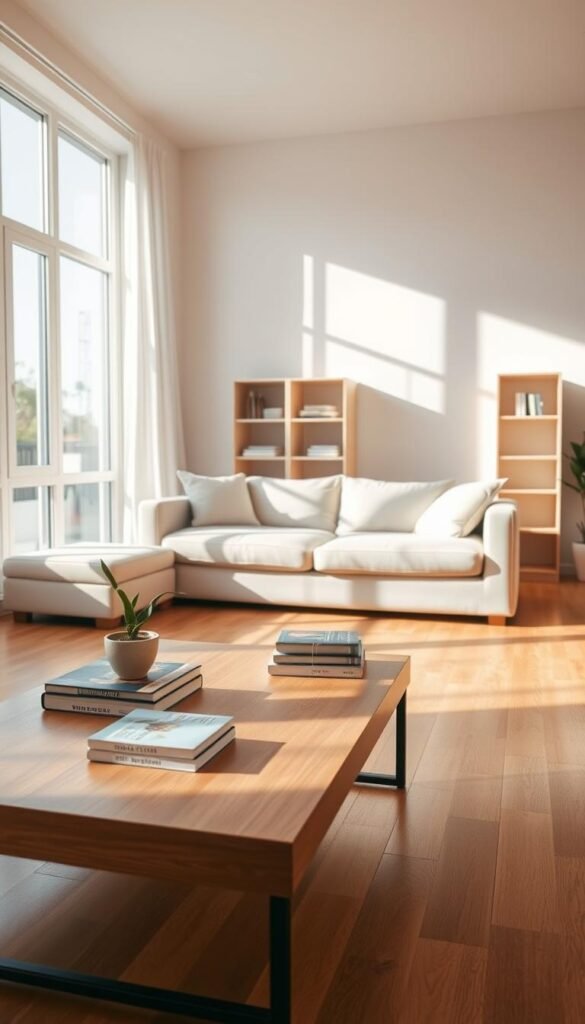
Start with less. Clear floors and counters. That makes cleaning faster. A weekly sweep can take ten minutes when the floor is clear.
We focus on quick wins. Daily resets in minutes. A simple rule for dishes and laundry. Small habits save time and reduce mess.
You will learn to tell tidying from cleaning. Put things back. Then wipe away dirt. Room-by-room systems follow. One day at a time. Gentle teamwork helps the whole family keep order.
Key Takeaways
- Clear surfaces first to speed up cleaning.
- Short daily resets prevent big pileups.
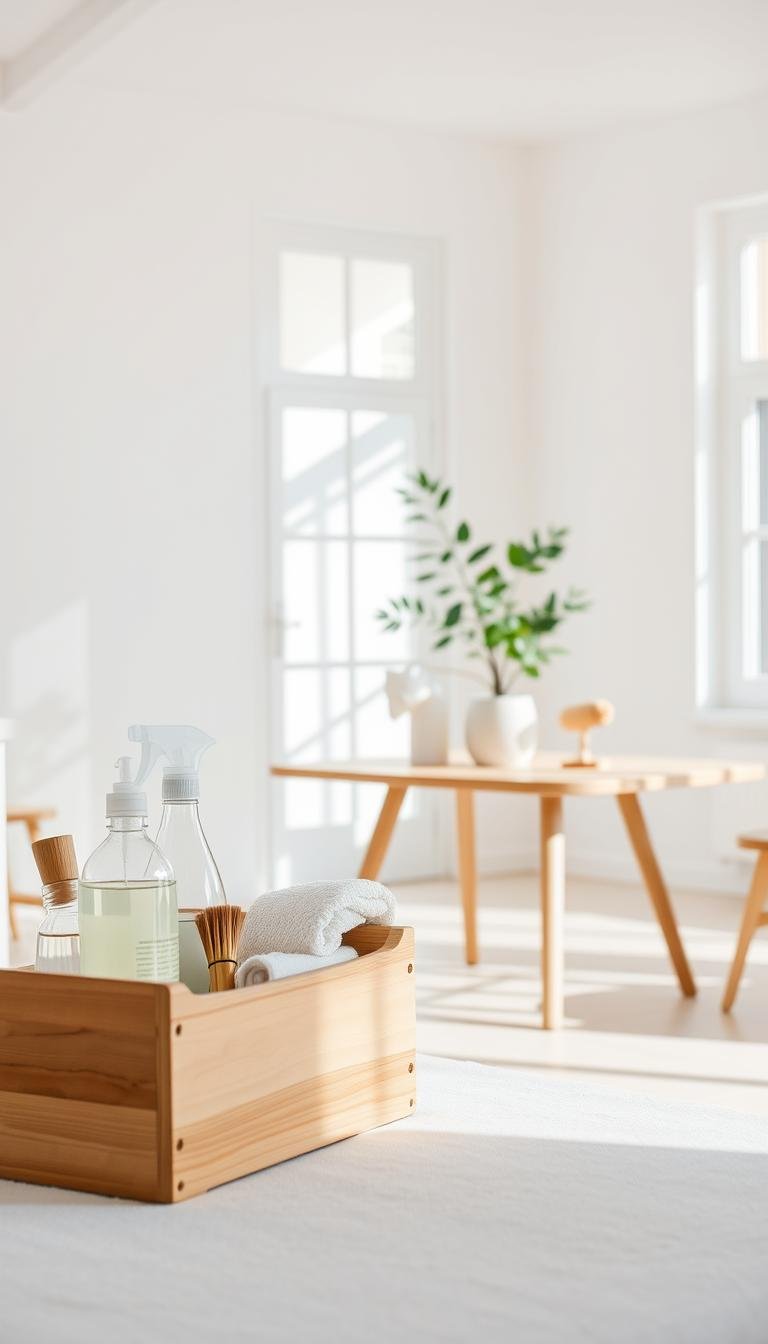
- Use simple tools like a broom, cloth, and baskets.
- Plan small weekly and monthly cycles.
- Focus on habits that fit your day and family.
Start Simple: Declutter First, Then Clean
Clear one surface first and watch how quickly tasks shrink.
Begin with a short, calm purge. Pick one room and set a 15-minute timer. Focus on surfaces and the floor. This gives a fast win and buys you time later for real cleaning.
Quick purge path: what to keep, what to let go
- Keep the stuff you use and love. Put those items back now.
- Let go of duplicates, broken things, and “someday” items.
- Use four boxes: Keep. Donate. Trash. Move elsewhere.
- Clothes rule: keep favorites. Fewer clothes mean fewer loads.
The difference between tidying and cleaning
Tidy means returning items to their place. Clean means removing dust, spills, and grime. Always tidy first. Then wipe surfaces and vacuum. This order saves time and reduces stress.
| Action | Why it helps | Time |
|---|---|---|
| Clear counters | Faster wipes; less visual clutter | 5 minutes |
| Box purge | Quick decisions; fewer items to manage | 15 minutes |
| Floor check | Open floors ease sweeping | 5–10 minutes |
| Daily reset | Keeps your house steady with little effort | 5–10 minutes |
Give everything a clear place. Labels help. Small, steady progress makes your home feel calmer and your life easier.
The Minimalist Cleaning Routine Framework
A few focused minutes each day prevent overwhelm later. This framework gives clear, gentle steps you can use on a steady basis. It keeps tasks small and your home calm.
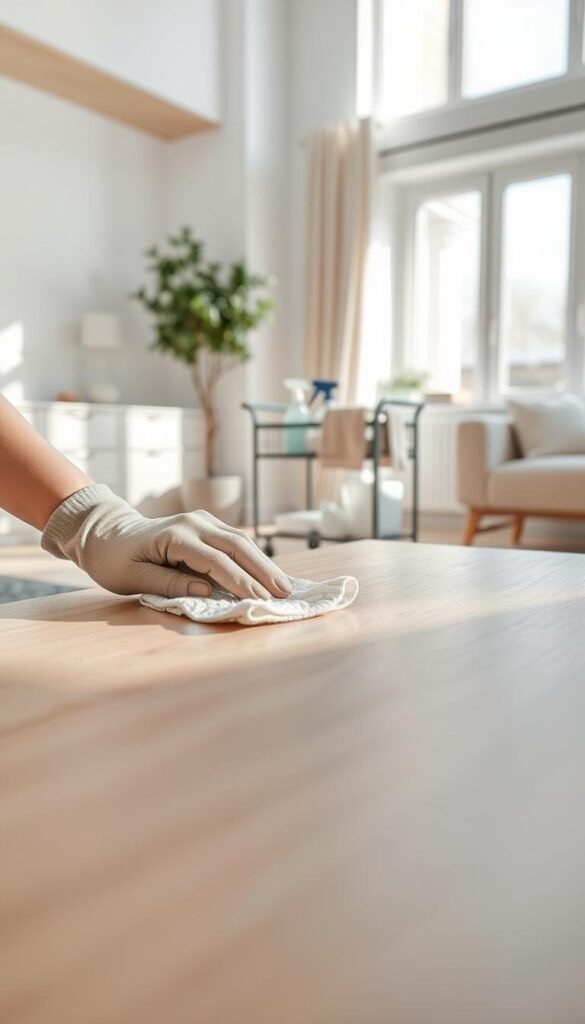
Daily: 10–20 minute resets
On a daily basis do short, focused work. Start with dishes and one small laundry load in the morning if that helps.
- 10–20 minutes: clear counters, load dishes, wipe kitchen and bathroom hotspots.
- Quick pass on floors in high-traffic zones.
- Handle incoming items now. Put things away to stop piles.
Weekly: light cycles (30–60 minutes)
Once a week, pick a 30–60 minute block. Do mirrors, dust, toilets, fresh towels, and empty bins.
- Choose a simple weekly list: Monday bathrooms. Wednesday floors. Friday sheets.
- Add one extra task if you have time.
Monthly and gentle rules
Each month focus on one small deep clean. One cabinet. One appliance. Short sessions add up.
| When | Task | Time |
|---|---|---|
| Daily | Reset hotspots (kitchen, bathroom, dishes) | 10–20 min |
| Weekly | Spruce: dust, floors, laundry basics | 30–60 min |
| Monthly | Deep small area | 20–40 min |
Gentle rules: put items away, shop your shelves, and use what you have. Two five-minute resets beat one long session. If you miss a day, start again tomorrow. Your house will meet you where you are.
Room-by-Room Systems that Work
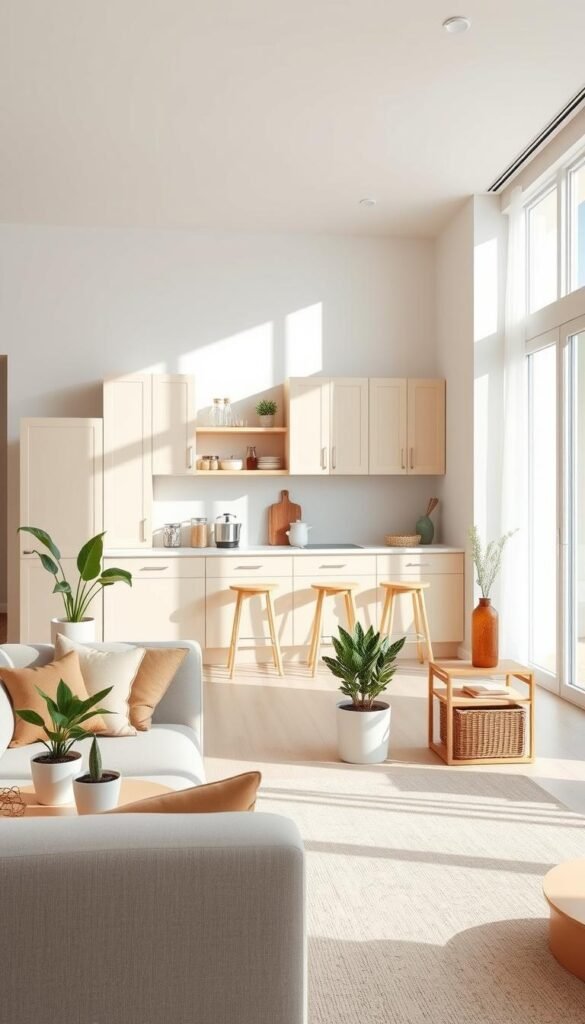
Kitchen
Five-minute finish: toss trash. Load the dishwasher. Hand-wash a few items. Wipe counters and the stove front. Clean-as-you-go stops pileups.
Pantry
Group like with like. Keep labels facing out. “Shop your shelves” before buying. This saves food and makes meal planning easier.
Bathroom
Daily micro: swish the toilet. Wipe the sink and faucet. Spot-spray the mirror. Bi-weekly: swap towels, wipe exteriors, empty the bin. Small cleaning steps keep it fresh all week.
Bedroom & Closet
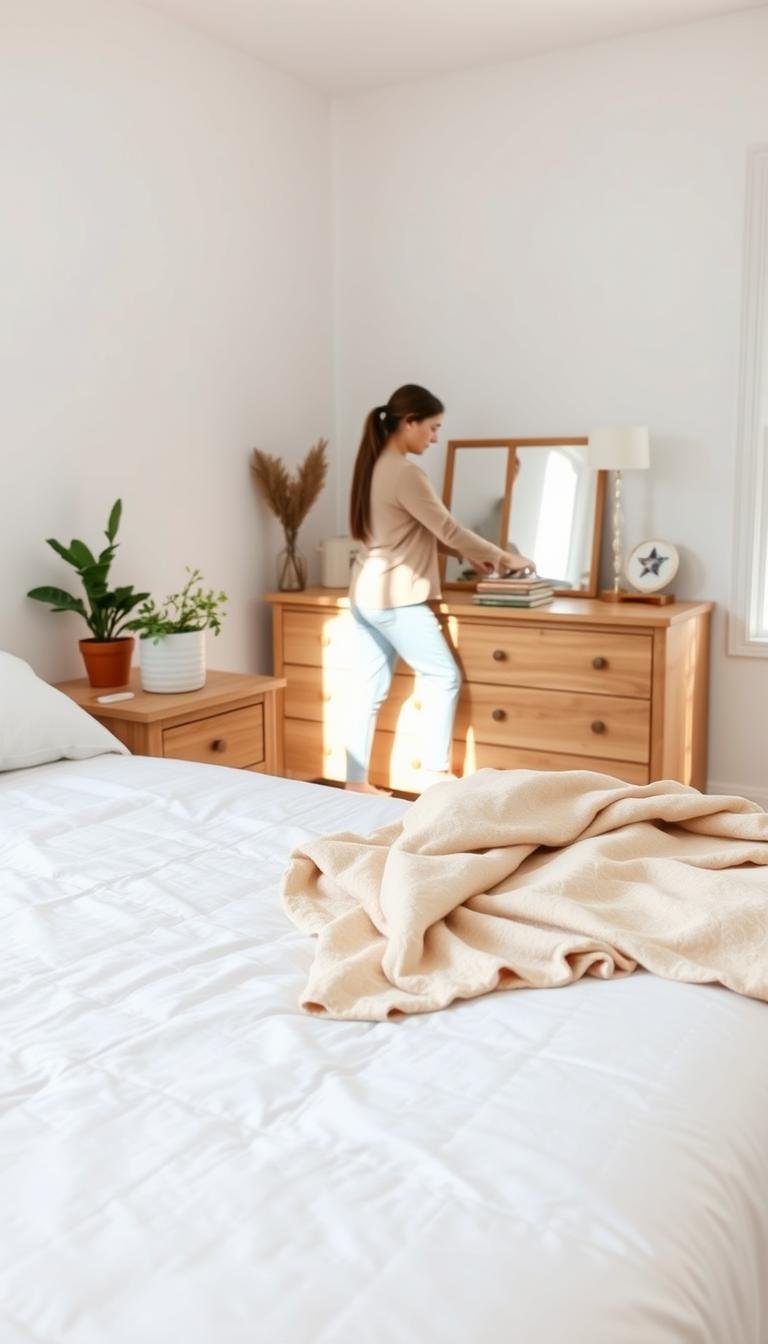
Clear nightstands. Simple linens. One laundry basket. Fewer clothes and uniform hangers make mornings calm and laundry lighter.
Entryway, Living Room, Kids
Give keys a tray and hooks a place. Fold throws and corral remotes in a tray. Use one low bin per toy. Clear floor, clear floor work becomes fast.
Weekly Review
Scan each room. Pick one tiny task. Wipe a shelf. Clean a drawer. Tiny wins build steady momentum for the whole house.
Laundry, Dishes, and Floors on Easy Mode
Little choices each day make big differences for laundry, dishes, and floors. Choose one simple path and lean into it. Small systems save you time and reduce stress.
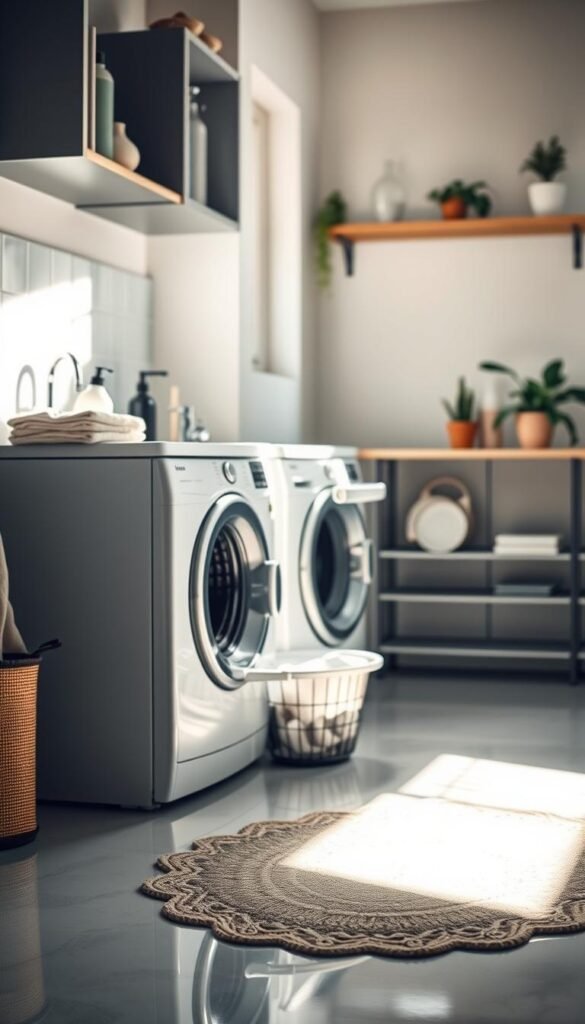
Laundry options: a load a day, a set laundry day, or drop-off
Three clear choices:
- Load-a-day: start a load in the morning, fold after work, put clothes away before bed. One small load. No backlog.
- Weekly block: batch laundry on one day. Sort by person. Fold together. Done for the week.
- Drop-off: pay a little money and buy back your hours. Great for busy seasons or big weeks.
Dishes: end-of-meal finish line
End each meal with a quick clear. Load the dishwasher. Hand-wash a few pans. Wipe counters. This takes two to five minutes.
Share the pots task. Rotate who rinses. Light teamwork keeps the kitchen calm.
Floors: clear the clutter, then quick sweep or vacuum
Clear the floor first. Sweeping or a short vacuum pass in main paths takes minutes.
A simple broom, microfiber mop, and a lightweight vacuum work well. A robot vacuum helps if you like automation.
Family-Friendly Habits for Busy Days
When days are full, tiny family rules make the house easier to manage. Gentle systems help you keep order without pressure. They include kids and fit real life.
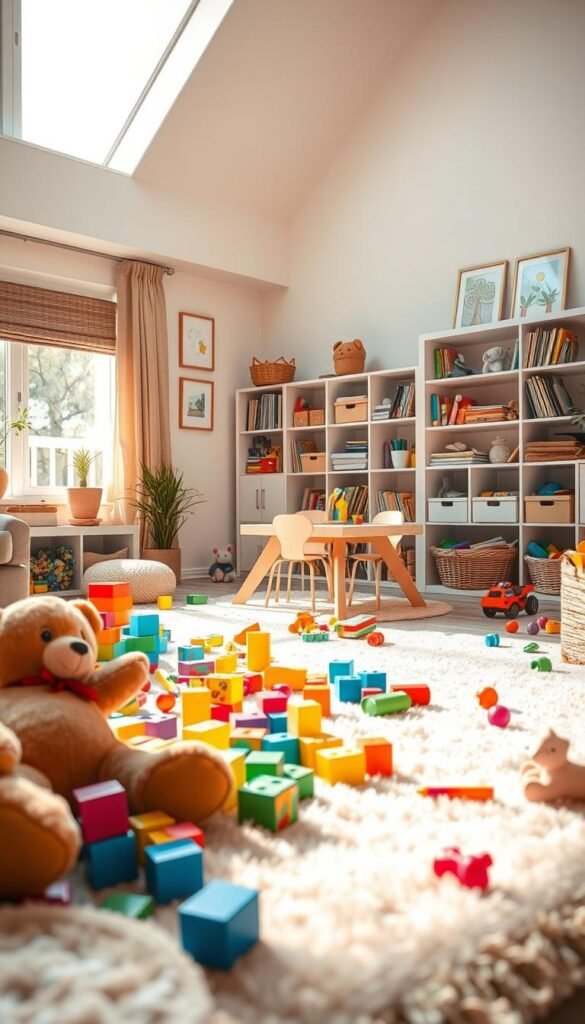
Kids’ toys: baskets, cubbies, and quick pickups
Use open baskets and low cubbies. They make it easy for kids to toss toys back fast.
Name each place. Puzzles here. Cars in that bin. Labels help guests and caregivers too.
Declutter toys every 3–6 months. Keep favorites. Donate the rest. Less to manage. More time to play.
Take-it-with-you rule: put things back as you move
Teach the take-it-with-you habit. When you move rooms, carry one thing to its place.
Make pick-ups tiny. Two-minute resets before snacks and another before bed. Do this every day to keep mess small.
- Involve kids kindly: let toddlers sort blocks or put books away. Progress over perfection.
- Share simple tasks: kids can bring laundry to a basket or wipe a low table.
- Keep supplies safe: mild sprays and soft cloths that kids can use with you.
Accept this season. Some mess means life is happening. Do one tiny reset if today was full. Your home will move forward, one day at a time.
Light Planning, Fewer Things, Better Flow
Light planning makes daily tasks feel doable and calm. A soft plan saves you time and keeps your home flowing. Small moves add up in life.
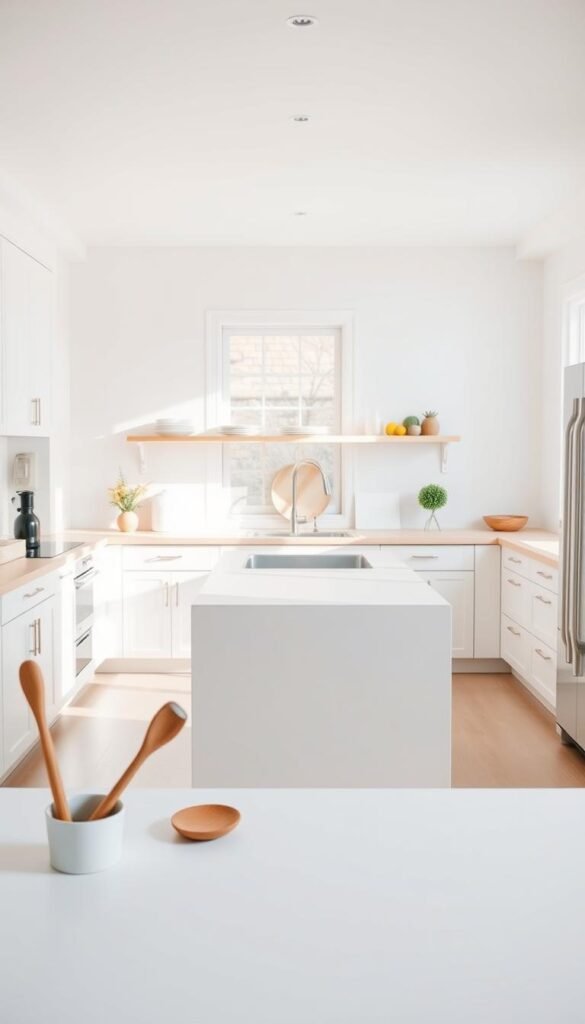
Meal planning that supports a tidy kitchen
Write a short list of five dinners for the week. Leave room for leftovers and one easy night.
Check your pantry and fridge before shopping. Shop your shelves to save money and avoid crowded counters.
Get groceries delivered on Monday if that helps. Do one ten-minute prep block. Wash produce or cook a pot of rice.
A place for everything: set homes, keep order
Give keys a tray and mail one basket. Hooks for umbrellas. A set place makes returns simple.
Keep like with like. Label shelves so people can help. A clear place for items speeds tidying and lowers stress.
Buy less, use what you have
Purge before you organize. Use bins you already own. Your house breathes better with fewer things.
Pause before you bring new stuff in. Ask if it has a clear place and a real purpose.
- Make a tiny weekly review. Ten minutes to reset one drawer or shelf.
- Choose one gentle change at a time. Small steps stick.
Conclusion
A few focused minutes change how your home feels.
You can do this with ease. A minimalist cleaning routine is about small steps that free your time and calm your house.
Start with less. Clear one counter. Then one floor space. Tidy first. Then clean. Put things back and wipe what you see.
Starter list: do dishes, start one laundry load, wipe the bathroom sink, quick sweep of one room, five-minute put-away.
Weekly: fresh towels, a light bathroom pass, floors, empty bins, one drawer reset. Monthly: pick one cabinet or appliance.
Your home supports your family. Aim for steady, not perfect. If you miss a day, begin again the next morning. This post is your calm guide.
FAQ
How do I start a gentle cleaning plan without feeling overwhelmed?
Begin small. Clear one surface first. Set a 10-minute timer each morning for quick resets. Do one load of laundry or wash dishes after a meal. These tiny wins add up. Keep tools and supplies simple. You’ll build confidence slowly.
What’s the easiest way to decide what to keep and what to let go?
Use three piles: keep, donate, toss. Ask if an item is used in the last year or brings you calm. If not, let it go. Be kind to yourself. Start in one drawer or shelf so the task feels doable.
How are tidying and cleaning different?
Tidying puts things back in their homes. Cleaning removes dirt and germs. Do tidying first so surfaces are clear. Then wipe, sweep, or vacuum. Both keep a space feeling peaceful.
What does a 10–20 minute daily reset look like?
Focus on high-impact spots. Clear counters, load the dishwasher, make the bed, and quick-swipe bathroom surfaces. Move through rooms in short bursts. It keeps clutter from piling up and makes weekly tasks easier.
Which weekly tasks prevent big messes?
Light cycles: dust surfaces, mop or vacuum main floors, change towels and sheets as needed, and clean kitchen appliances lightly. Doing these once a week stops small problems from growing.
How do I handle monthly deep-cleaning without burnout?
Break it into small projects. Clean one appliance, scrub grout, or declutter a cabinet each month. Schedule a single task on a weekend. Rotate jobs so no day feels heavy.
What simple rules save time and money at home?
Keep rituals short and consistent. Put things back after use. Fix small issues right away. Buy fewer duplicates. Use multi-purpose cleaners. These habits reduce chores and expenses.
How can I keep kitchen counters clear with a busy family?
Adopt a clean-as-you-go habit. Wash or load dishes after meals. Store frequently used items in easy spots. Use baskets for stray items. A five-minute finish each evening keeps counters calm.
Any tips for managing pantry clutter and reducing food waste?
Keep items visible. Use clear containers and label them. Rotate older items to the front. Plan simple meals that use what you already have. Shop with a list to avoid duplicates.
What’s a fast bathroom care routine that actually works?
Swish-and-swipe daily. Use a small squeegee on the shower, wipe the sink after use, and spot-clean the toilet seat. A weekly scrub keeps things fresh without long sessions.
How do I make bedroom resets quick and soothing?
Keep surfaces clear and only a few items on nightstands. Use easy-care linens. Make the bed each morning. A short tidy in the evening keeps the room restful.
How should I approach the closet to save time in the morning?
Edit your wardrobe to items you wear often. Organize by type and color. Keep a simple laundry routine so clean clothes are ready. Fewer choices make mornings calmer.
What belongs in an entryway to avoid daily chaos?
A small basket or hooks for keys, a tray for mail, and a shoe bin. Teach family members to use these spots. It prevents drops at the door and keeps the entrance tidy.
What laundry rhythms work best for busy weeks?
Pick one method: a load a day, one full laundry day, or use a drop-off service. Match it to your schedule. The goal is consistent motion so laundry never overwhelms.
How can dishes be handled without extra stress?
Aim for an end-of-meal finish line. Load the dishwasher during or right after cooking. Hand-wash what’s needed. Clearing the sink nightly keeps the kitchen inviting.
What’s a simple approach to floors that keeps rooms usable?
Clear clutter first. Sweep or vacuum high-traffic areas every few days. Do a quick mop or spot-clean weekly. Focus on visible zones for the greatest effect.
How do I get kids to help without turning chores into fights?
Keep tasks short and clear. Use baskets or cubbies for toys. Give one small job at a time. Praise effort. Make tidy-ups a quick family routine so it feels normal and gentle.
What is the “take-it-with-you” rule and how does it help?
When you leave a room, carry one item that belongs elsewhere. Return it as you pass that room. This small habit prevents clutter from spreading and saves time later.
How can meal planning support a calmer kitchen?
Plan simple meals that use overlapping ingredients. Prep once for multiple meals. Keep staples visible and ready. Less decision fatigue means less mess and fewer impulse buys.
How do I create homes for things so order sticks?
Give each item a clear spot. Label when helpful. Store daily items at eye level. Put seasonal or rare items out of the way. Consistent homes make returning things easier.
Any tips for buying less and using what I have?
Pause before buying. Check your pantry and closet first. Choose quality over quantity. Buy with purpose. This reduces clutter and saves money over time.