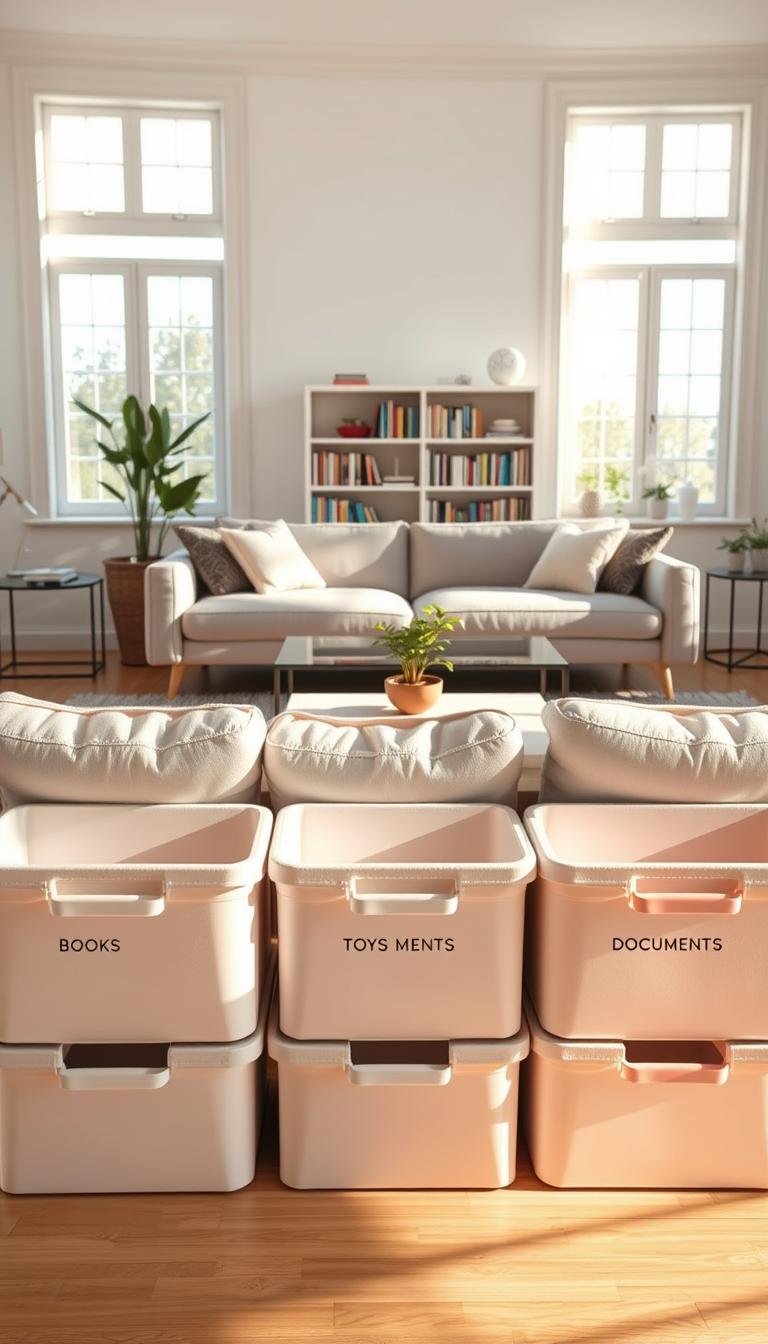
Declutter Your Home Using the “Zones” Method
You are busy. You want a calm home without an all-day overhaul. Small, steady steps get you there.
This gentle guide shows a simple process you can follow in short blocks of time. Work for ten to thirty minutes. Or pick two brief sessions a week. The plan is to declutter first and then do light cleaning.
We use a practical system that treats each room as a zone. You get clear steps. A four-box approach helps you decide fast. Keep. Give. Toss. Hold.
This is about steady wins. Nightly tidies. A quick paper sort each week. Laundry done and put away the same day. Small routines that protect your space and your time.
Key Takeaways
- Focus on one zone at a time to reduce overwhelm.
- Use short sessions of 10–30 minutes for steady progress.
- Follow the four-box approach for quick decisions.
- Simple routines keep gains: nightly tidy and same-day laundry.
- SOS: Simplify, Organize, Systematize to maintain your home.
What the Zones Method Is and Why It Works
Work on one small area at a time and you will see steady change.
This approach treats a zone as a room or a focused spot. It breaks your home into manageable pieces. That reduces decision fatigue. You spend little time. You get steady wins.
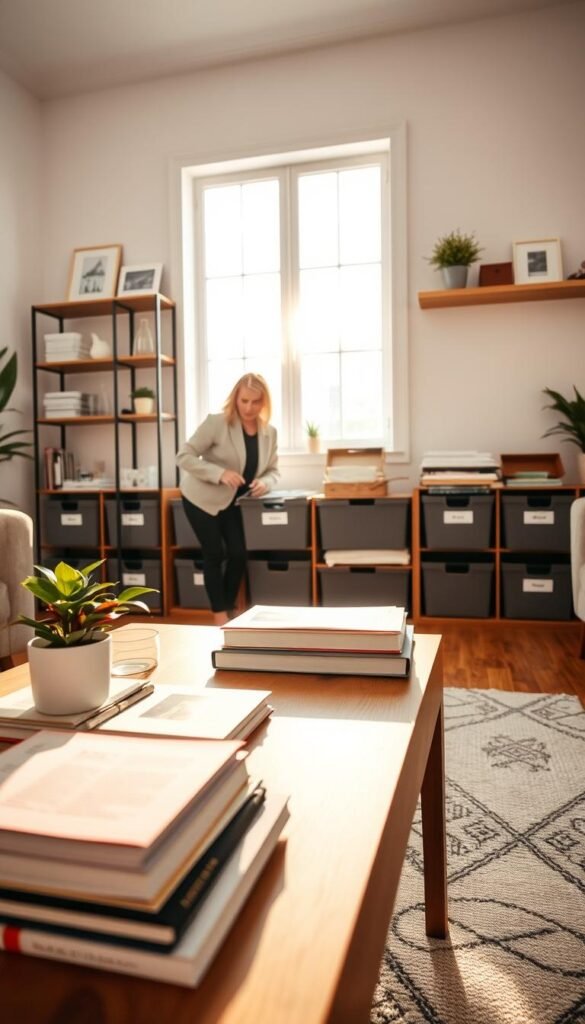
A simple idea: small areas, steady progress
Pick one zone per week. Some rooms need a full week. Others need just a few short sessions. The rhythm is kind to your schedule. Small sessions build momentum. You find duplicates. You free space. Your items become easier to spot and use.
Declutter first, clean second
Declutter first. Remove excess so cleaning is quick and simple. When fewer things remain, surface cleaning takes minutes. The process protects your time. It keeps you from all-at-once pushes that leave you tired.
- Zones are small. One room or a focused area.
- Rotate one zone per week to keep life steady.
- A gentle plan helps your space improve by the end of the month.
How to Use the Declutter “Zones” Method
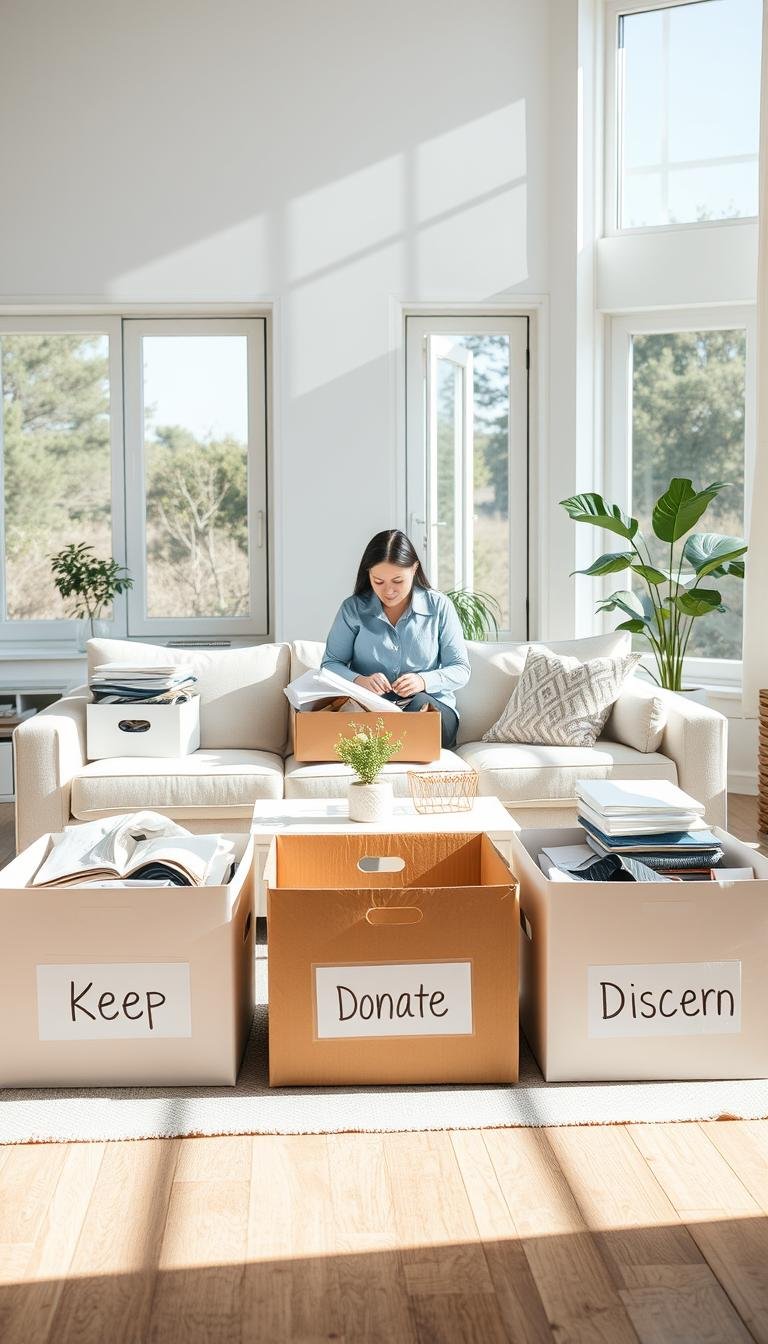
Start simple. Gather four labeled containers and give each thing a clear next step. This keeps choices fast. It saves time and energy.
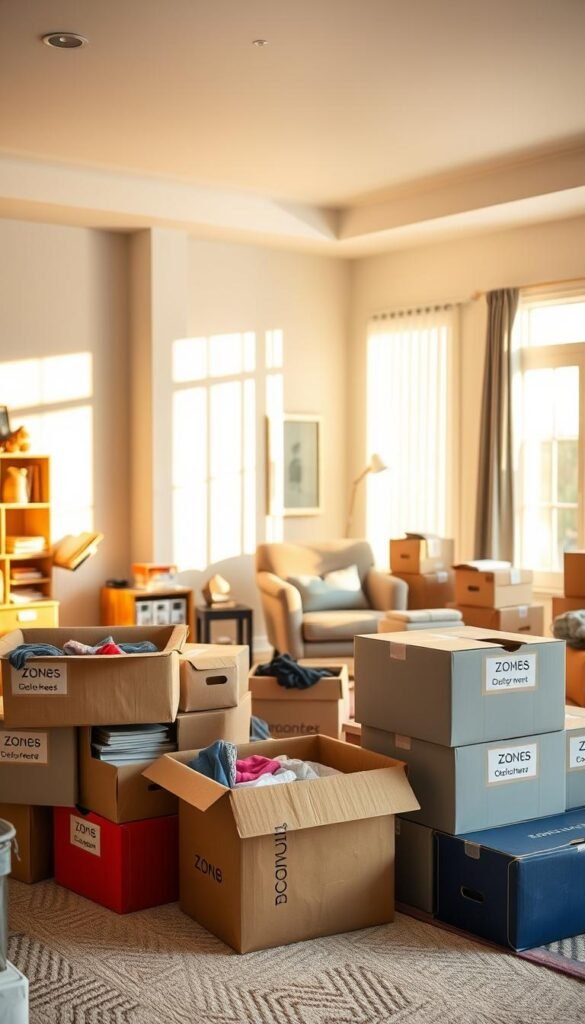
Set up the four-box routine: Trash for broken items. Donate for things you no longer use. Put Away for items that belong elsewhere. Maybe for things you want to review later. Keep the boxes near your work spot.
SOS: Simplify, Organize, Systematize. Simplify by working in short bursts of ten to fifteen minutes. Organize by giving every item a home near where you use it. Systematize with one tiny habit that prevents repeat messes.
- Ask quick questions: Would I buy this again today? Do I use it? Is it a duplicate?
- Try simple rules: 20/20 for low-cost replacements. 6/6 for items unused in six months.
- Use baskets and clear storage so putting things back is easy. Label shelves plainly.
Quick resets: A five-minute nightly sweep. Run the dishwasher at night and unload in the morning. Finish a small laundry task the same day. Keep a donation box in the garage and a bag in each closet for fast exits.
These steps help your home feel calmer. Small systems lead to steady wins. One short task a day protects your energy and your space.
Weekly Zone Map and Time Plans
A simple monthly map keeps tasks short and results visible.
Monthly rhythm and the weekly map
Follow a gentle monthly rhythm. Week 1: Entry/Dining. Week 2: Kitchen. Week 3: Bathroom + one room. Week 4: Bedroom. Week 5: Living room if it appears.
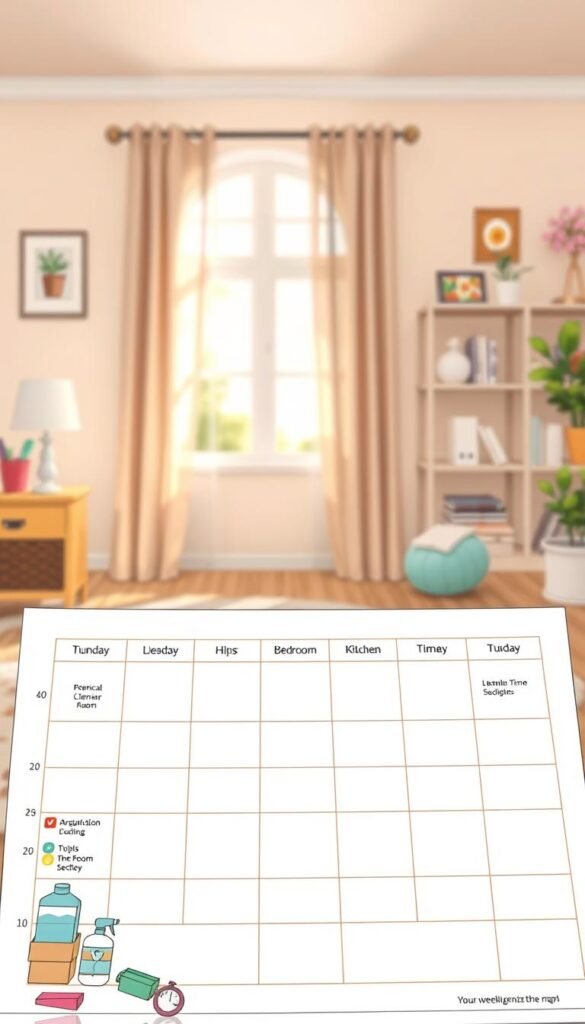
Time blocks that work
Use short sessions. Ten to thirty minutes per day is ideal.
Or do two short sessions per week. Many people choose 15 minutes on Monday and 15 on Saturday.
| Week | Primary area | Suggested session length |
|---|---|---|
| Week 1 | Entry / Dining | 10–15 minutes (quick tidy) |
| Week 2 | Kitchen | 20–30 minutes (clear counters, run dishwasher) |
| Week 3 | Bathroom + one room | 20–30 minutes (surfaces, small drawers) |
| Week 4 | Bedroom | 15–30 minutes (laundry flow, drawers) |
Daily, weekly, monthly routines
Keep a tiny daily routine. A quick evening reset helps. Run the dishwasher at night and unload in the morning. Surfaces stay clear.
Add one weekly routine. Ten to fifteen minutes for paper. Sort into Needs Action, Follow-up, File, and kids’ folders.
Hold one monthly pass. Walk each zone and trim extras. This keeps the whole system alive.
Mini checklists to keep you moving
- Set three to five small tasks per session.
- Stop when your time is up. Return next session.
- Post the zone map on the fridge or set a phone reminder.
Keep it flexible. Swap a week or shrink a session when life is full. The process supports you. Small, steady steps protect your space and your energy.
Room-by-Room Quick Wins and Soft Systems
Pick one quick task per room and feel the shift in minutes. Small actions add up. Choose gentle steps that protect your energy. Below are tiny wins you can do in short time blocks.
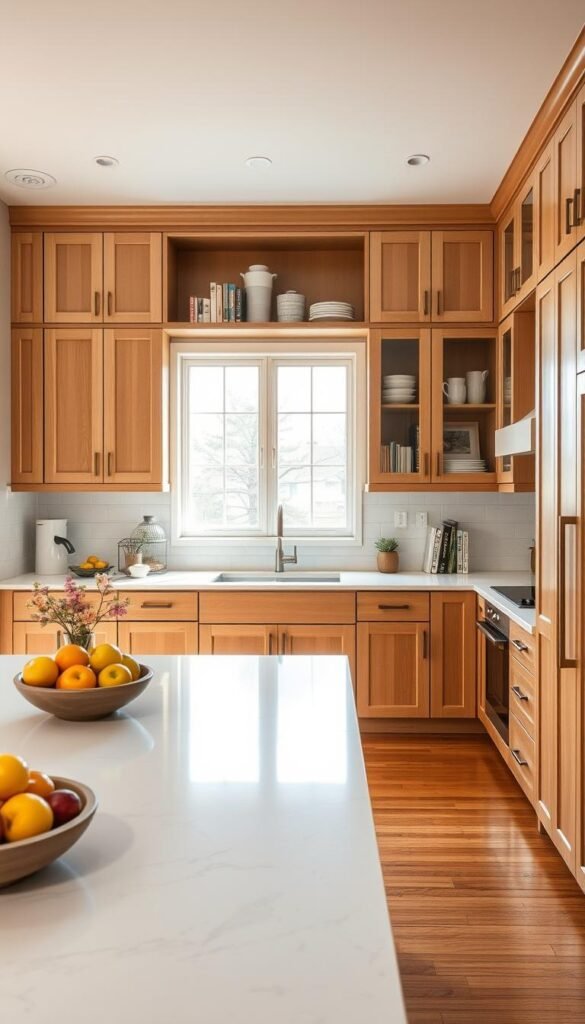
Kitchen and pantry
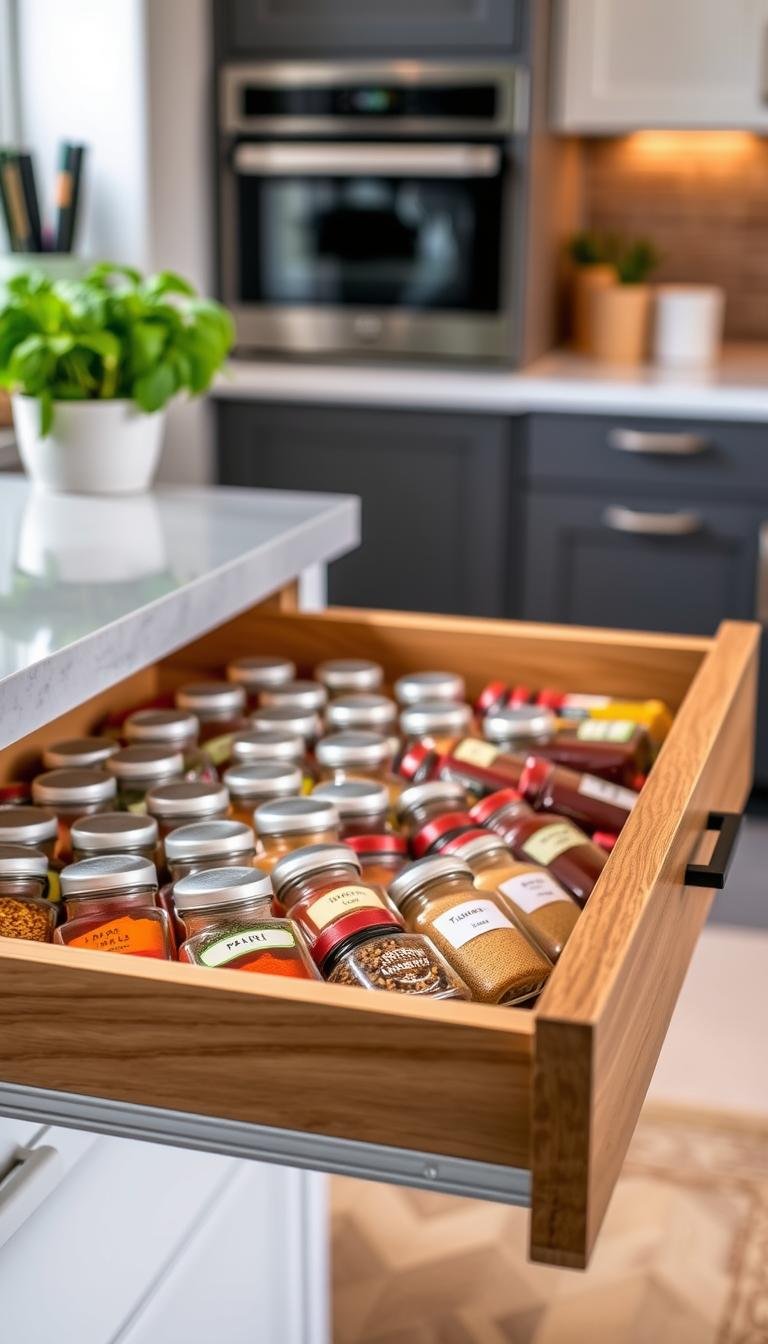
Clear counters first. Scrub the sink and tidy the coffeemaker. Group food by categories on one shelf. Load dishes during the day and run the dishwasher at night. Unload in the morning for instant space.
Bathroom basics
Empty one drawer. Wipe surfaces. Return only daily-use items. Clean the toilet and mirrors. Weekly, spend ten minutes trimming expired products and papers.
Bedroom and closet
Aim for half-empty drawers. Change pillowcases and wash sheets on a rhythm you keep. Keep a hamper near the closet. Wash, dry, and put away the same day to reduce pileups.
Living and dining room
Reset the coffee table. Wipe chairs and the table before dinner. Do a five-minute pick-up. Use a small tray for remotes, pens, and coasters to keep things tidy.
Entry, laundry, and outdoor touches
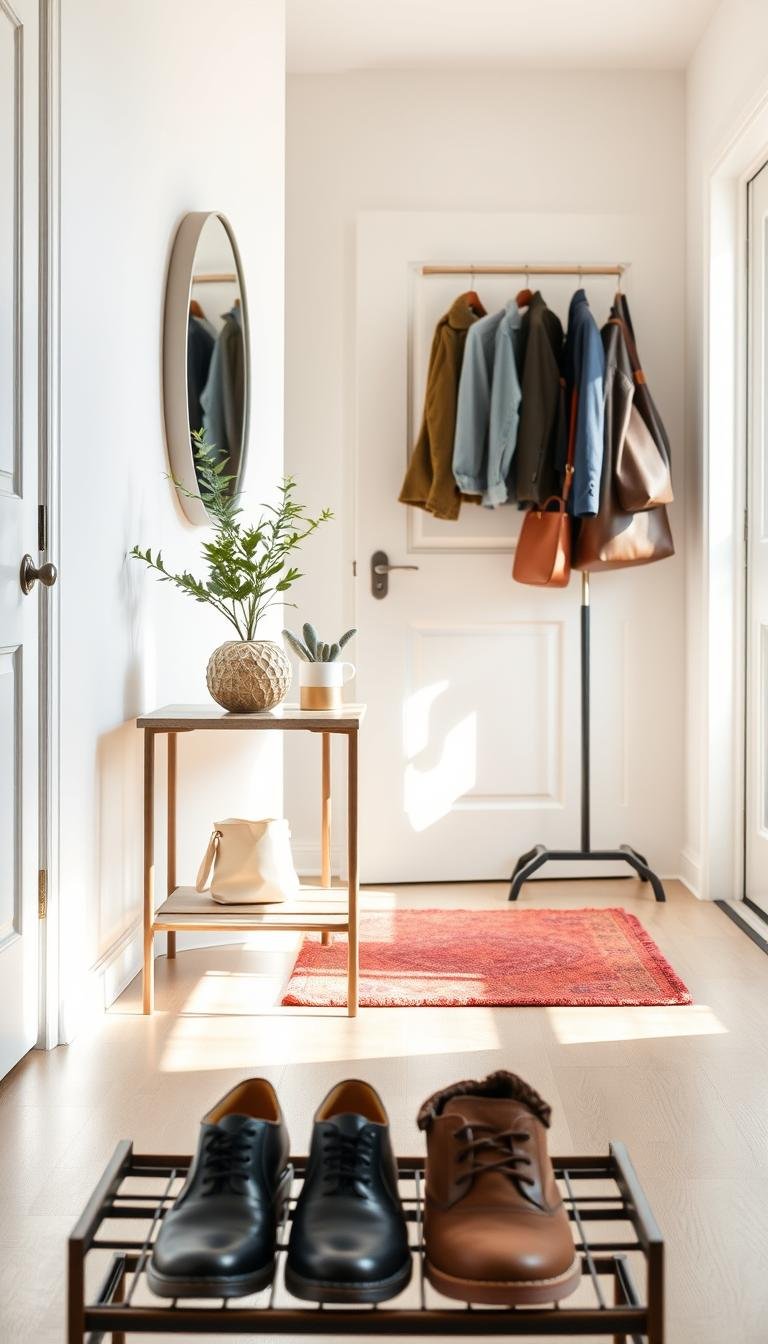
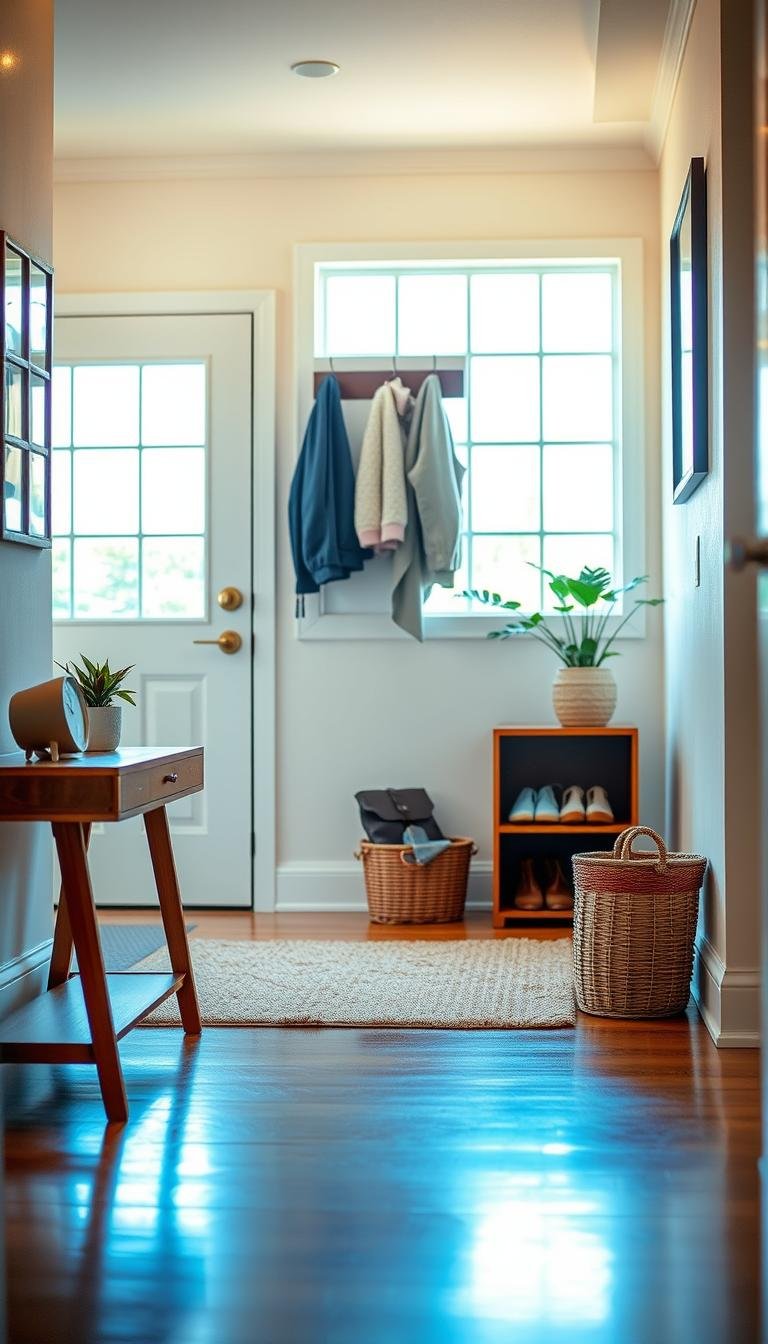
Give backpacks a home with hooks and one basket per person. Clean the lint trap each load. Create a detergent zone and wipe surfaces while the washer runs. Outside, sweep the porch and wipe furniture when you have a spare moment.
- Use clear storage and labeled baskets so everyone knows where items belong.
- Keep a visible donation container. Drop things in and move on.
- One small task per space is enough for today.
Conclusion
Begin with one tiny task and let steady steps build real change.
Pick one zone or a single room corner. Set a 10–15 minute timer. Use the four boxes and move each item once. This keeps decisions fast and gentle.
Keep a donation box ready. Do a nightly reset. Do paper for ten minutes once a week. Finish laundry the same day or in the morning. These simple routines protect your space and time.
Small repeats matter more than one big day. Follow the monthly rhythm and touch every area without a marathon. Share this post if you know someone who needs a calmer home.
FAQ
What is the basic idea behind the zones approach?
It breaks your home into small areas you can handle in short bursts. You focus on one spot at a time. This keeps tasks manageable. It builds momentum without pressure.
How do I start if my home feels overwhelming?
Pick a single area. Set a timer for 10–20 minutes. Use four boxes: trash, donate, put away, maybe. Make quick decisions. Celebrate small wins. Repeat the next day.
What should I put in each of the four boxes?
Trash for broken items. Donate for things in good shape but not used. Put away for items that belong elsewhere. Maybe for things you need to test or decide on later.
How often should I work a zone?
Aim for short sessions daily or two focused sessions weekly. Use a monthly map: entry/dining, kitchen, bathroom plus one room, bedroom, living, and so on. Keep it simple and steady.
How do I keep progress from slipping back?
Build mini routines. Quick resets each evening. Labels and baskets help. Put donation items in a dedicated spot so they leave the house quickly. A five-minute tidy prevents buildup.
What questions help me decide what to keep?
Ask simple, kind questions. Have I used this in the last year? Does it bring me comfort or function? Will I look for this soon? If the answer is no, consider letting it go.
Can this work for small spaces or busy schedules?
Yes. The method is made for short bursts. Ten minutes can change a shelf. Consistency matters more than long sessions. You’ll see steady change without major disruption.
How do I handle sentimental items?
Be gentle. Limit sentimental keepsakes to a small, clear container. Tell yourself you can keep memories without keeping everything. Take photos of items you’re not ready to keep physically.
What tools make this easier?
Baskets, clear bins, labels, a simple checklist, and a donation box or bag. A timer helps you stay focused. Keep supplies handy in a small kit for each session.
How do I set up a donation flow so items actually leave?
Place donations in a clear, reachable spot near an exit. Schedule a weekly or biweekly drop-off or pickup. Treat donations like errands to complete. This prevents a buildup of “should give” piles.
How do I adapt this to the kitchen and pantry?
Clear counters first. Group like items. Toss expired food. Use containers for categories. Create an end-of-day routine like running the dishwasher and wiping surfaces to keep the zone calm.
What quick wins work in the bathroom?
Remove empty bottles. Clear surfaces. Tidy drawers in ten minutes. Keep a small daily wipe-down routine for mirrors and counters. Store extras out of sight in labeled bins.
Any tips for bedroom and closet maintenance?
Aim for half-empty drawers. Use a same-day laundry rule. Fold or hang clothes right away. Seasonal edits once a month keep the closet manageable.
How can living and dining rooms stay tidy with kids or guests?
Create simple pickup habits. Have a catch-all basket for toys or remotes. Do a five-minute reset each evening. Keep high-traffic surfaces clear and easy to wipe down.
What should an entryway system include?
Hooks for coats. Baskets for shoes and bags. A mail folder for incoming papers. A small table or shelf for keys. A weekly review helps prevent pileups.
How do I maintain laundry and utility areas without overwhelm?
Keep supplies grouped. Clean the lint trap regularly. Put a small basket for items that need mending or donation. Aim to finish laundry the same day it’s washed.
Is outdoor space part of the plan?
Yes, optionally. Sweep porches. Wipe outdoor furniture. Do light pruning in season. Treat it like another small zone with short, seasonal tasks.
How long before I notice real change?
You’ll see small wins right away. Bigger shifts in a few weeks. Consistent short sessions lead to lasting calm. Be patient and kind to yourself as you build new habits.