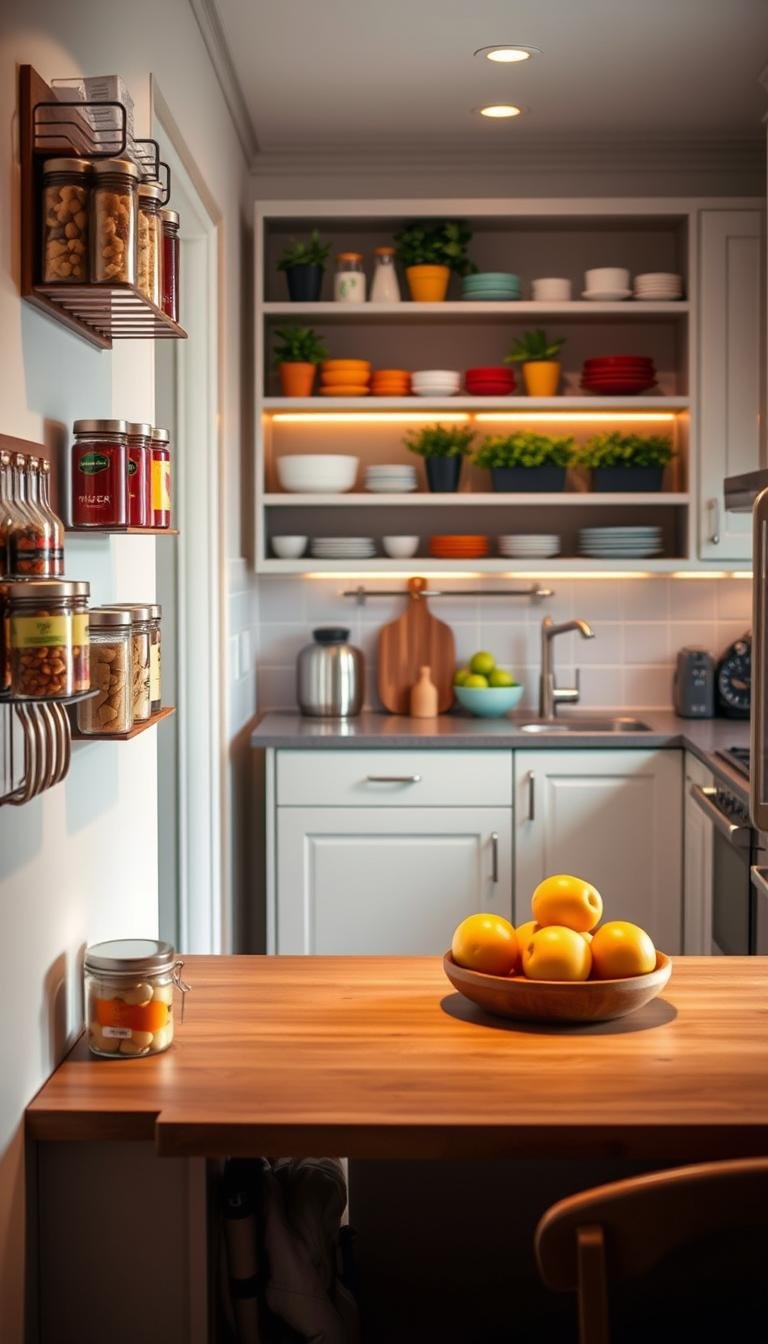
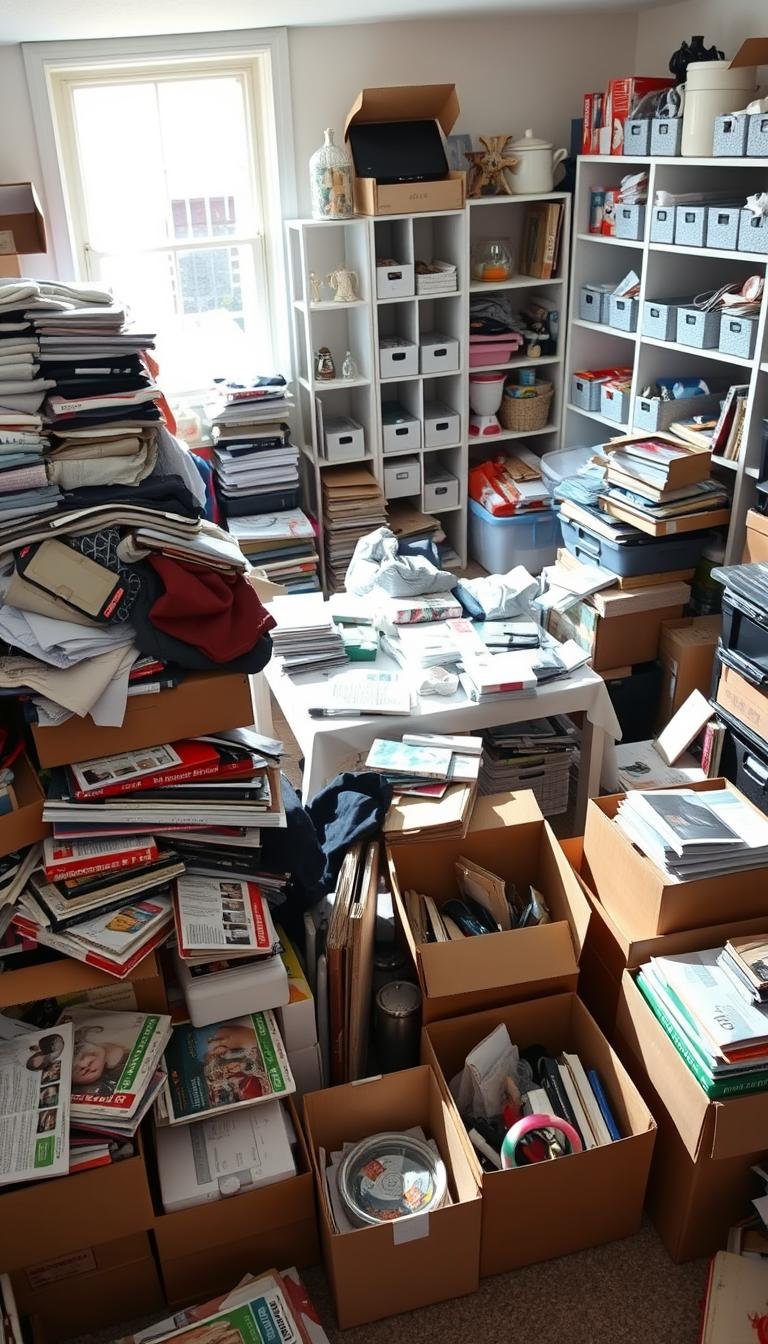
Decluttering Mistakes to Avoid
You are busy. You want a calmer home without stress. Simple routines can save you time and energy. Small steps make lasting change.
Start with a clear goal. Pick one place or one category. Do not try to do everything at once. Edit before you buy storage. This protects your space and your budget.
Follow a gentle process. Use a timer to move with care. Schedule donation drop-off on the same day. Experts say the “used in a year” guideline helps decide what to keep.
We will share room-by-room advice and soft fixes. Learn the wardrobe wins: edit first, add slim hangers and drawer dividers. These small items change how a place feels.
Key Takeaways
- Set a clear, simple goal before you start.
- Work one room or one category at a time.
- Edit before you invest in storage solutions.
- Use short routines: daily resets and weekly zones.
- Finish decisions the same day and schedule donation drop-off.
Start Smart: Avoid All-at-Once Purges and Fuzzy Goals
Big projects overwhelm. Small steps restore calm. Start with a clear aim. Pick a single room or one category to keep focus and protect your time.

Set a clear goal: room or category, not the whole home
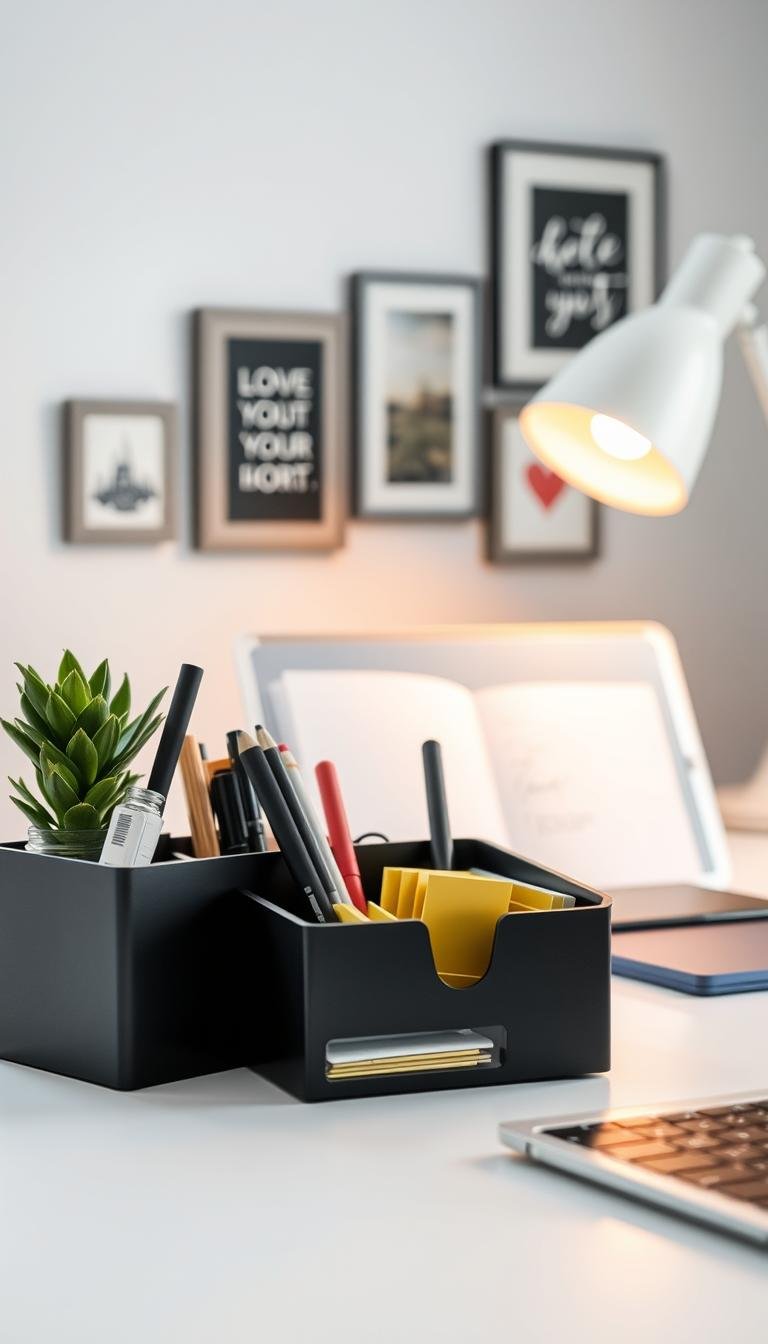
Set one simple target. Write it on a sticky note. Example: “Edit bathroom products” or “Sort sports gear.” This keeps decisions fast and steady.
Begin small: one shelf, one drawer, ten minutes
Start with one shelf or one drawer. Give yourself ten minutes. Short sessions build momentum and reduce dread.
- Choose an area that feels easy today. Storage spots hide unused items, so they are a calm place to begin.
- Use a simple method: remove items, wipe the space, then return only what you use now.
- Keep a trash bag and a donation bag close. One for broken things. One for items that can help others.
- Ask, “Did I use this in the last year?” If not, let it go kindly.
“Ten focused minutes in one area will change how your space feels.”
When the timer ends, stop. Celebrate the small win. One finished area makes the next one easier and steadier.
Decluttering Mistakes: Buying Storage Before You Edit
Buying containers first often creates “organized clutter” that takes over your shelves. Pause before you shop. Edit first.
Edit first, measure second, then choose storage solutions. Empty the target area. Sort items into keep, donate, recycle, and trash. Only the keep pile earns a place.
After the purge, measure shelves and drawers. Make a short list of sizes and counts. This saves money and space. It prevents buying boxes you do not need.

- Swap mismatched hangers for slim velvet hangers after you purge.
- Add drawer dividers only when you know each section’s purpose.
- Test one solution. Review in a week and tweak; don’t buy more.
| Simple Solution | When to Buy | Key Benefit |
|---|---|---|
| Slim velvet hangers | After wardrobe edit | Saves rail space and grips clothes |
| Drawer dividers | When drawer contents are sorted | Keeps categories clear and easy to reset |
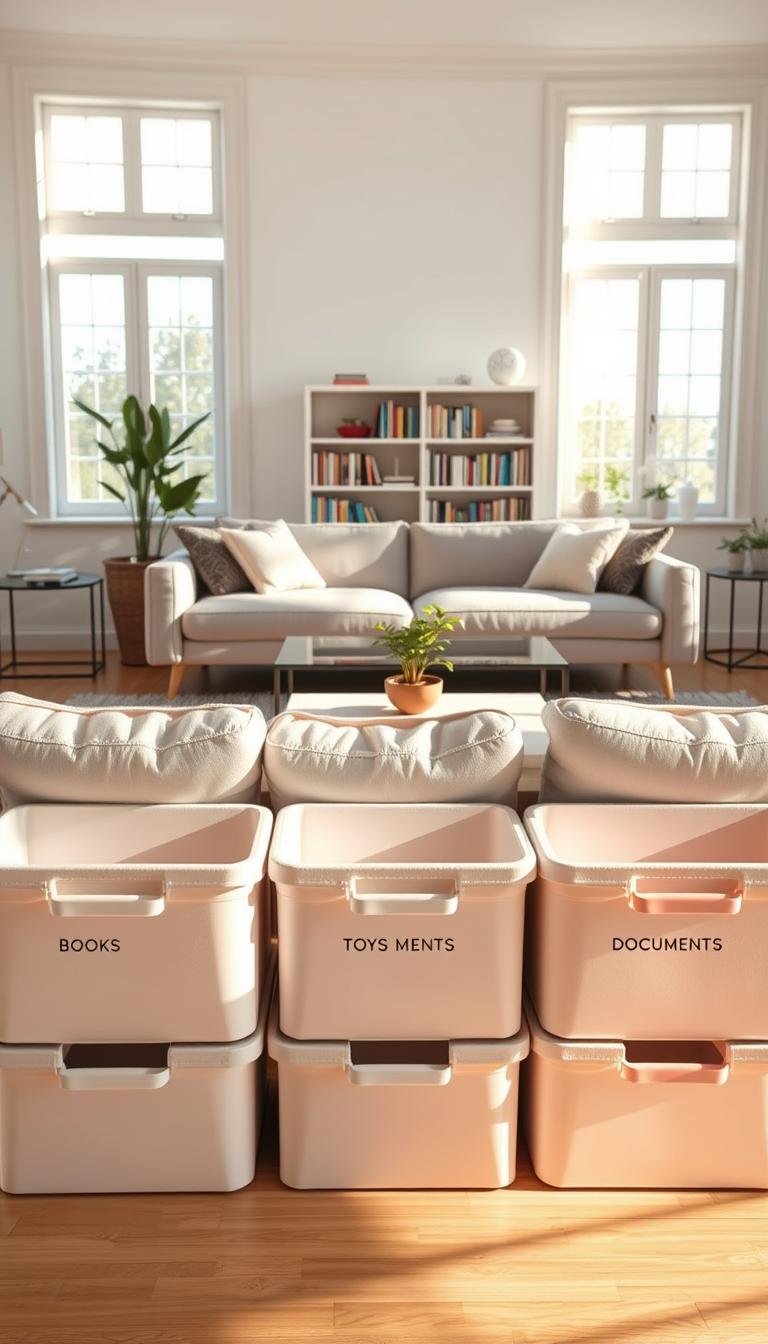
| Clear bins with labels | When you know item sizes | Simple view and soft labels for quick finds |
Mindset Traps: “Just in Case,” Sunk Costs, and Sentiment
When you change the question you ask, decisions get easier. A small mental shift helps you keep what truly fits your life now. Use calm, kind prompts instead of pressure.
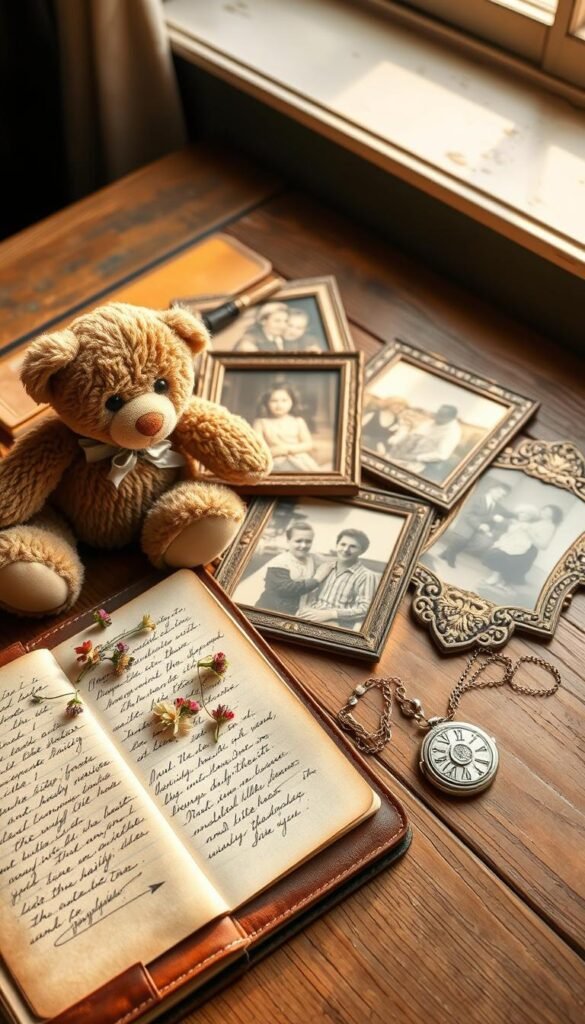
Kind decisions: keep what you use and love right now
Shift your focus. Ask, “Do I need this in my life today?” If the answer is no, letting go can free space and energy. The one-year rule helps for non-sentimental items: if you did not use it in the last year, it likely does not earn a place.
Limit keepsakes: one box per room, no endless “maybe” pile
Set a gentle boundary. One keepsake box per room keeps memories tidy. Skip the “maybe” pile. Decide yes or no. You will feel lighter.
- Remember sunk cost. What you paid before does not need to decide now.
- Be real about resale. Most things sell for far less than you expect. Your peace is worth more.
- For gifts you never used, keep the thought and release the item with thanks.
- An expert tip: decide what earns a place first, then store it where it supports daily flow.
“Celebrate what stays. It tells the story of your current season.”
Process Pitfalls: Gimmick Challenges, Panic Tossing, and Donation Delays
Challenges can spark action, but real progress comes from a steady plan.
Swap short-lived stunts for a category method with clear checkpoints. Work by category or by one small area. Give each zone a start and a finish. This keeps the job focused.

Use gentle checkpoints and a simple decision set
Set easy checkpoints after each small zone. Pause. Note what worked. Tweak the method next round.
Keep one clear decision set: keep, donate, recycle, trash. No “maybe.” This speeds choices and limits regret.
Timers, scheduling, and finishing the task
Use a timer for ten or fifteen minutes. Short bursts defeat indecision and save time.
Before you start, book a pickup or plan a same-day drop-off. Make sure donations leave quickly. Label bags as you go to avoid mix-ups.
“Pause before you get rid of unique or costly pieces. Sleep on big calls if needed.”
| Common Pitfall | Quick Fix | Why it helps | Top tip |
|---|---|---|---|
| Gimmick challenges | Switch to category edits | Ensures complete review of items | Set clear start/finish |
| Panic tossing | Use decision set + pause | Prevents regret and repurchasing | Sleep on major items |
| Donation delays | Schedule pick-up before you begin | Keeps donations moving out fast | Label bags and book service |
- Choose a category or small area.
- Set a timer for 10–15 minutes.
- Sort with the four decisions.
- Label bags and schedule donation removal.
- Reset the space and note what to repeat.
Closet and Wardrobe Woes: What the Experts See Most
A crowded wardrobe tells the story of daily friction. Small problems add up. Each snag adds time and stress to your morning.

Stacked shoe racks on the floor make hems touch dirt and hide rows above. Edit shoes first. Keep the floor clear or move overflow to a shelf. You will protect long skirts and make shoes visible.
Overloaded shelf organizers
When hanging shelves sag they spill items. Lighten the load. Keep only a few folded pieces per cubby. Better visibility reduces daily rummaging.
Wedged drawers and mixed categories
Drawers packed with different things blur categories. Edit to reduce the lot of extras. Then add drawer dividers. Give each drawer one purpose. Tees in one. Workout wear in another.
Mismatched hangers
Plastic and wood hangers let things slip. After you edit, swap to slim velvet hangers. They save rail space and keep clothes in place. Keep a few sturdy wooden hangers for heavy coats.
- Face hangers the same way to rotate favorites.
- Store scarves on thin velvet hangers or a low rail.
- Review seasonally and move off-season items elsewhere.
“Small fixes after editing lock in daily calm.”
Room-by-Room Easy Wins: Kitchen, Pantry, Bathroom, Bedroom, Closet, Entryway
Small room wins add calm fast and keep momentum going. Use simple systems you can keep. Focus on quick routines and clear decisions.
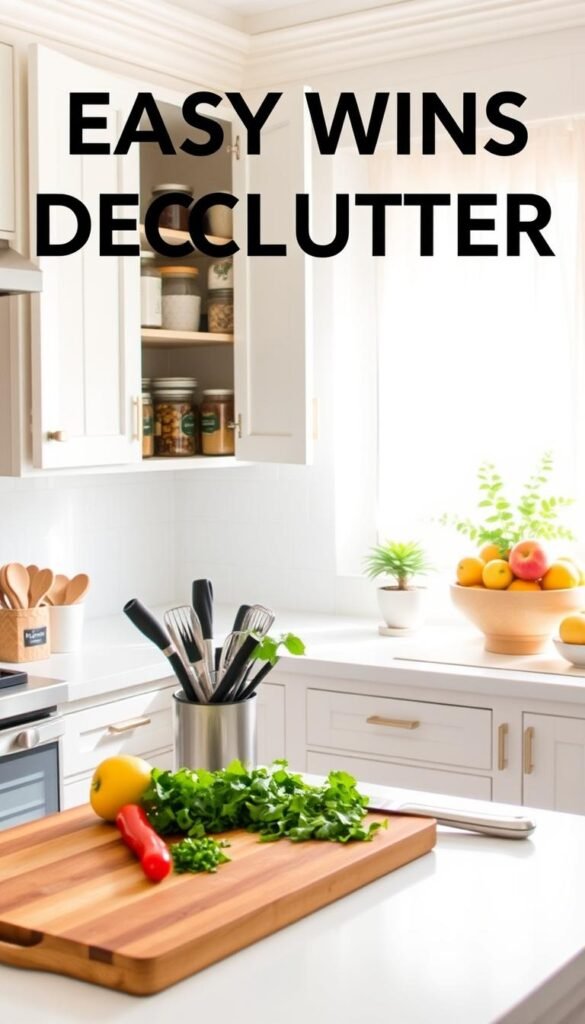
Kitchen
Edit duplicates. Keep the best tool and donate the rest to free space quickly.
Set daily access zones. Coffee, knives, and prep gear stay near where you use them.
One-minute counter reset after dinner keeps the room ready for morning.
Pantry
Check expiry dates and look for 6M/12M/24M marks on opened items.
Decant only after you edit and measure. Use clear jars and simple front labels.
Bathroom
Remove old products and samples. Group by use: daily, weekly, travel.
Give each person one small basket. It keeps items tidy and easy to grab.
Bedroom & Closet
Clear nightstands. Keep only lamp, book, and water in place.
Use a soft landing spot for clothes. A hook or basket stops chair piles.
Try one-in-one-out for clothes. Group by season and front-load favorites.
Entryway
One hook per person. Limit shoes by pair count at the door.
Do a five-minute reset each evening. It welcomes you home and prevents clutter.
| Room | Quick Win | Daily Habit |
|---|---|---|
| Kitchen | Remove duplicates | 1-minute counter reset |
| Pantry | Check expiry & decant | Label jars after edit |
| Bathroom | One basket per person | Wipe surfaces weekly |
| Entryway | One hook & shoe limit | 5-minute evening tidy |
“Small, steady steps in each room keep your home calm.”
Simple Routines: Daily, Weekly, Monthly Systems That Stick
A steady rhythm makes upkeep feel easy and calm. Life is busy. Small routines keep your home peaceful without big projects.
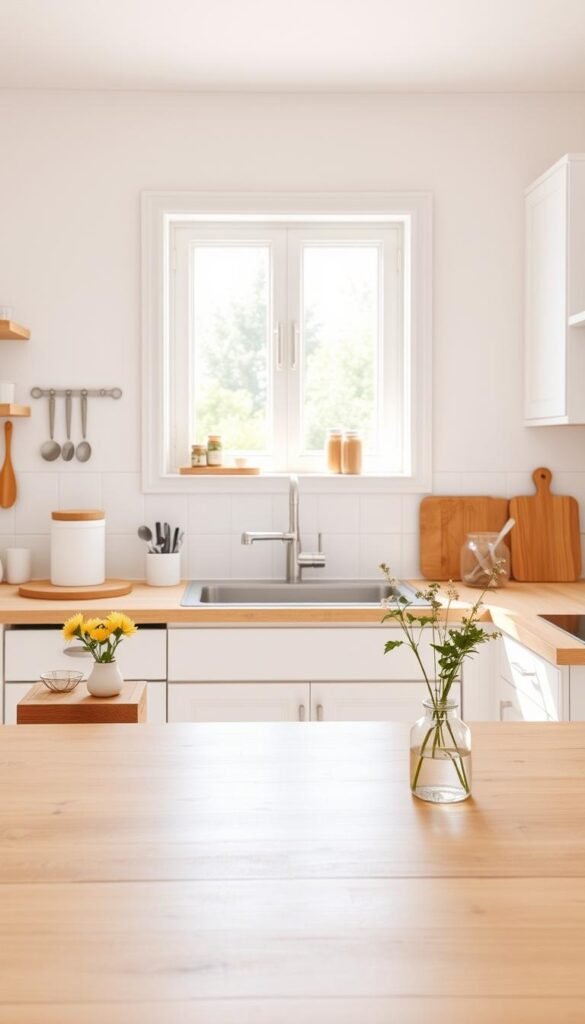
Daily habits that take minutes
Five-minute reset. After dinner clear counters, quick sweep, and load the dishwasher. This makes your kitchen ready for morning.
One-touch rule. When you pick something up, put it back in its place once. This stops piles of stuff from forming.
Return-to-place. Keep a tray by the door for keys, bags, and mail. It gives fast access and fewer moments of searching.
Weekly steps to keep momentum
Choose one room and spend 15–30 minutes on a shelf, one bin, or two drawers. Small work has a big payoff.
Take the donation bag out the same day you fill it. That closes the loop and prevents guilt piles.
Do a quick shelf check in the pantry and bathroom. Rotate open items front to back. Use older items first.
Monthly and seasonal checks
Each month sweep a category. Clothes one month. Paper the next. Bathroom items in another. This steady process keeps things current through the months and year.
Adjust storage only after you edit. Add or remove a drawer divider or bin when you see the real need.
“Short, kind routines make order effortless over time.”
- Keep routines short. Timers help with decisions.
- Review kitchen stations each season for holiday prep and school shifts.
- Small, steady habits protect your space and your time.
Conclusion
You can win back calm with short, steady actions each day.
Start small. One clear goal and ten calm minutes is a smart way to begin the job. It beats a full weekend push and keeps your home moving toward ease.
Always edit before you buy. Choose storage solutions only after you know what stays. Timers and a simple decision set make the process kind and quick.
Limit sentiment to a small box. When you get rid of things, schedule donation pickup the same day. Tackle top problem areas first. Closets, kitchen zones, and the entryway give a lot of peace per minute.
Follow this gentle advice. Small, steady steps will keep clutter low and help your homes feel lighter. You have this.
FAQ
What’s the first step to avoid doing it all at once?
Start with a clear, small goal. Pick a room or a category — not the whole house. Set a ten‑ or twenty‑minute timer and focus on one shelf, one drawer, or a single pile. Little wins build calm momentum.
Should I buy bins and boxes before I start?
No. Edit first. Measure the space after you remove excess. Then select storage solutions that fit. This prevents wasted purchases and makes your systems truly useful.
How do I handle items kept “just in case”?
Be gentle with yourself. If you haven’t used something in a year, it’s probably safe to let it go. Limit keepsakes to one box per room. That keeps memories, without creating clutter.
What’s a practical way to stop panic tossing or indecision?
Use a timer and a simple category method. Work by type — shirts, papers, shoes — and set short checkpoints. This slows frantic clearing and helps you make steady, kind choices.
How can I avoid buying the wrong hanger or drawer system?
Wait until after the edit. Then choose slim velvet hangers and drawer dividers for a neat, low‑bulk look. Measure first. Simple, proven pieces usually work best for real life.
What common closet problems do experts see most?
Experts often spot stacked shoe racks that damage hems, sagging hanging shelves, overstuffed drawers with no categories, and mismatched hangers. Fix these with proper hangers, defined zones, and a little letting go.
Any quick wins for the kitchen and pantry?
Yes. Edit duplicates, create a daily‑access zone for everyday tools, and set a quick reset routine. For the pantry, check expiry dates first, then decant and label only after you’ve pared back.
How should I manage bathroom products and toiletries?
Remove expired or unused items. Group what’s left by use and keep a small basket per person. This keeps counters calm and makes routines faster.
What’s a realistic rule for bedroom and closet maintenance?
Try a soft one‑in‑one‑out rule and keep seasonal categories. Clear nightstands each evening. Front‑load favorite items so daily dressing feels simple and calm.
How can the entryway stay useful and tidy for busy families?
Give each person one hook and a sensible shoe limit by pair count. A five‑minute nightly reset gets things back in place. Keep essentials visible and everything else out of the landing zone.
What daily habits actually stick without adding stress?
Short routines. Five‑minute resets, the one‑touch rule, and returning items to their place each time. Small, consistent acts keep spaces calm with little effort.
What should I do weekly and monthly to maintain progress?
Weekly, focus on one room, take the donation bag out, and do a quick shelf check. Monthly, sweep a category like clothes or papers. Adjust storage as needs shift.
How do I handle sentimental items without feeling guilty?
Be kind and selective. Keep a limited keepsake box. Photograph items you won’t store but want to remember. This honors memories while easing physical load.
I struggle with deadlines and perfectionism. Any advice?
Let go of “perfect.” Aim for progress. Set small, timed sessions and celebrate completed areas. Gentle, repeatable steps beat one big, stressful push every time.
How do I make donations leave the house quickly?
Schedule pick‑up or drop‑off immediately. Keep a visible donation bag and set a calendar reminder. Prompt action prevents second thoughts and reclaiming of space.