Minimalist Home: 20 Rules to Simplify Your Life
You are busy. You want calm. You want clear surfaces and a few trusted things that make daily life easier.
These pages offer gentle rules, short checklists, and step-by-step systems. They fit real schedules. They respect your time and need for low friction.
You will learn simple tips for quick daily resets. You will find weekly and monthly rhythms that hold progress steady. Room-by-room examples cover kitchen, pantry, bathroom, bedroom, closet, and entryway.
Expect tiny, doable habits. Expect a focus on quality over quantity and designs that keep chores fast. No guilt. No complex cleaning science. Just calm systems that protect your focus and make your house easier to care for.
Key Takeaways
- Simple rules make your space feel lighter without perfection.
- Short checklists fit busy days and save time.
- Small daily resets reduce stress fast.
- Weekly and monthly routines keep change steady.
- Room-by-room setups make systems stick.
Why a Minimalist Home Feels Calmer and Lighter
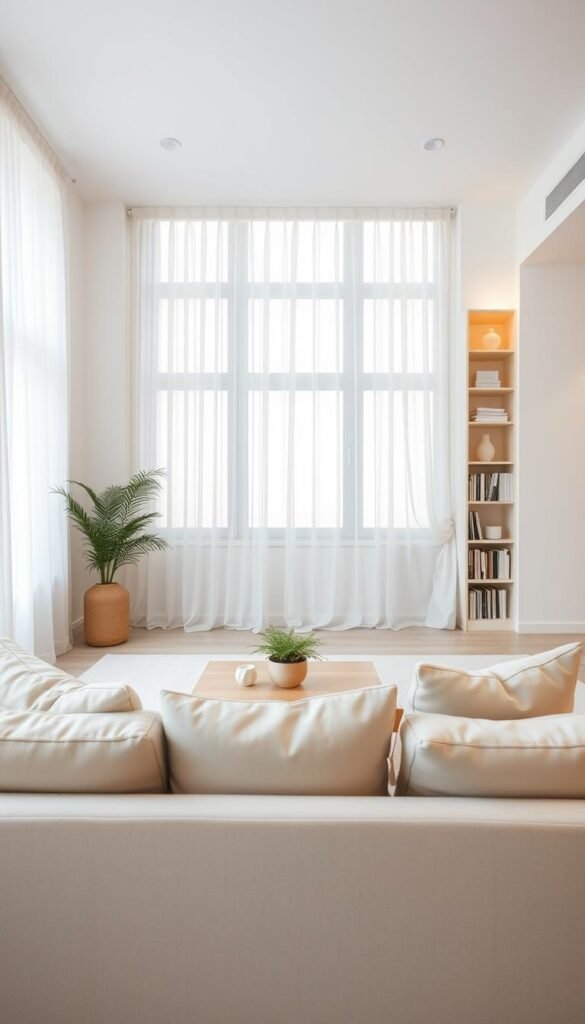
A well-edited room calms the mind and makes everyday living feel lighter. Clutter pulls at your attention. Removing it lowers stress and helps you relax faster.
Faster cleaning. Fewer objects mean fewer surfaces to dust and move. An empty room takes minutes to tidy compared with a crowded one. You win back small blocks of time each day.
Find things without the hunt
Americans lose roughly 2.5 days a year looking for misplaced items. When each object has a clear home, keys and chargers are easy to find. That saves both time and replacement costs.
Appeal and value
Clear walls and edited surfaces let guests and buyers imagine their own life in the space. A few loved pieces of art add personality without chaos. Simple rooms read inviting and cared for.
- Less visual clutter means your brain processes less and feels calm.
- Open pathways reduce trips and make daily living easier.
- With less to maintain, you reclaim evenings for rest and family.
Set Your Vision: Define Just Enough for Your Life
Picture the small moments at home you want to protect—then build around them.
Create your “why.” Write one clear sentence about what you want more of: play, rest, beauty, or function. This becomes your guiding line when you decide what stays.
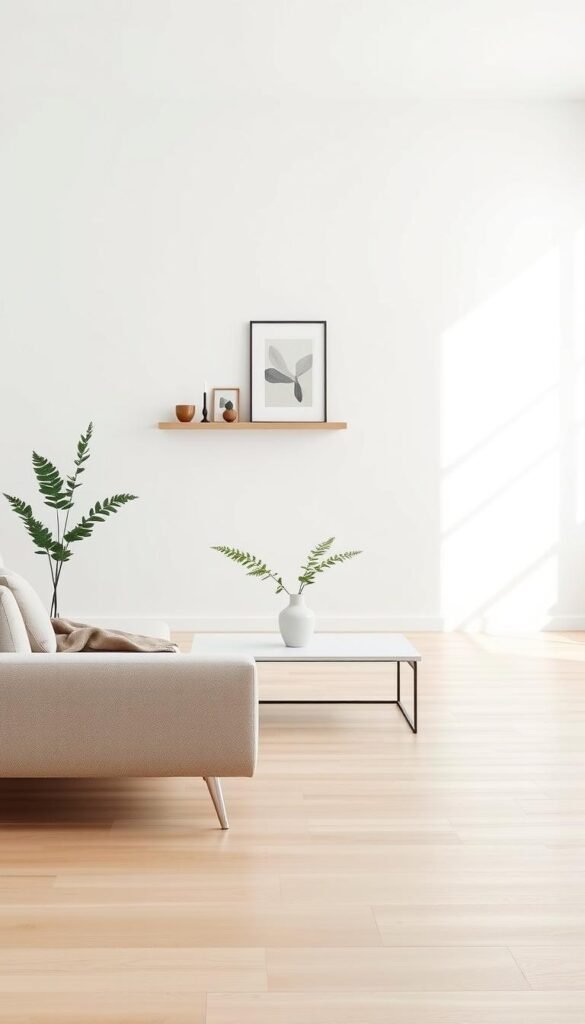
Create your “why” and house goals
Start with purpose. Ask: what should this house do for our family? Answer in a short list. Keep it personal. No trends. No guilt.
Design, not dogma: lifestyle over aesthetic
Let design follow need. Choose what helps your life. Aim for balance. Keep things that earn their place by use or joy.
Write a short list: play, rest, beauty, function
Try a one-page plan. Use four headings: Play, Rest, Beauty, Function. Under each, list one clear goal and one small habit.
“Your home should be the antidote to stress, not the cause.”
- Pick three rooms to focus on first.
- Define “just enough” for daily living.
- Set a tiny metric: five-minute resets.
Tiny exercise: Spend five minutes writing what you want more of. Tape that page to the fridge. Revisit monthly. No perfection. Just clarity and a simple way forward.
Decluttering Made Gentle: Start Small, Build Momentum
Begin where the mess bothers you most and let quick wins pave the way. A tiny success calms the brain. It makes the next step easier.
Step-by-step flow
- Pick a small spot. A junk drawer or one shelf is perfect.
- Set a timer for 10 minutes. Work one burst at a time.
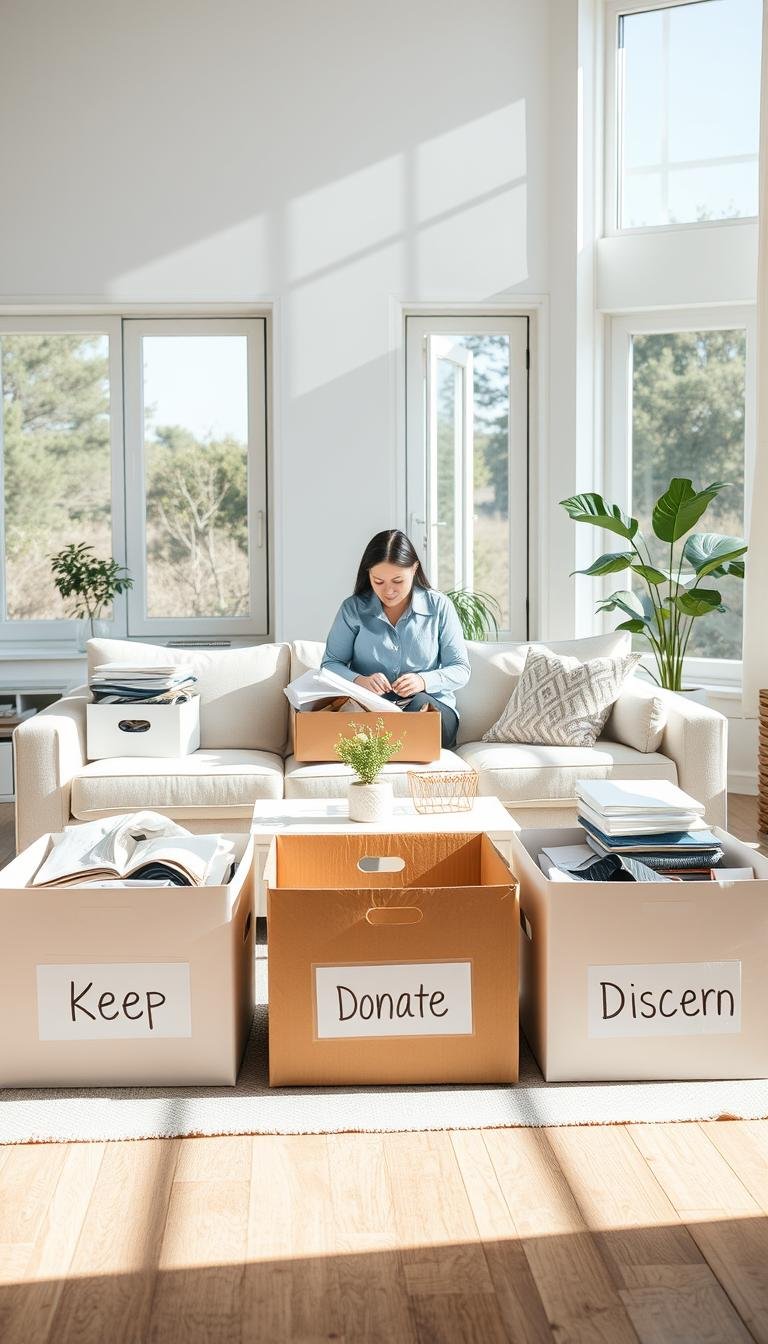
- Sort into four piles: keep, donate, recycle, trash. One pass only.
Decide with kindness
If you can’t decide, use the box test. Box the undecided stuff. Label with a date. Revisit in 3–6 months.
Remember memory, not clutter
Photograph sentimental things so the feeling stays while the objects leave. This is a gentle way to keep a memory without physical overload.
Support and small habits
- Tackle the most annoying spot first for instant relief.
- Remove donation bags the same day to protect momentum.
- Try one small example a day—five mugs or one shelf.
- Read a short book or guide for motivation, then act on one tiny tip.
“Small, timed bursts beat big, vague plans.”
Minimalist Home Rules for Daily Living
Tiny habits win on busy days. Use short routines that fit real schedules. These keep order without extra work.
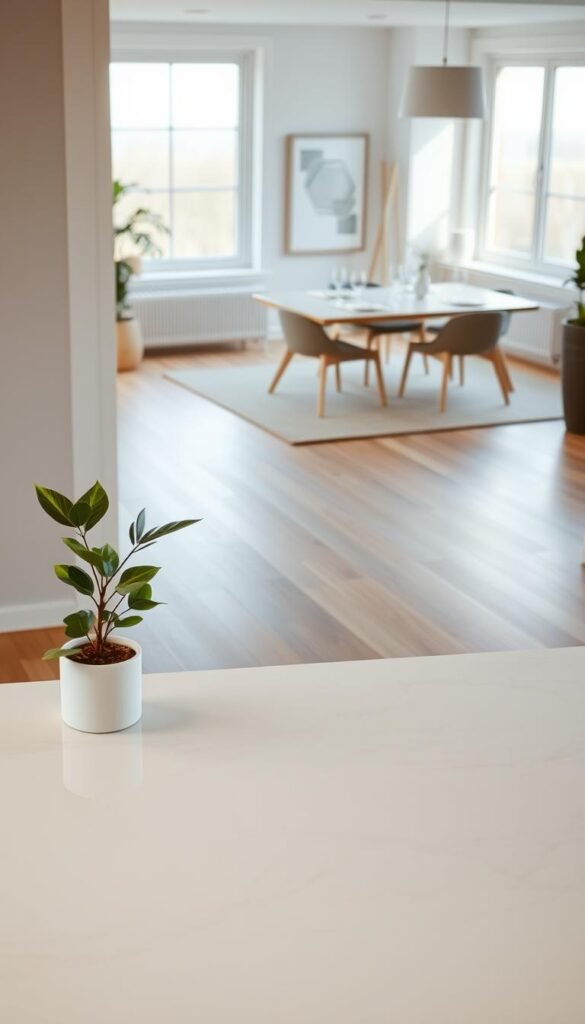
Daily reset: clear floors, clear surfaces
Do a five-minute day-end reset. Clear floors. Clear surfaces. Restore one room so mornings feel lighter.
One-in, one-out habit
When a new item enters, remove a similar one. This keeps volumes steady. Try it for clothes, books, and kitchen tools.
Pause before replacing
Wait a week before you buy a replacement. Live without it first. Many things prove optional.
Keep relaxation zones sacred
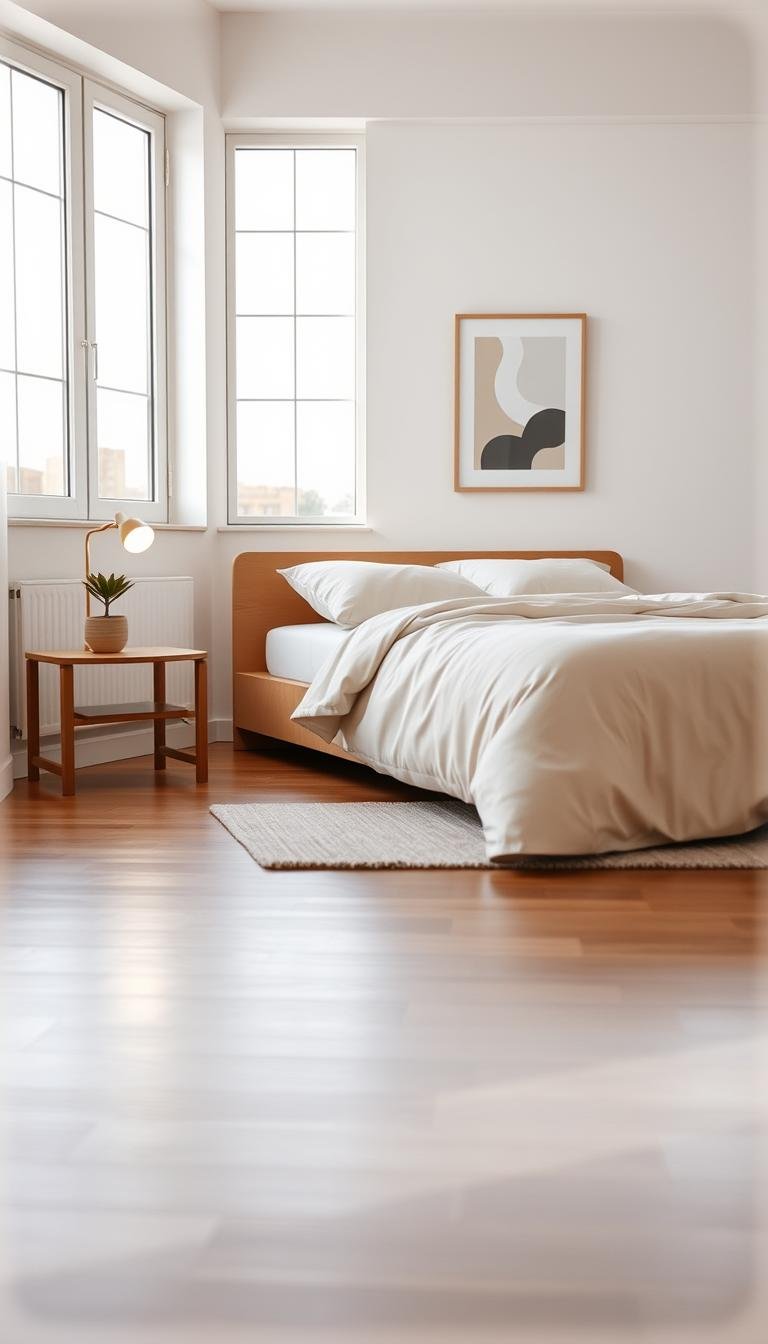
Protect bedsides and the sofa corner. Keep these places clutter-free. A calm nightstand supports better sleep and easier mornings.
- Five-minute reset: clear floors, tidy surfaces, one quick restore.
- Keep a donate bag by the door. Drop in two things a week.
- Use micro-homes: a tray for remotes, a hook for keys, a bin for mail.
- Two-minute morning sweep for surfaces to start the day in peace.
- Post one weekly tips list on the fridge so the family follows the same gentle rules.
“Small, repeatable actions protect your calm and save time.”
Room-by-Room Examples: Easy Systems That Stick
Design easy anchors in every room so resets take minutes, not hours. Start small. Pick one area. Use simple tools near where you act.
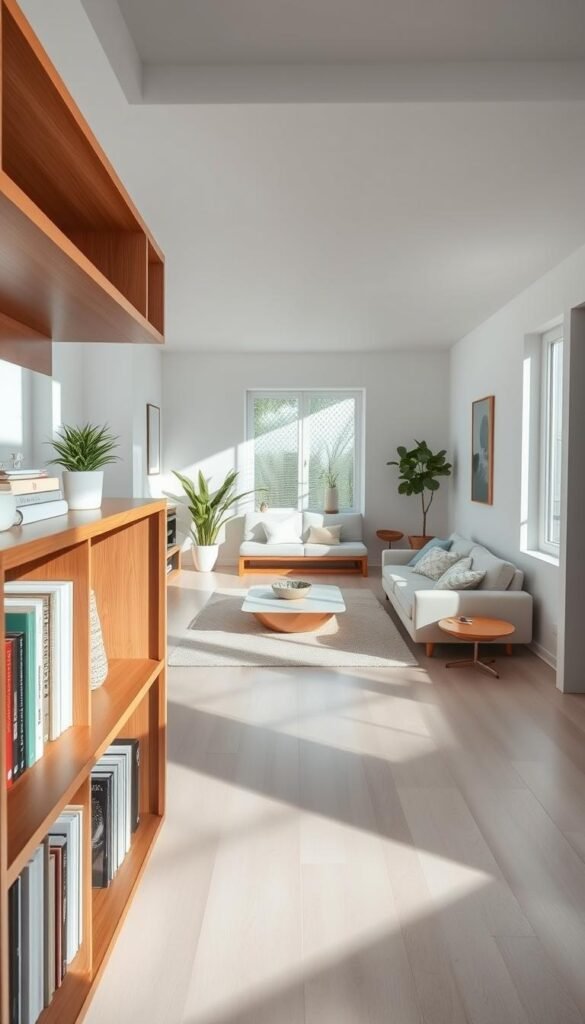
Kitchen & pantry
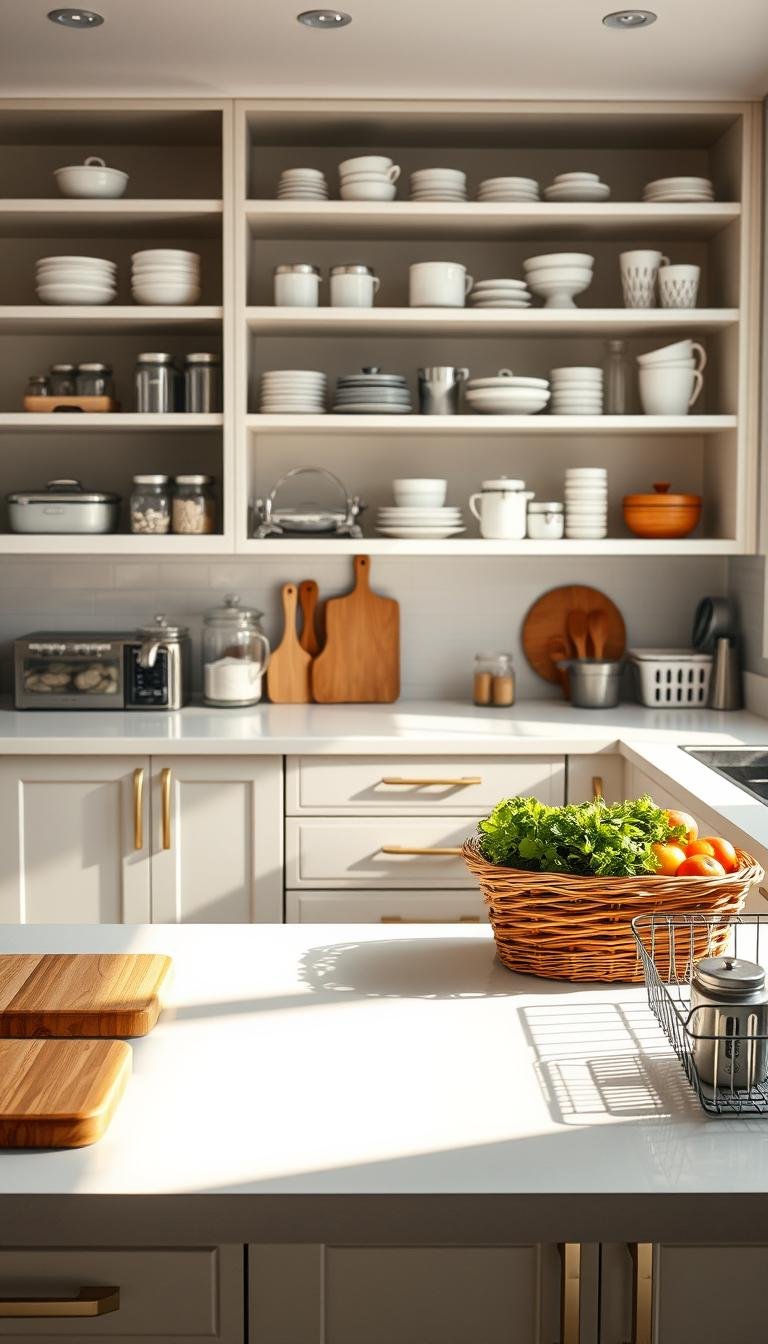
Clear counters. Keep only core tools out: toaster, coffee maker, microwave. Give each item a set place.
- Checklist: core tools, labeled shelves, weekly five-minute tidy.
Bathroom
Contain supplies in one caddy. Limit backups. Wipe surfaces dry each day.
- Checklist: caddy, two folded towels, discard excess items monthly.
Bedroom, closet, and living room
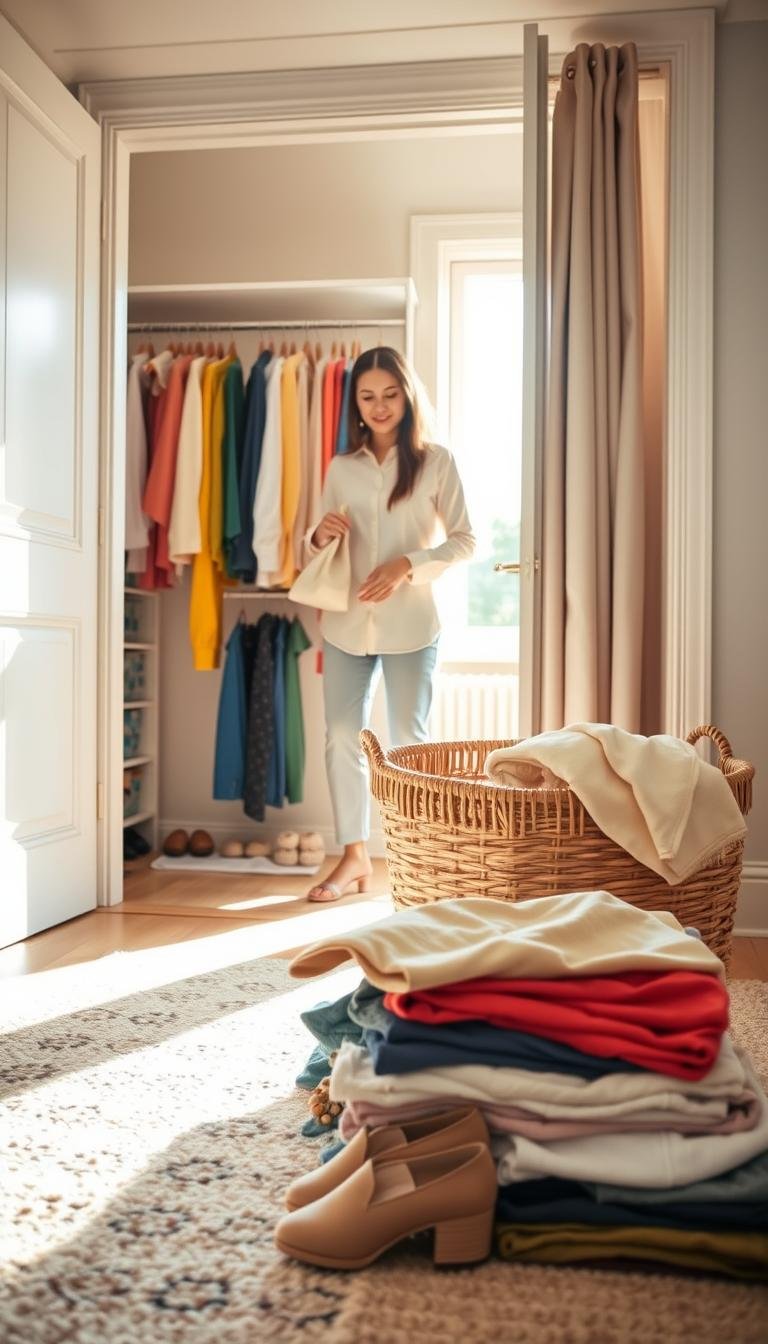
Use a capsule wardrobe to cut choices. Keep nightstands calm. Choose minimal furniture and one coffee table tray for remotes.
- Checklist: capsule pieces, clear pathways, one tray for small items.
Entryway & dining
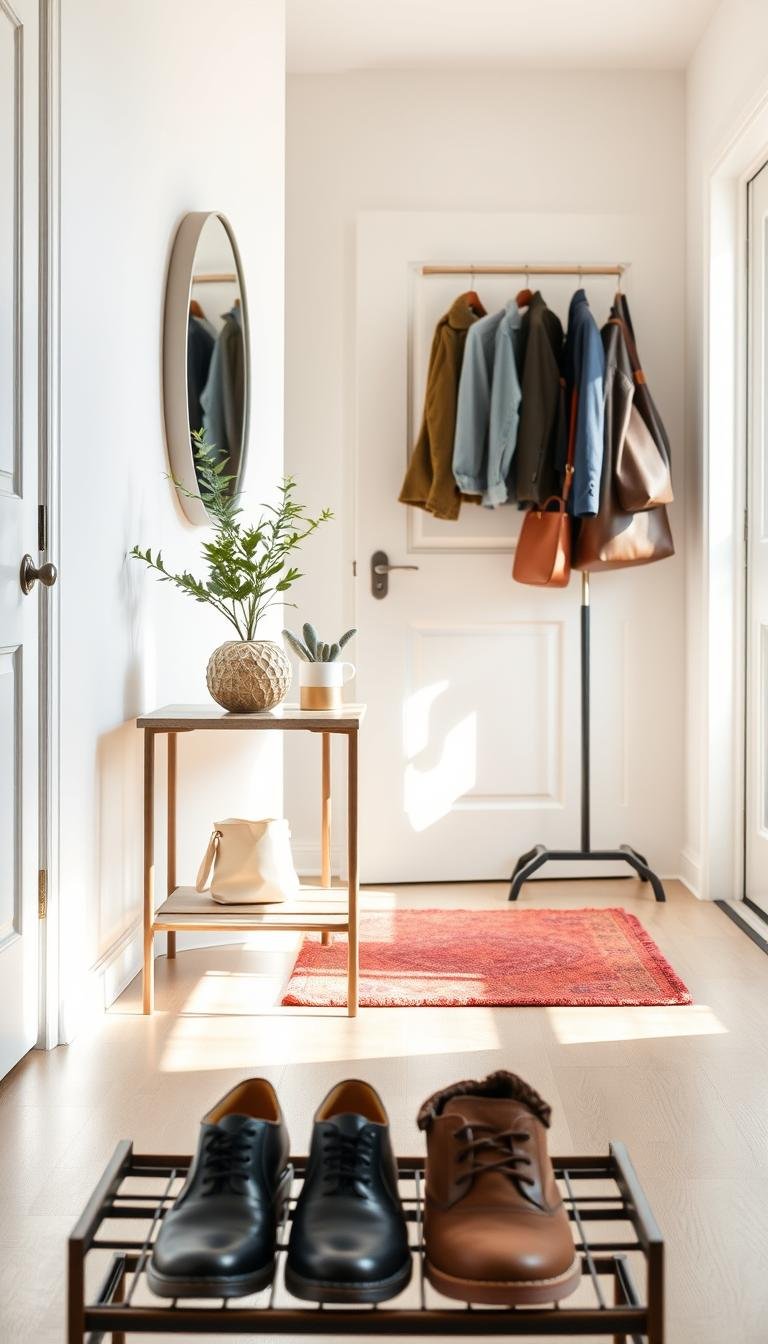
Hooks for bags. One bin per person. Clear the dining table after meals; use a tiny bowl for keys if needed.
“A place for everything keeps mornings easy and stress low.”
| Room | Core habit | Quick tool |
|---|---|---|
| Kitchen | Clear counters | Set zones & labeled shelf |
| Bathroom | Contain supplies | One caddy |
| Living room | Open pathways | Coffee table tray |
| Entryway | Drop spot | Hooks & bin |
Design and Decor: Quality, White Space, and Warmth
Thoughtful choices in color and texture help a space breathe.
Keep walls mostly clear. Let one or two loved art pieces do the talking. Open areas let light move and make rooms feel calm.
Favor quality over quantity. Choose a few furniture pieces that feel good and last. Well-made items reduce clutter and cost over time.
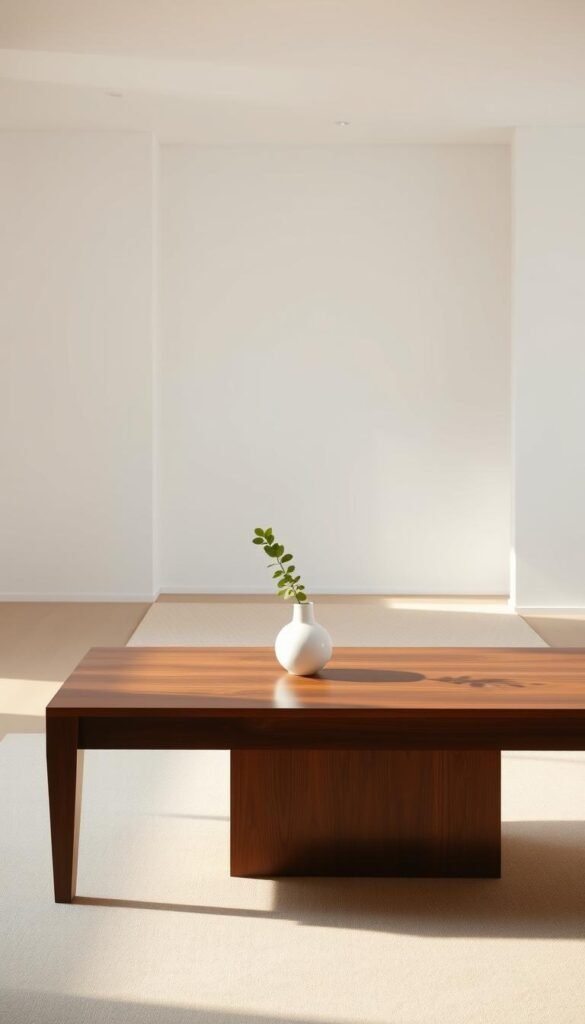
Clear walls with a few loved pieces
Pick one statement piece per wall. Leave breathing space around it. This keeps surfaces tidy and prevents visual noise.
Quality over quantity in furniture and textiles
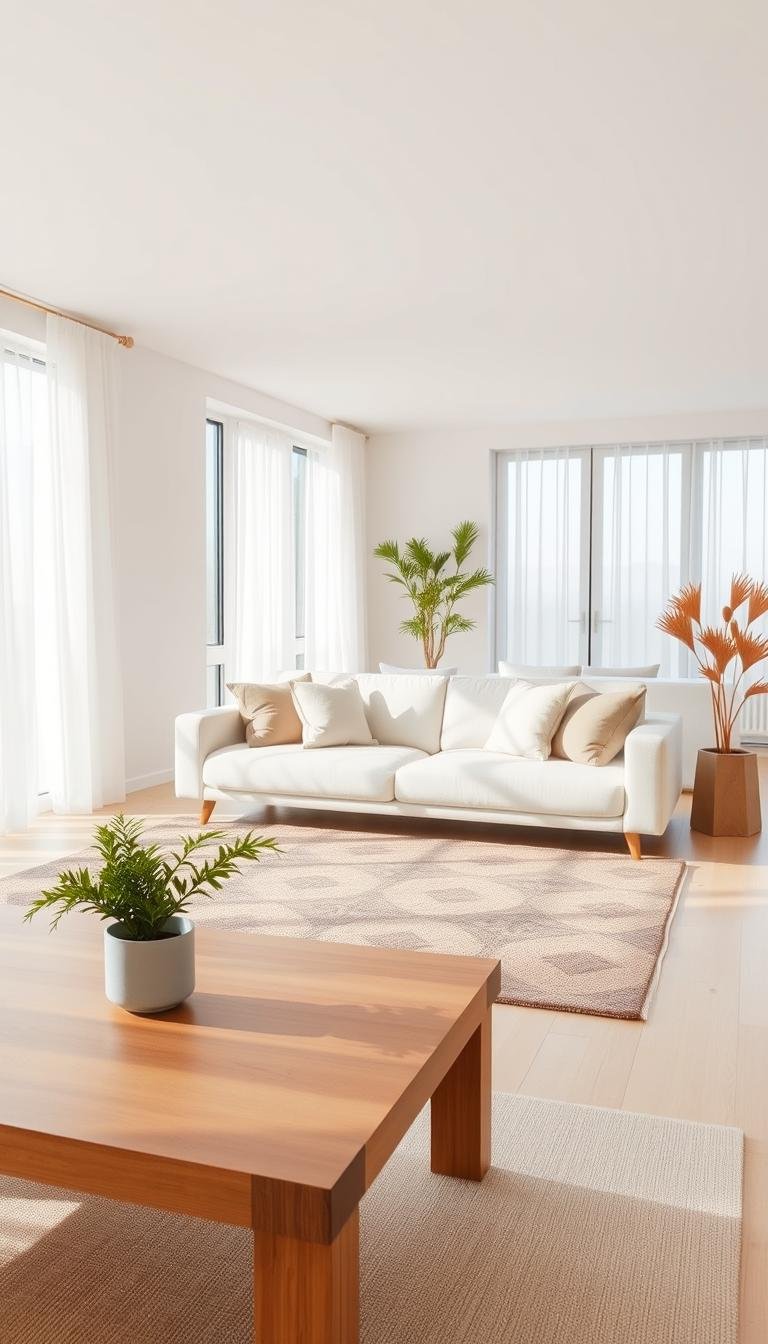
Invest in durable sofas, a sturdy table, and soft throws. Use solid color textiles and simple textures to warm rooms without busyness.
Color with intention: solid tones, light, and texture
White walls work if you love them. Calm colors do too. Repeat a small palette so rooms connect. Simple curtains or wooden blinds frame light without heavy patterns.
- Choose one statement art piece per wall and let open spaces do the rest.
- Favor a few quality furniture pieces that last through daily use.
- Use solid color textiles and soft textures to add warmth without clutter.
- Curate shelves with a few loved pieces and leave breathing space between them.
| Choice | Why it matters | Quick tip |
|---|---|---|
| Statement art | Anchors a room without cluttering walls | One piece per wall |
| Quality furniture | Lasts longer and feels better daily | Buy one good sofa over two cheap ones |
| Solid textiles | Warmth without visual noise | Neutral rug, one accent color |
| Light & curtains | Keeps sightlines clean and rooms bright | Simple curtains or wooden blinds |
“Let space, light, and a few good pieces do the heavy lifting.”
Design gently. Let rooms feel warm and useful. Add a plant or fresh branch for soft life. Small, intentional edits keep the space feel calm and a bit fun.
Simple Systems: Storage, Paper, and Digital Flow
Simple routines for paper and storage save you time every week. Set a few clear flows and repeat them. Small, steady habits stop stacks and free shelf space.
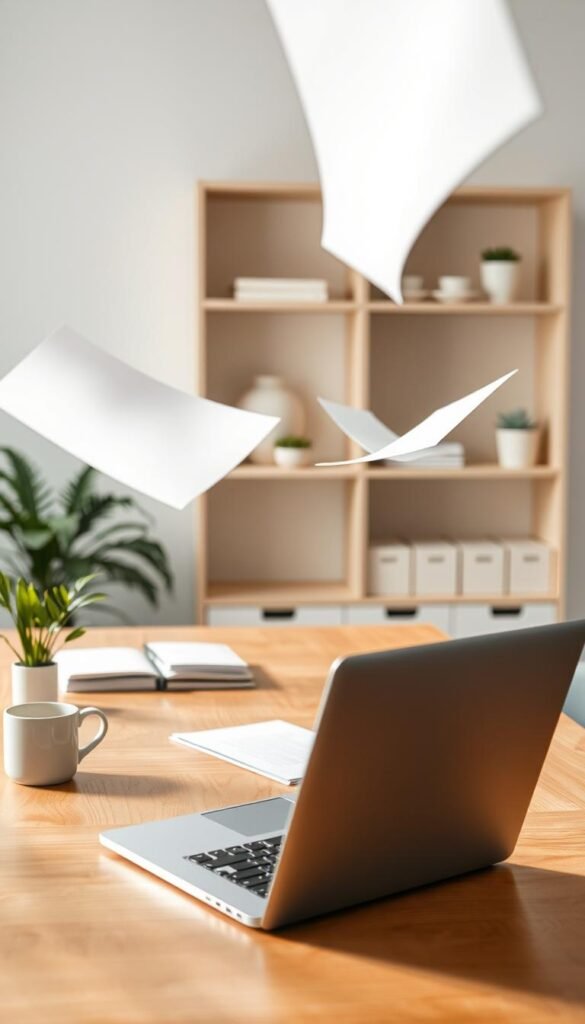
A place for everything, close to where it’s used
Store essentials where you act. Keep kitchen tools by the counter. Put chargers in one bin. This cuts steps and makes resets quick.
Paper control: recycle, scan, archive
Three-step flow: recycle most, scan the rest, and archive only true keepsakes. Use one small file for vital papers. Label it and review monthly.
Digitize media to free shelves
Scan receipts and kids’ art. Rip old CDs and movies for a digital library. Back up files to the cloud and an external drive once a week.
- One inbox tray only. Empty it every Friday.
- Make readable labels so anyone can return things fast.
- Ten-minute weekly “paper and pixels” tidy keeps stacks away.
- Post a simple tips card near the desk for the family to follow.
Conclusion
Start with one small habit and watch your rooms reward you with ease.
Be kind to your pace. Choose one room and one tiny example. You do not need a big overhaul. A few essentials on counters, clear floors, and edited walls create calm fast.
Try this short checklist to begin today:
Clear one table. Remove extra items and keep one tray or coffee table piece.
Do a five-minute day-end reset each night. Put things back in micro-homes for keys, mail, and chargers.
Question new purchases. One-in, one-out keeps clutter down. Scan a small pile of papers this week to free shelf space.
Celebrate progress. A soft audit each month keeps your spaces breathing and your life lighter. Little steps add up to lasting, peaceful change.
FAQ
What exactly is the approach in "Minimalist Home: 20 Rules to Simplify Your Life"?
The approach focuses on gentle, practical steps. You define why you want calmer spaces. Then you choose small habits and systems that fit your daily life. It’s about keeping what supports play, rest, beauty, and function. No perfection. Just clear, useful rules that you can live with.
How do fewer things actually reduce stress?
Fewer items mean less visual noise. That calms your mind. Surfaces stay clear. Cleaning is quicker. You spend less time looking for things. All of that lowers daily friction and frees up energy for things you enjoy.
Where should I start if decluttering feels overwhelming?
Start with a small, painful spot. A crowded drawer or a messy counter. Use short bursts of time. Sort into keep, donate, recycle. Try the box test for items you’re unsure about. Small wins build momentum and confidence.
How do I set a vision that actually works for my life?
Write down your “why.” Note what you want your rooms to do for you. Pick three core needs like rest, play, and function. Design around those needs rather than following a strict look. This keeps choices meaningful and sustainable.
What is the one-in, one-out rule and does it really help?
It’s simple. When a new item enters, remove one existing item. It slows accumulation. It makes you purposeful about purchases. Over time it keeps surfaces and storage from ballooning again.
How can I keep relaxation zones clutter-free with kids or a busy schedule?
Create clear boundaries for those zones. Use baskets and bins for quick tidy-ups. Keep only a few calming items on surfaces. Make a five-minute nightly reset a family habit. Small routines beat sporadic deep cleans.
Any quick tips for a calmer kitchen and pantry?
Clear counters of nonessentials. Keep core tools within reach. Give every item a home. Label containers. Rotate pantry items so nothing expires. These steps cut decision fatigue and speed meal prep.
How should I handle sentimental items without losing memories?
Use the box test. Take photos of items you don’t need on display. Keep a curated selection of real keepsakes. Consider a small memory box or digital archive. That honors memories while reducing clutter.
What design rules help rooms feel warm without being crowded?
Choose quality over quantity. Leave white space on walls and surfaces. Pick a few loved pieces that bring joy. Use solid tones and soft textures for warmth. Think about function first, then add gentle accents.
How do I manage paper and digital clutter in a simple way?
Give paper a spot near where it arrives. Recycle junk immediately. Scan important documents and archive them digitally. Use simple folders and a weekly paper check. Digitizing media frees shelf space and clears visual clutter.