Simple Filing System for Important Papers
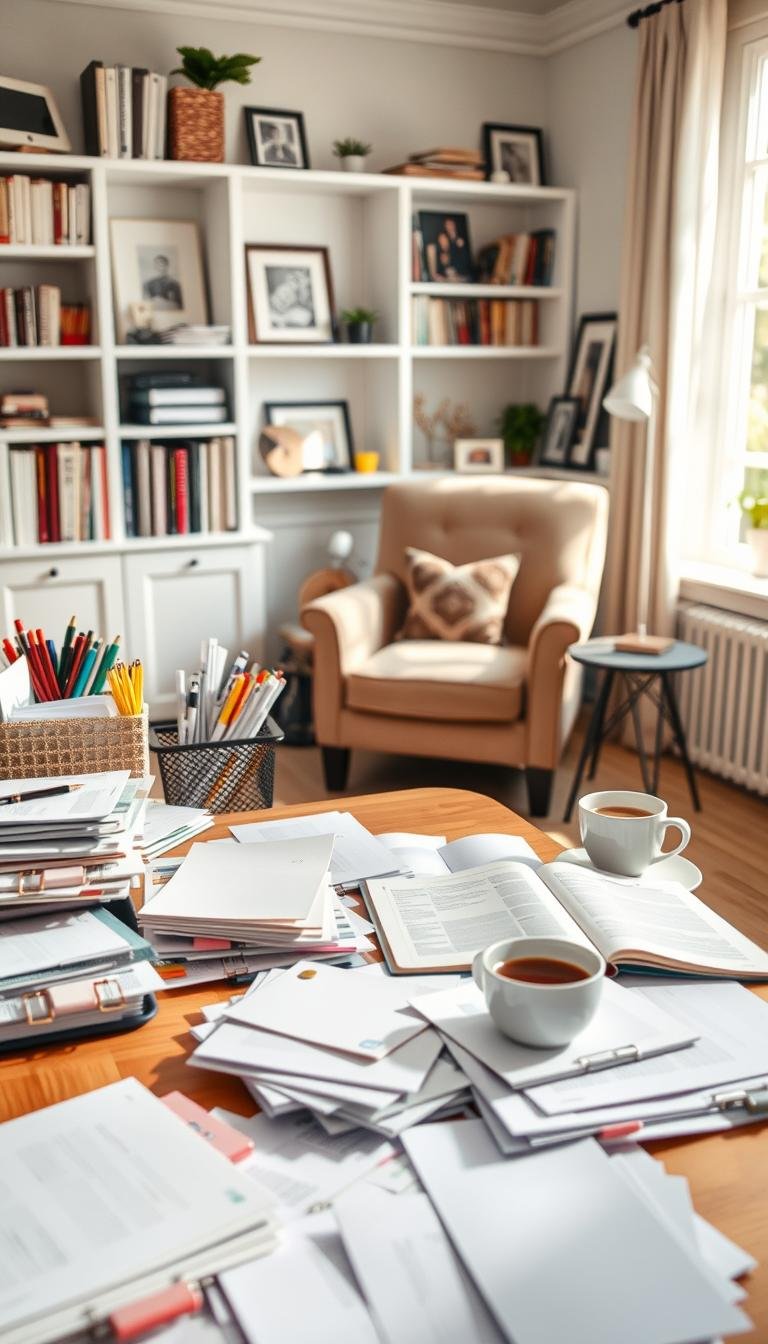
You are busy. Your home deserves calm. A few small habits can clear paper clutter and make life feel lighter. This gentle guide shows a warm, doable way to set one central spot for mail, bills, and school papers.
We focus on easy wins. Pick a home hub. Choose a few clear categories. Use a box, binder, or cabinet that suits your space.
Quick benefits: you save time and money by finding documents fast. Taxes feel easier because papers are already grouped. Sensitive papers stay safe and out of random piles.
Steps are short. Daily resets keep paperwork from building. Labels and simple folders make the next move obvious. You do not need perfection. You need a calm way to handle papers that fits real life.
Key Takeaways
- Create one central home hub for documents.
- Choose a few clear categories and simple folders.
- Use short daily or weekly resets to stop paper clutter.
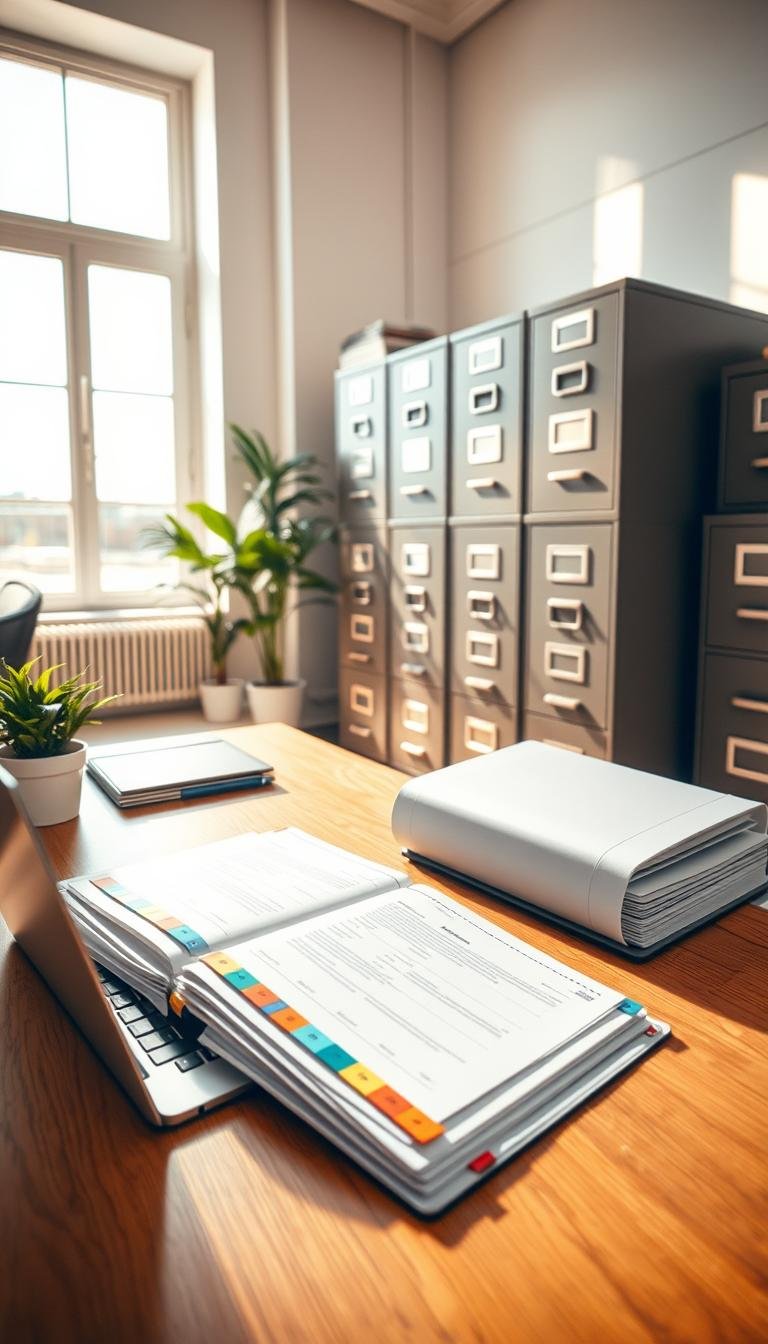
- Binders or a cabinet make grab-and-go sets easy.
- Small steps save time, lower stress, and protect important documents.
Why a calm home filing system saves time, stress, and money
When you keep records in one spot, everyday tasks take less time and feel easier. A clear approach helps you find documents fast. It also keeps sensitive information out of loose stacks.
Quick wins matter. Organized records cut the time you spend hunting for tax forms or insurance papers. That can save you money by avoiding fees or late filings.
Clear benefits for taxes, insurance, and emergencies
- Taxes: Year-end prep gets lighter when categories are ready. You pull what you need without stress.
- Insurance: Claims go faster with policies, receipts, and photos filed together.
- Emergencies: Medical, health, or school documents are grab-and-go when needed.
Reduce paper clutter and protect sensitive information
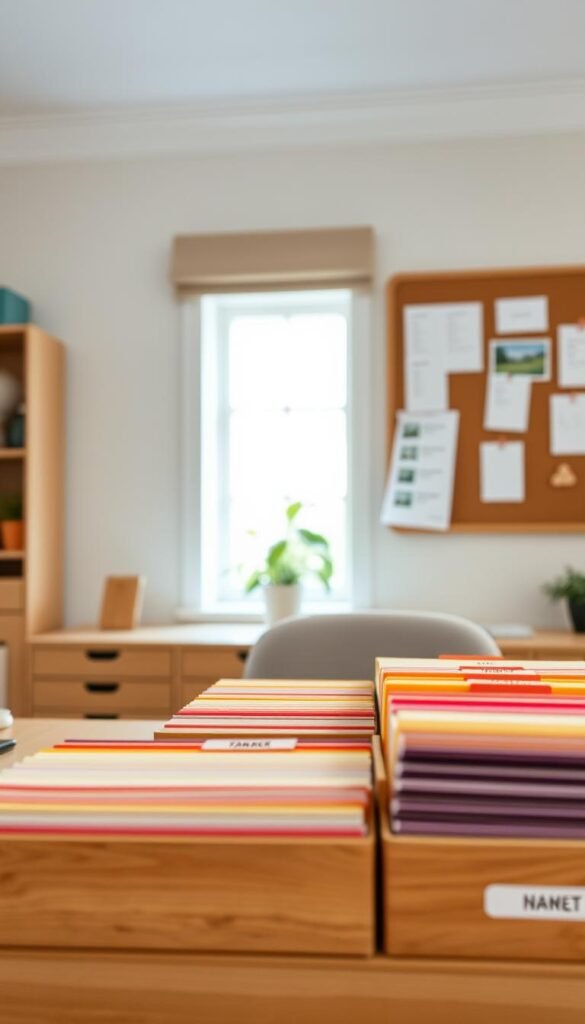
A few labeled folders by category keep papers from piling up. Color-coding and clear names help you scan in seconds.
This approach lowers the risk of identity theft. It also means family members can find what they need. Small habits — like quick weekly checks — keep the system working. You save time. You save money. You gain calm.
Simple Filing System setup: a gentle, step-by-step start
A calm corner and a few clear tools are all you need to begin. Start with one small work session. Gather what you have. Make choices that feel doable.
Gather tools
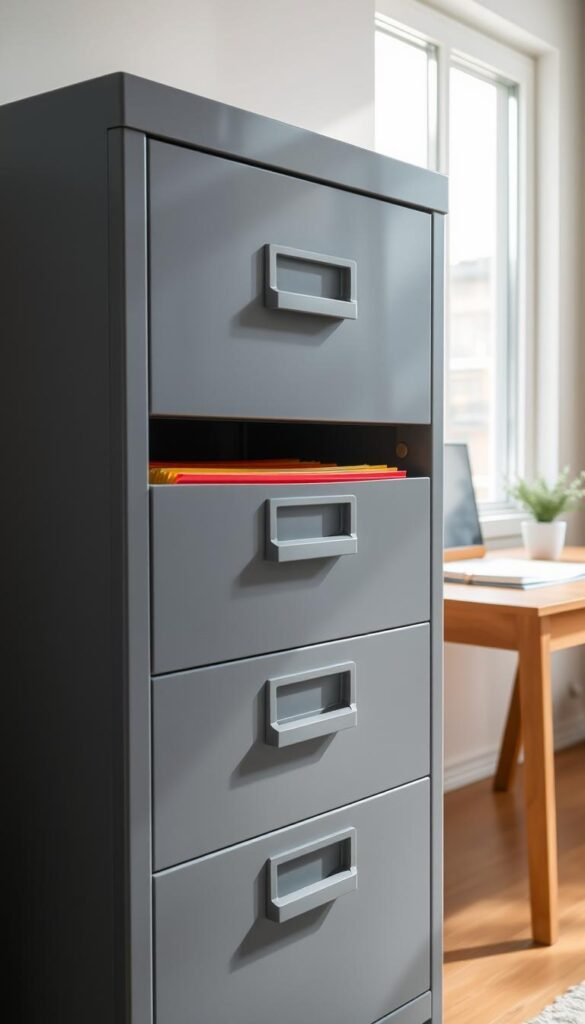
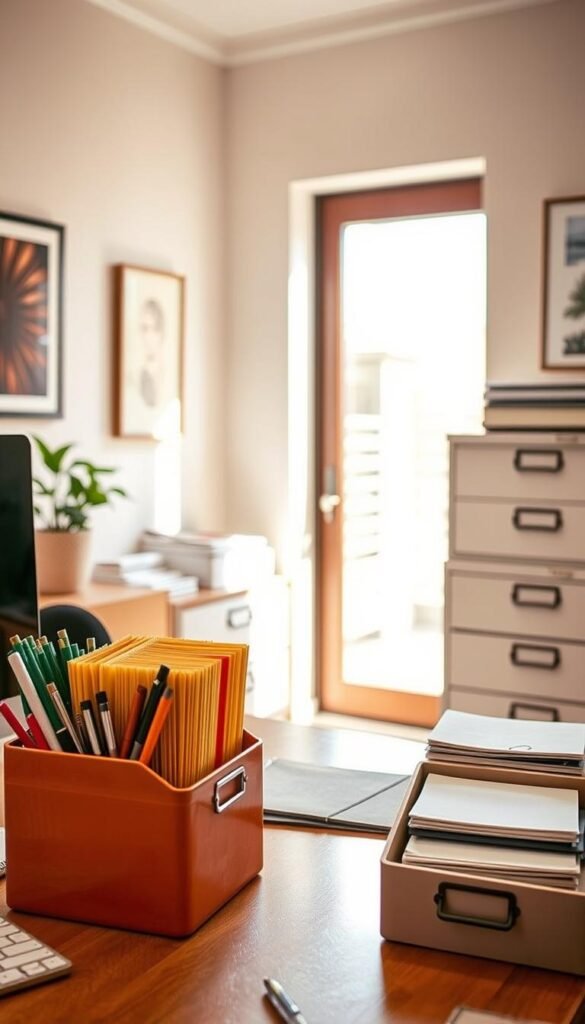
Pick a spot. Use a stand-alone filing cabinet, a desk drawer, a plastic file tote, or a canvas cube. Add hanging files for main categories and manila folders for subgroups. A label maker gives neat tabs.
Choose core categories
Begin with three calm categories: financial, medical, and personal. Under financial include taxes, bills, bank, investments and receipts. Medical can hold reports, prescriptions, and insurance policies. Personal houses birth records, passports, deeds, and diplomas.
Sort and file
- Work one pile at a time.
- Decide: keep, shred, or act.
- File into the right folder. Keep the path from pile to file short.
Labels, color-coding, and safety
Color-code folders so you can scan and find fast. Name tabs in plain words you say out loud.
“A little structure today saves hours tomorrow.”
Protect originals in a fireproof safe at home. Put irreplaceable items like titles or deeds in a safe deposit box and keep a list at home. Scan and back up to Google Drive, OneDrive, Dropbox, or IDrive for extra peace of mind.
Easy routines that keep papers organized without overwhelm
Tiny routines stop piles before they start. A gentle rhythm is all you need. Small actions done often prevent paperwork from taking over.
Daily: mail tray and two-minute triage
Set a small mail tray as your incoming home hub. Open mail over a recycle bag and a shred box. Sort fast into action, file, or shred.
Two minutes is enough. That way paper moves out of sight and out of mind. You save time tomorrow.
Weekly: receipts, inbox to file, quick shred
Drop receipts into a bin all week. Once a week, sort them into month envelopes or a small box.
Move items from the inbox into files. Check credit card charges as you go. Do a tiny shred session for old offers and duplicates.
Monthly: clear the file basket and reconcile
Empty the file basket and put paperwork in its place. Reconcile bills and statements so records match your accounts.
Wipe tabs and tidy folders. A quick refresh keeps the process smooth and saves time.
Yearly: bundle, archive, and purge
Gather financial papers each year. Bundle by year and move to a labeled box or tax tote.
Purge what you no longer need. Keep only what supports taxes, warranties, or personal records.
| Routine | Action | Result |
|---|---|---|
| Daily | Mail tray. Two-minute triage. Shred junk. | Fewer piles. Fast decisions. |
| Weekly | Sort receipts into month box. Move inbox to file. | Current records. Verified charges. |
| Monthly | Clear file basket. Reconcile bills. | Cleaner folders. Trusted records. |
| Yearly | Bundle tax papers. Archive by year in box. | Ready taxes. Light archive. |
Room-by-room paper flow: simple systems in real spaces
Create gentle checkpoints around the house so documents get handled quickly.
Kitchen
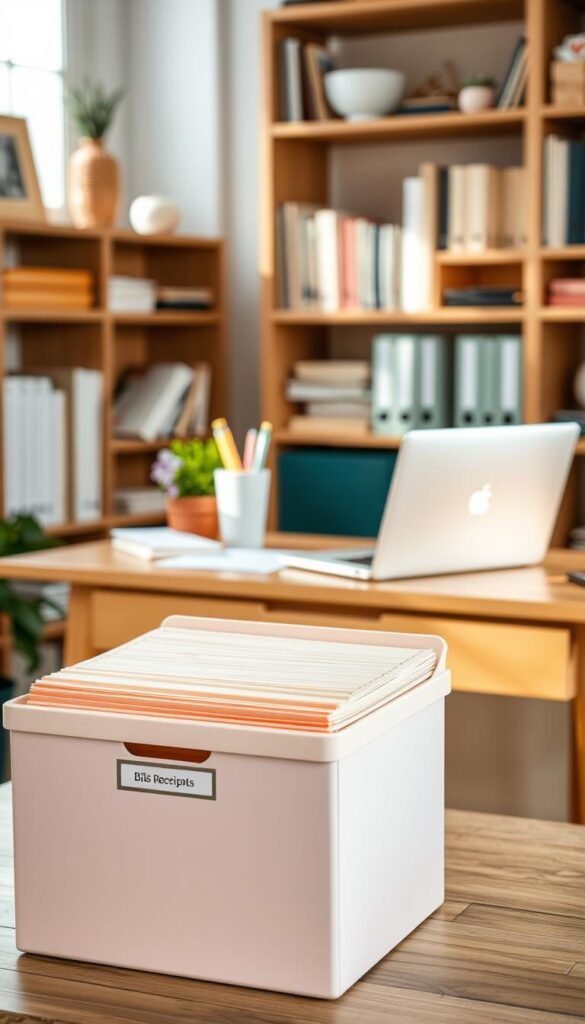
Set a calm mail station on the counter. Add an in-tray, a bill folder, and a small shred bag. Keep a thin box under the cabinet for items to file later.
Pantry
Hang a coupon pocket and a clip for warranties. Tuck a small list pad nearby for meal and grocery notes. This keeps paper close to the food space and things you use every day.
Bathroom
Keep a quiet medical log and refill reminders. Place copies of your insurance card behind them. This makes health and medical records easy to find in a hurry.
Bedroom
Use a tray for passports, licenses, and a safe access card. Add one keepsake folder for small documents you love. It protects memories without creating piles.
Closet and Entryway
On a shelf place a labeled tax tote and archive box by year. Keep spare folders and a box for overflow. At the entryway, create a drop zone with one folder per child for school papers and schedules.
- Quick resets: two-minute sweeps in each room.
- One box or file per category keeps your home filing system calm.
Conclusion
A single clear file can change how your family finds what it needs.
Start small. Put one file in your home hub today. Add a folder or a box next. Small steps keep paper clutter from growing.
Keep originals like wills, deeds, titles, stock certificates, and birth records in a safe deposit box. Keep a short list at home naming what is where. A fireproof safe at home adds protection. Back up scans to Google Drive, OneDrive, Dropbox, or IDrive so documents travel with you.
Review once a year. Archive last year’s records and refresh labels. A gentle weekly 10-minute check keeps files current. This way your filing system stays useful. Your important documents work for you — not against you.
FAQ
What is a calm home filing approach and why does it help?
A calm home filing approach is a gentle way to keep important papers organized. It reduces stress. You find insurance, tax, and medical documents quickly. You save time and money. It also protects sensitive information and helps in emergencies.
What basic tools do I need to get started at home?
Start small. A tote or a compact cabinet works. Add hanging files, folders, and a label maker or simple stickers. Keep a shred bag and a small box for archives. These items make the process easy and low-cost.
How do I pick the right core categories?
Choose categories that match your life. Try financial, medical, and personal first. Add taxes, insurance, school, and home records as needed. Keep categories broad. You can refine them over time.
What is the easiest way to sort a big pile of papers?
Tackle one small pile at a time. Use three baskets: action, file, trash. Move papers into folders as you go. Label folders clearly. If it feels overwhelming, set a 20-minute timer and do what you can.
How should I label and color-code folders?
Use short, clear labels like “Insurance,” “Taxes,” or “Medical.” Pick a color per category. Keep a legend nearby so the whole family knows the system. Simple colors and labels make filing fast and calm.
How do I keep important documents safe?
Use a fireproof box for originals like wills and birth certificates. Consider a safe deposit box for extra security. Scan documents and store encrypted digital copies. Share access details with a trusted person.
What daily habits keep papers from piling up?
Use a mail tray and do a two-minute triage each day. Toss junk. Put bills in the action folder. File anything that only takes a moment. Small daily steps stop clutter from growing.
What should I do weekly to stay on top of paperwork?
Empty your receipt bin and sort into folders. Move items from your inbox to the file or action pile. Do a quick shred session for old sensitive paper. A little weekly attention goes a long way.
How do I handle tax and yearly paperwork efficiently?
Each year bundle tax records into a single folder labeled with the year. Archive older years in a tote or box. Purge what you no longer need. This makes tax time calm and simple.
Where should I place small filing spots around the house?
Create low-effort zones. A mail station in the kitchen. A receipt pocket in the pantry. A medical folder in the bathroom. A personal tray on your bedroom dresser. Keep each spot small and focused.
How do I manage kids’ school papers and permission slips?
Use an entryway drop zone or a simple folder labeled with each child’s name. Review papers weekly. Keep only what matters. Take photos of artwork you want to save and recycle the rest.
What papers should I always keep and what can I toss?
Keep birth certificates, social security cards, wills, insurance policies, mortgage or title documents, and tax returns for several years. Toss warranties past their useful life and duplicates. When in doubt, scan before recycling.
How do I involve my family without adding pressure?
Invite them gently. Show the drop zone and explain labels. Assign small, clear tasks like “put mail here” or “empty your folder on Sundays.” Praise effort. Keep expectations low and consistent.
Can I combine paper and digital records without stress?
Yes. Keep originals for what matters. Scan other documents and back them up securely. Use clear file names and the same category structure for digital folders. Treat digital backups like a safety net.
I’m overwhelmed. Where should I start today?
Start with one small surface. Sort for 15 minutes. Make three piles: keep, act, recycle. Put essentials in labeled folders. Celebrate the progress. Small steps build lasting calm.