
10-Minute Daily Cleaning Routine
You juggle work, family, and a long list of things to do. You want a calm home without long chores. This plan gives you a short, steady system that fits real life.
Spend just ten minutes. Focus on quick resets from the waistline down. Clear counters. Tidy floors. A made bed. Small wins add up.
You match tasks to moments you already have. After morning coffee. Before bed. One small task at a time. No pressure. Just gentle progress.
Key Takeaways
- Use a short, steady schedule you can keep.
- Focus on quick resets, not perfection.
- Link tasks to daily moments like morning or night.
- Keep supplies simple and mobile.
- Small, regular actions make your house feel lighter.
Why a simple cleaning routine works right now
Small, steady steps make keeping your space calm feel possible.
You do not need long chore blocks. Short actions stop mess from growing. This approach lowers decision fatigue. You know the next step. Your mind rests.
Focus on the waistline down. Wiping counters and quick floor care keeps food-contact surfaces safe. It also limits spread of crumbs and dirt in kitchens. Weekly care for high-traffic rooms cuts dust and pet dander.
- Less thinking, more breathing. One small task at a time eases the mind.
- Short habits prevent pileups. Weekly tasks feel much easier.
- Link to life. Do one wipe with your morning coffee. It takes no extra time.
| Focus | When | Benefits |
|---|---|---|
| Waistline surfaces | Every morning | Safer food areas. Fewer crumbs. |
| Floors in traffic zones | After work or before bed | Less dirt, easier weekly care. |
| High-touch spots | Once a week | Reduces dust and pet dander. |
Daily Cleaning Routine: a calm 10-minute system
Pick one small corner and give it ten minutes of kind attention. This keeps mess from growing. It feels doable. It builds calm steps that add up.
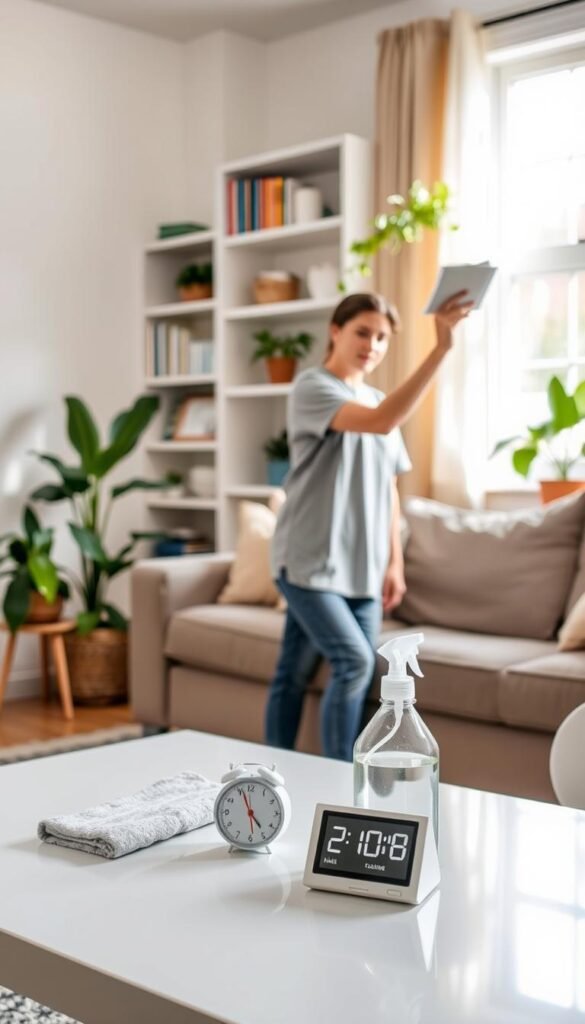
Set a timer and pick one zone
Set a timer for 10 minutes. Choose one zone: kitchen, bathroom, bedroom, closet, living room, or entryway. Keep the goal small. One room. One thing to finish.
Step-by-step: quick reset from waist-high down
- Set a timer for ten minutes and focus. Pick one zone.
- Start at waist-high surfaces. Wipe counters, sinks, and tabletops. A quick pass is enough.
- Scoop clutter into a small basket. Return items fast. Use a “later” bin for unsure items.
- Do a fast floor pass. Crumbs or hair? Use a handheld vacuum or dry mop. One minute per room.
- End with a visual sweep. Clear surfaces and passable floors mean you are done.
Gentle habit triggers for morning, midday, and night
Morning: after coffee, set timer and reset kitchen or bathroom.
Midday: after lunch, wipe the table and quick sweep.
Night: before bed, five-minute pickup. Return items home. Turn off lights and take a deep breath.
“Small, regular actions add up. Ten focused minutes can keep your home calm.”
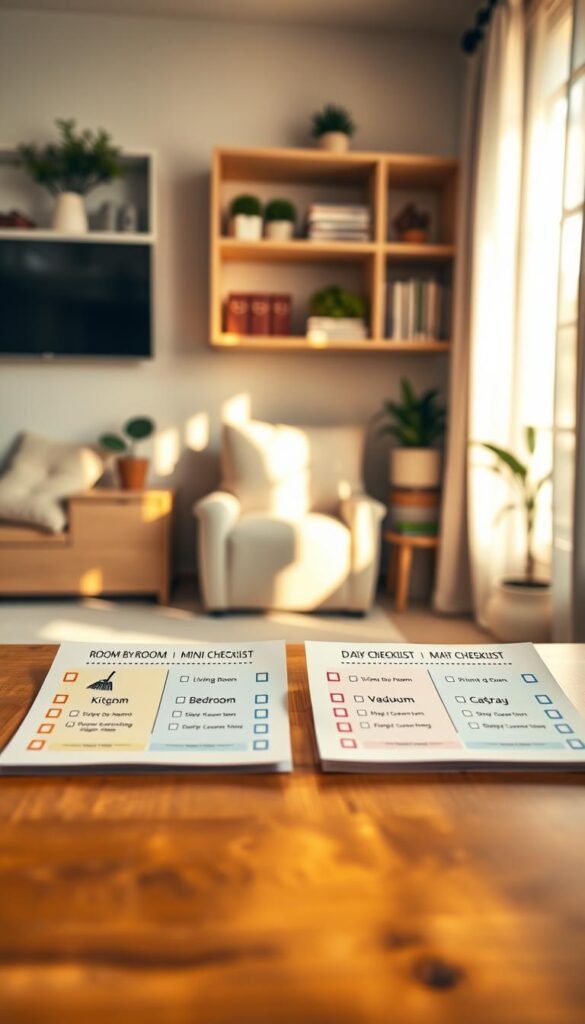
Room-by-room mini checklists for fast wins
Tiny, focused steps in each room make upkeep feel simple. Pick one zone. Give it five to ten minutes. Small wins build calm.
Kitchen and pantry
- Clear the sink. Load the dishwasher.
- Wipe counters and stove top. Spot-wipe cabinet handles.
- Scan one pantry shelf. Toss expired food and empty boxes.
- Sweep visible crumbs. Quick sweep or spot mop if needed.
Bathroom
- Wipe sink and faucet. Swipe mirror spots.
- Spot-clean the toilet seat and handle.
- Hang fresh towels. Gather trash.
- Fast floor sweep. Keep a small caddy for supplies.
Bedroom and closet
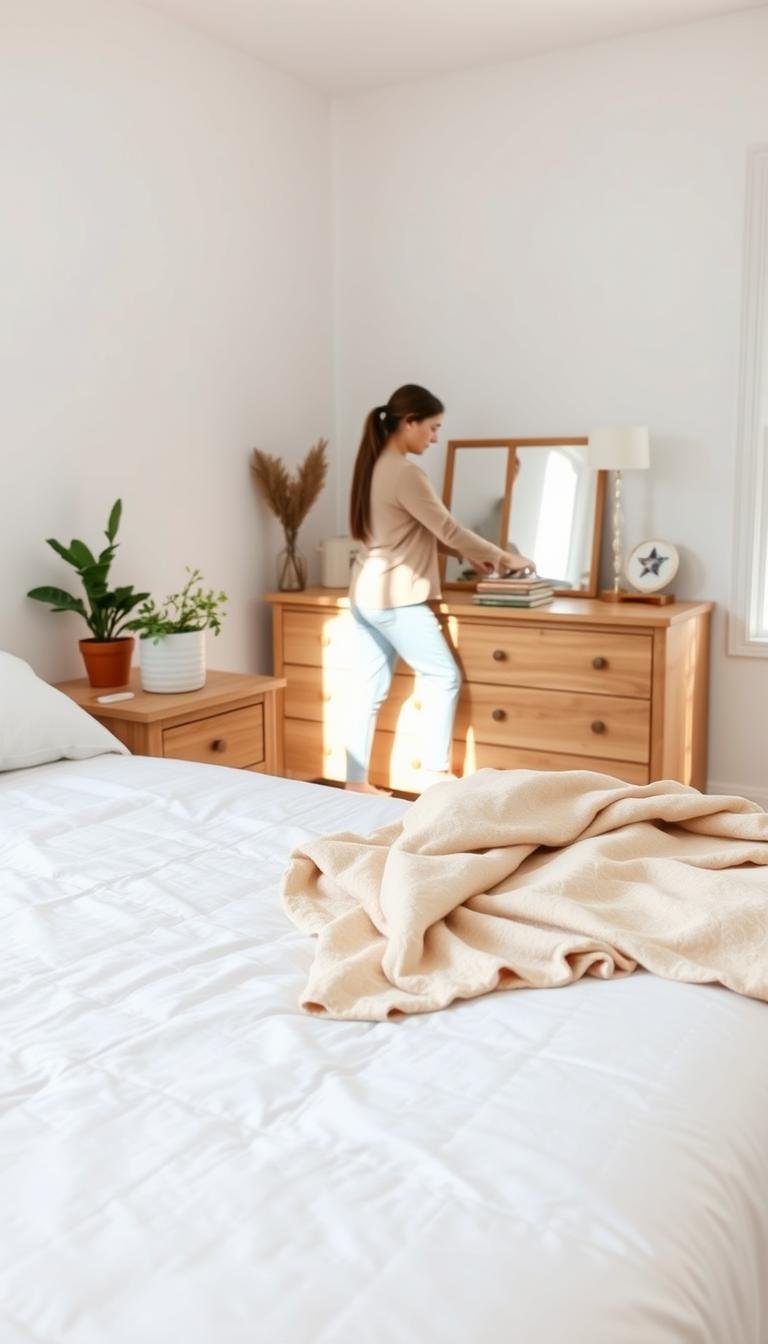
- Make the bed. Clear nightstands.
- Return clothes to hangers or hamper.
- Tidy one shelf or one drawer. Add a donation bag for outgrown things.
Living room and entryway
- Fluff pillows. Fold throws.
- Gather remotes and chargers into a tray.
- Put shoes in a basket. Wipe doorknobs and switches.
- Quick vacuum pass by the door. Mop small scuffs as needed.
Tip: Use a basket to catch stuff that drifts. Empty it nightly. Keep one gentle cleaner and a cloth in each room to make these tasks easier and more likely to stick.
Weekly rhythm to support your day-to-day tidy
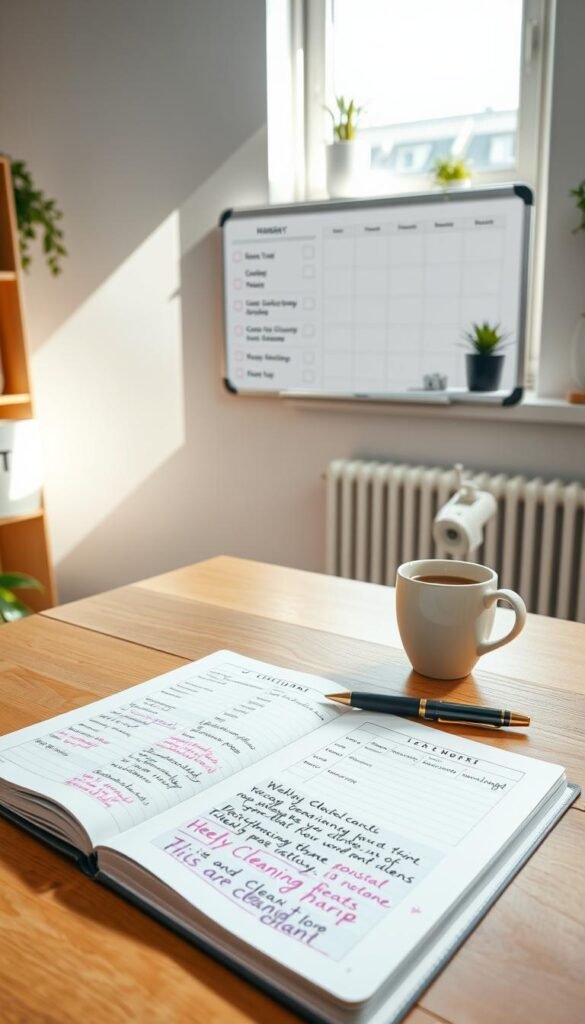
Choose two or three anchor days each week. For example: bathrooms on Tuesday, floors on Thursday, bedding on Saturday. This keeps the schedule light and steady.
Laundry and sheets made easy
Laundry in small, frequent loads saves time. Use a half-full hamper rule. Start the washer in the morning. Move loads to the dryer around lunch. Fold in the evening. Small loads take less than an hour across the week.
Sheets once a week or every other week. Keep a spare set per bed. Swap sheets quickly. This cuts folding and makes bed changes fast.
Dishwasher and fridge touch-ups
Run the dishwasher at night. Unload in the morning. That clears the sink and keeps the kitchen calm.
Do a five-minute fridge scan on Friday. Toss expired items. Wipe one shelf. You save food and reduce waste.
- Group chores by zone for easier focus.
- Give each family member one clear task.
- Keep weekly work under 60–90 hours spread into short sessions. (Aim: 60–90 minutes total.)
| Anchor Day | Main Task | Time |
|---|---|---|
| Tuesday | Bathrooms: toilets, sinks, spot-mop | 20–30 minutes |
| Thursday | Floors: vacuum and quick mop in traffic zones | 20–30 minutes |
| Saturday | Bedding and laundry: change sheets, fold small loads | 20–30 minutes |
Monthly and seasonal resets that prevent buildup
A little attention now keeps small messes from growing into big jobs.
Monthly touch-ups are best done in short bursts. Pick two items a week. Two short sessions beat one long day.
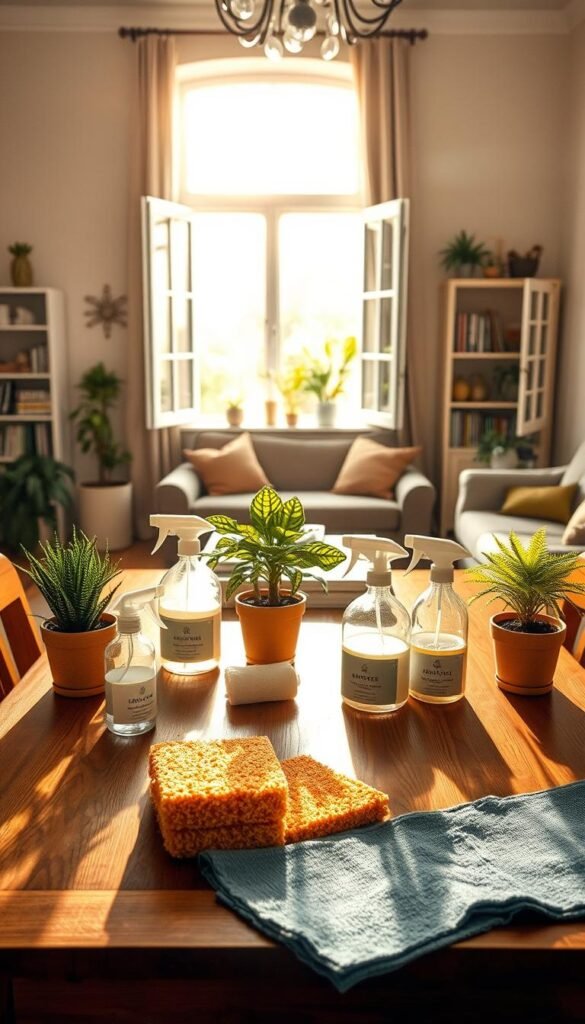
Monthly touch-ups you can do in short bursts
Focus on small wins. Scrub grout lines. Wipe inside medicine cabinets. Launder pillow protectors and mattress pads.
Dust shelves and vacuum baseboards. Wash hood filters. Wipe trash bins and dust fans. Flush drains with baking soda and boiling water.
Quarterly declutter that feels light
Choose one category at a time. Closet tops. Bathroom drawers. Pantry snacks.
Keep a donation bag handy. Spend 20–30 minutes. This reduces effort compared to annual marathons.
Seasonal deep-dive for long-term care
Once a season, do a light deep-clean. Turn mattresses. Launder pillows. Deep clean the oven.
Wipe inside the fridge and pantry. Swap seasonal clothes. Clean shower heads and washer filters.
“Progress over perfection. One small thing each month keeps your home calmer and lighter.”
| Reset Type | Example Tasks | Time | Frequency |
|---|---|---|---|
| Monthly touch-up | Scrub grout, wash hood filter, dust fans | 20–30 minutes total | Monthly (split across weeks) |
| Quarterly declutter | Closet tops, bathroom drawers, pantry snacks | 20–30 minutes per category | Every 3 months |
| Seasonal deep-dive | Turn mattress, deep clean oven, launder pillows | 30–90 minutes (split if needed) | Spring, Summer, Fall, Winter |
Simple organizing systems that keep tasks moving
Break the house into simple zones so each task has a clear home.
Zone cleaning means batching rooms or tasks. It cuts thinking time. It makes following a schedule easier.
Zone cleaning and a realistic schedule
Create zones that match your home: kitchen zone, bathroom zone, bedrooms and closets, living spaces, entryway.
- Assign each zone a light day on your schedule. Example: Monday kitchen, Wednesday bathrooms, Friday bedrooms.
- Keep a short list per zone. Three to five items max.
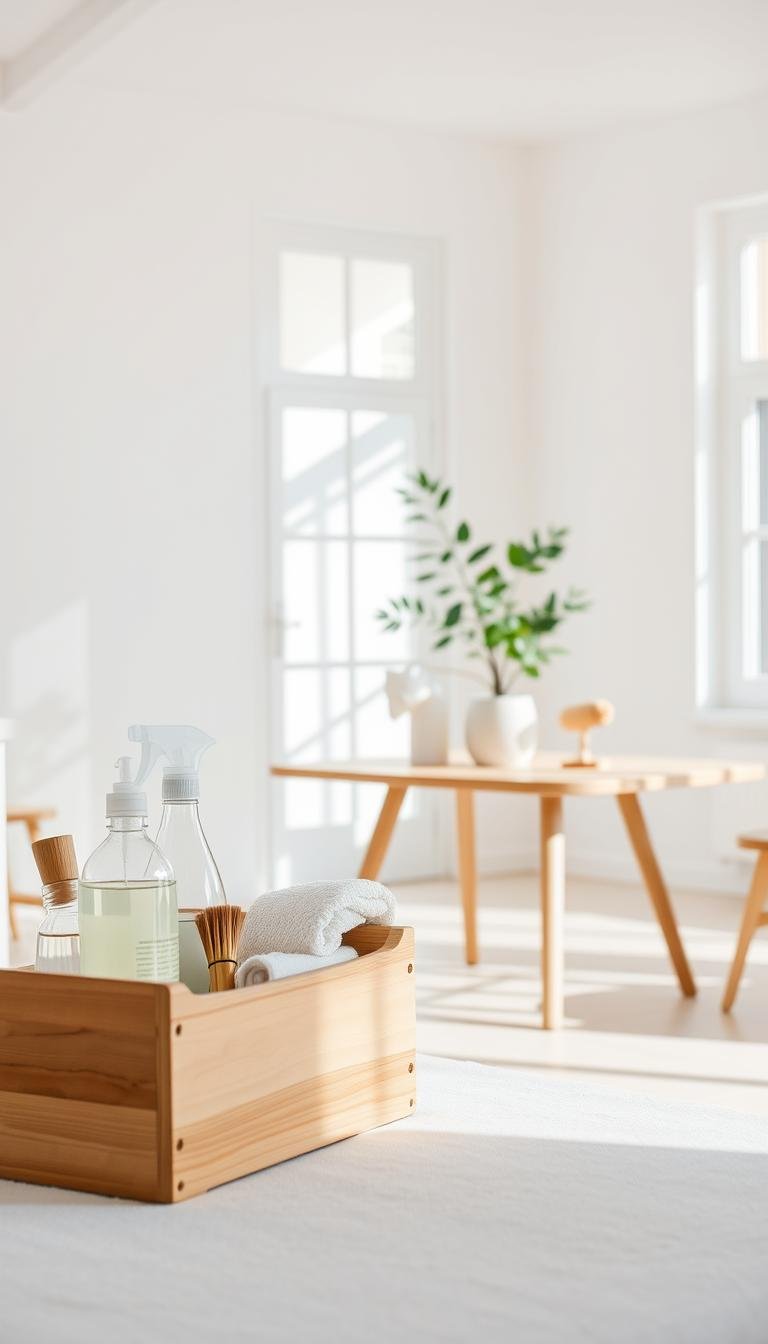
- Keep a simple caddy in each zone. Cloth, gentle spray, small brush, bag liners.
- Use a shared list for family chores. Small, clear assignments build trust.
- Add a nightly 10-minute tidy. It protects your weekend and resets rooms.
- If a week is busy, do a half-zone. Touch high-impact spots only.
- Review your schedule each month. Shift zones or times as life changes.
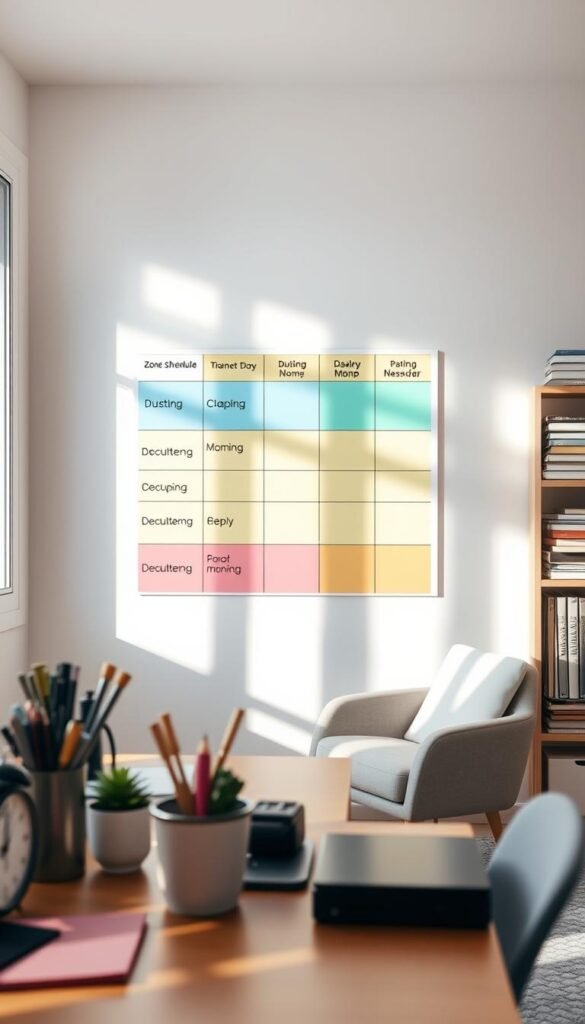
| Zone | Example tasks | Times |
|---|---|---|
| Kitchen | Wipe counters, clear sink, quick sweep | 10–15 min |
| Bathroom | Wipe sink, spot-clean toilet, swap towels | 10–15 min |
| Bedrooms | Make bed, return clothes, tidy surfaces | 10 min |
| Living/Entry | Gather shoes, fold throws, wipe high-touch spots | 10 min |
Printable-style checklists you can follow
A single printable list makes small chores feel doable and calm. Keep this page where you will see it. The short lists below focus on high-impact actions you can finish in minutes.
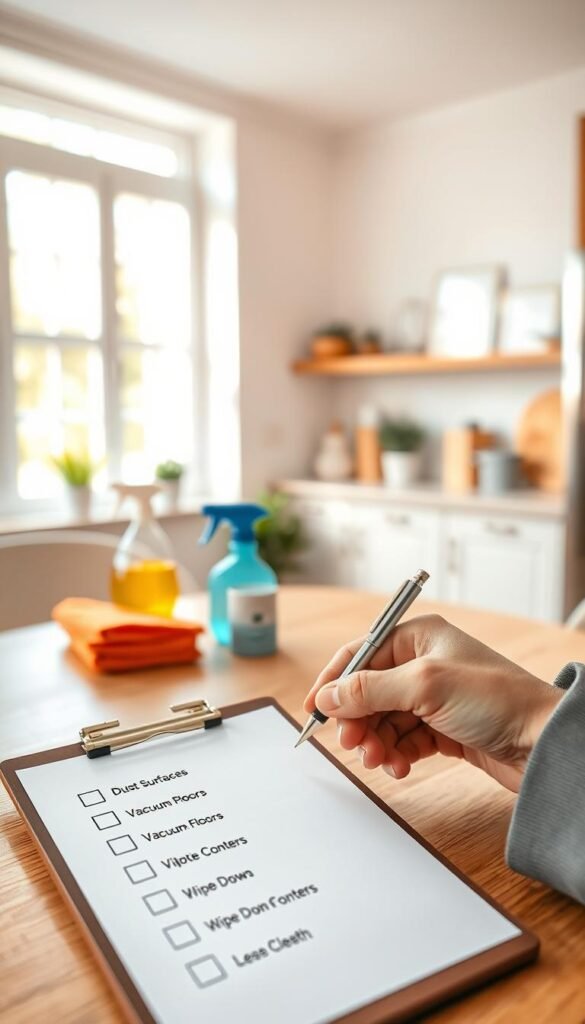
Daily checklist: 10 minutes
- Clear and wipe kitchen counters. (2 minutes)
- Load or unload the dishwasher. (2 minutes)
- Quick bathroom sink and mirror swipe. (1 minute)
- Five-minute pickup in living areas. Gather stray items.
- One-minute floor sweep in the messiest spot.
- Set out tomorrow’s laundry load if needed.
Weekly checklist: 60–90 minutes total
- Bathrooms: clean toilet, sink, quick shower touch-up.
- Floors: vacuum main paths; mop kitchen and bath.
- Dust high-touch surfaces and light fixtures.
- Change sheets and pillowcases; make the bed fresh.
- Fridge five-minute edit and wipe one shelf.
- Empty all trash and wipe bin rims.
Monthly checklist: deeper but doable
- Scrub grout lines and spot-treat tiles.
- Dust and wipe ceiling and portable fans.
- Wash range hood filter and wipe door fronts, knobs, switches.
- Vacuum baseboards and window sills. Wipe inside medicine cabinet.
- Quick pantry and freezer edit. Toss expired items.
Laundry helper: Use the half-hamper rule. Small loads. Fold the same day. Label baskets to speed sorting.
Dishwasher helper: Run at night. Empty in the morning. Wipe seals and edges weekly to keep it fresh.
Floor helper: Keep a lightweight mop and a charged handheld vacuum. One pass a day keeps crumbs away.
“Short lists. Small wins. Less stress.”
Conclusion
Small, steady actions free up hours and bring calm to your space. A short, gentle plan protects your time and your mind. Do one 10-minute reset. Pick a room. Wipe surfaces and sweep or use a vacuum.
This way of working keeps your home guest-ready without long hours. Weekly care for the kitchen, bathrooms, and sheets prevents big jobs later. Monthly and seasonal touch-ups keep appliances and furniture in good shape.
Share simple chores with family. Use a soft timer. One thing at a time. Start today with a single 10-minute session. Breathe. You are building a calm, lasting clean routine.
FAQ
How long should I spend on a 10-minute cleaning plan?
Aim for one focused 10-minute block. Set a timer. Pick a single zone. Work from waist-high down. Move quickly but gently. You’ll be surprised how much you can reset in that short time.
When is the best time to do these short tasks?
Choose times that fit your day. Morning after breakfast. Midday between work breaks. Evening before bed. Small, consistent windows build calm habits without pressure.
What should I do first when the timer starts?
Start with visible clutter. Clear surfaces like counters and tables. Stack dishes or load the dishwasher. Gather laundry into a basket. Then sweep or vacuum high-traffic spots.
How can I make this feel less like a chore?
Use gentle triggers. Pair a 10-minute session with music or a favorite podcast. Keep supplies handy in each zone. Celebrate small wins. The goal is progress, not perfection.
Which zones are best for quick wins?
Start with the kitchen, bathroom, bedroom, or entryway. These areas show the most impact from small efforts. A tidy sink or clear entryway shifts the whole home’s feel.
How often should I do weekly tasks like laundry or fridge touch-ups?
Schedule them once a week. Split tasks into short bursts across days. For example. Laundry on Monday. Sheets midweek. Fridge wipe-down before grocery shopping.
What belongs on a 10-minute daily checklist?
Essentials only. Clear surfaces. Load the dishwasher. Quick sweep or spot vacuum. Make the bed. Collect stray items and return them to their homes.
How do monthly and seasonal resets fit in?
Use monthly bursts for overlooked spots. A quick deep clean of vents or baseboards. Quarterly declutters for papers and clothes. Seasonal projects like wardrobe swaps keep buildup from returning.
Can I involve family without adding stress?
Yes. Assign tiny, clear tasks. A child can wipe a table. A partner can take out trash. Keep tasks short and specific. Positive language helps. Make it a shared rhythm, not criticism.
What organizing systems actually help maintain progress?
Simple systems win. Zone-based cleaning. One basket for stray items. Clear bins for pantry. A visible checklist by the entry. Small habits plus easy systems reduce decision fatigue.
How do I stay consistent on busy weeks?
Lower the bar. Do 5 minutes instead of 10. Keep the timer. Pick one high-impact zone. Consistency beats intensity. You’ll keep momentum without burnout.
What supplies should I keep ready for quick sessions?
Keep a basic kit in each zone. All-purpose spray. Microfiber cloth. Hand broom or small vacuum. Laundry basket. This saves time and removes excuses.
Is it okay to skip a session sometimes?
Absolutely. Life happens. Skip without guilt. Return the next day. The method is about gentle consistency. Not rigid rules.
How can I track progress without feeling overwhelmed?
Use a simple checklist. Tick off 10-minute tasks. Watch small wins stack up. Visual progress is calming. It builds quiet confidence over time.