20 Bathroom Organization Hacks
You are busy. You want a calm, gentle start to each day. Small routines can make a big difference. Simple systems bring peace without extra work.
This guide shows clear, doable ways to tame clutter and keep essentials where you need them. We focus on quick wins. Think trays for the sink, open shelves over the toilet, and labeled bins under the sink.
We promise short, helpful routines. Try five minutes each day. Add a weekly reset and a soft monthly edit. You will get room-by-room examples so you can use the same approach in the kitchen, closet, and entryway.
The plan is gentle. No heavy projects. Just small steps: hooks for towels, turntables for small items, over-door racks for hair tools, and clear bins for visibility. These ideas free up space and make the room easier to care for.
Key Takeaways
- Start with gentle decluttering and clear categories.
- Use simple containers and labels for quick visibility.
- Adopt five-minute daily tasks and a short weekly reset.
- Use vertical storage, trays, and under-sink bins to save space.
- Apply the same systems in other rooms for lasting calm.
A calm start: how to make space before you add storage
Start by clearing one shelf or drawer; small wins ease the rest.
Begin with a soft sweep. Work in one small area. Empty it. Keep what you use. Toss or recycle expired products. Donate items in good shape. Move anything that belongs in another room.
Sort by category next. Group hair care, skin care, dental care, body care, and first aid. Categories make decisions simple. This step creates fast clarity and frees visible space.
Measure, then shop
Measure shelves, drawers, and under-sink clearances before you buy containers. Note pipes and odd gaps. Buy products that match your exact sizes and categories. Shopping last saves money and reduces clutter.
Quick checklist and room-by-room note
- Mini checklist: Keep. Donate. Recycle. Relocate. Group. Measure. Contain. Label.
- Use the same steps in the kitchen for pantry snacks. Apply them to the nightstand, closet, and entryway.
- If you feel stuck, set a five-minute timer. One drawer only. Stop when it dings.
One simple way: Aim for one use per spot. One label per bin. Storage comes after the edit. Your goal is space you can breathe in.
Bathroom Organization Hacks
Little, focused changes can free a surprising amount of space and calm your routine.
Quick wins you can do in under 15 minutes
Start small. Do a 10-item toss. Recycle empties. Remove duplicates. Return stray items to their homes.
- Counter tray: Add a small tray to your counter. Keep soap, one fragrance, and daily brushes. Everything else goes away.
- Hooks not bars: Install two adhesive hooks for hand towels. Hooks make putting away faster.
- Toilet-top basket: Place a basket on the tank for extra rolls or guest supplies.
- Two-minute reset: Towels on hooks, bottles lined up, tray tidy. Small steps. Big calm.
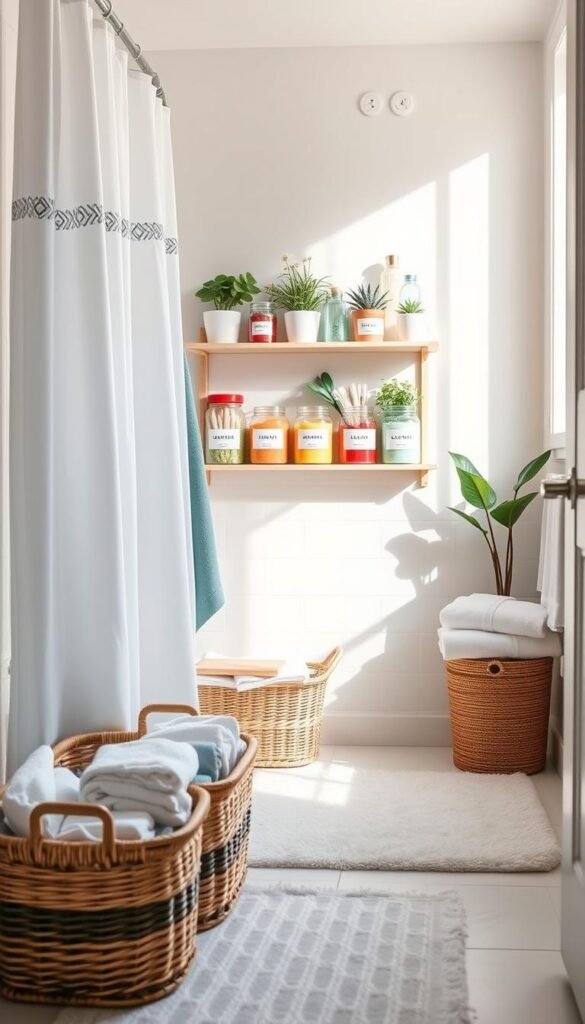
Small bathroom boosts that save floor space
Free your floor space with vertical choices. Add floating shelves above the toilet. Use a ladder shelf in tight gaps.
Under the sink, use clear bins and a small turntable for tiny toiletries. Slide in one bin labeled “Daily.” Keep only what you use each morning.
| Quick Win | Time | Space Benefit |
|---|---|---|
| Counter tray | 5 minutes | Clears visual clutter on the counter and sink area |
| Floating shelf | 10–15 minutes | Adds usable vertical storage above the toilet |
| Slim rolling cart | 10 minutes | Fits narrow gaps; holds daily items on top |
| Coordinated bottles or dispensers | 10 minutes | Reduces label noise; simplifies cleaning and shower top areas |
Visibility first: clear categories, gentle labels, easy maintenance
Clear sightlines and soft labels make daily choices fast and kind.
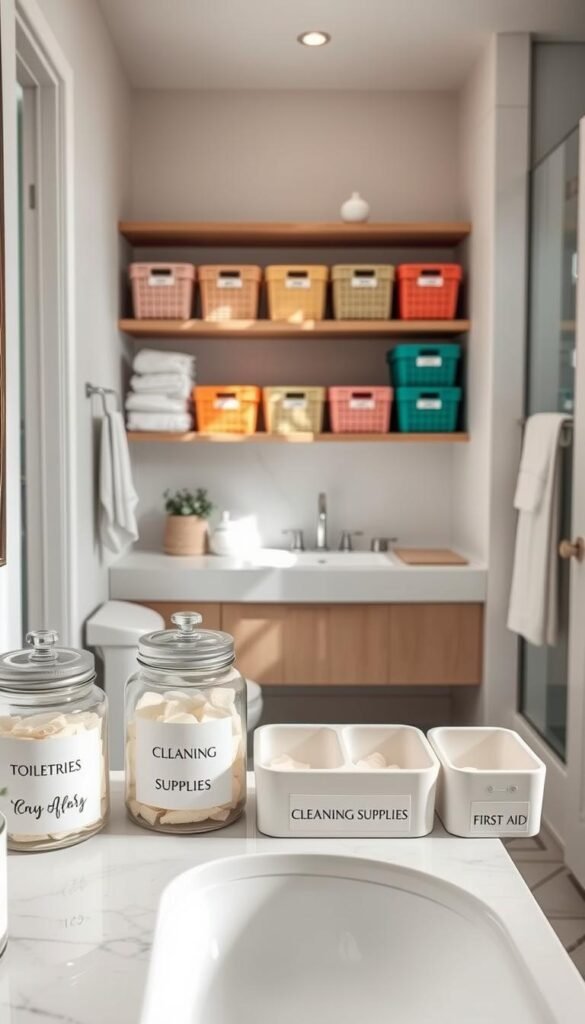
Start by sorting into a few simple groups. Keep words short. Use categories like Hair, Skin, Dental, Body, and First Aid. This keeps the room calm.
Labeling that guides, not guilts
Choose gentle labels. Use terms like “Daily,” “Weekly,” and “Backstock.” The goal is clarity, not perfection.
Quick tips to keep it easy
- Limit each basket to one category. One use per spot.
- Match containers for a unified look. Consistent jars or bins reduce visual noise.
- Label fronts and lids so stacked bins stay useful.
- Use large, readable fonts. Make labels friendly from a distance.
“When you can see your products, you use them—and you put them back.”
| Step | Why it helps | Where to apply |
|---|---|---|
| Clear categories | Speeds finding items | Drawers and baskets |
| Gentle labels | Reduces decision fatigue | Front of bins / lids |
| Consistent containers | Calm, cohesive look | Open shelves and counter |
Go vertical: shelves above the toilet and floating ledges
Add height, not clutter, to reclaim floor room and calm the view.
Open shelving can free the floor and keep daily items within reach. Custom floating shelf designs over the tank blend with your decor. Use the lowest shelf for daily essentials. Place extra paper and towels on the upper shelf.
Measure the wall height first. Note the clearance you need for tall bottles. Check bracket weight limits. Pick anchors that match your wall material. Safety keeps this simple and lasting.
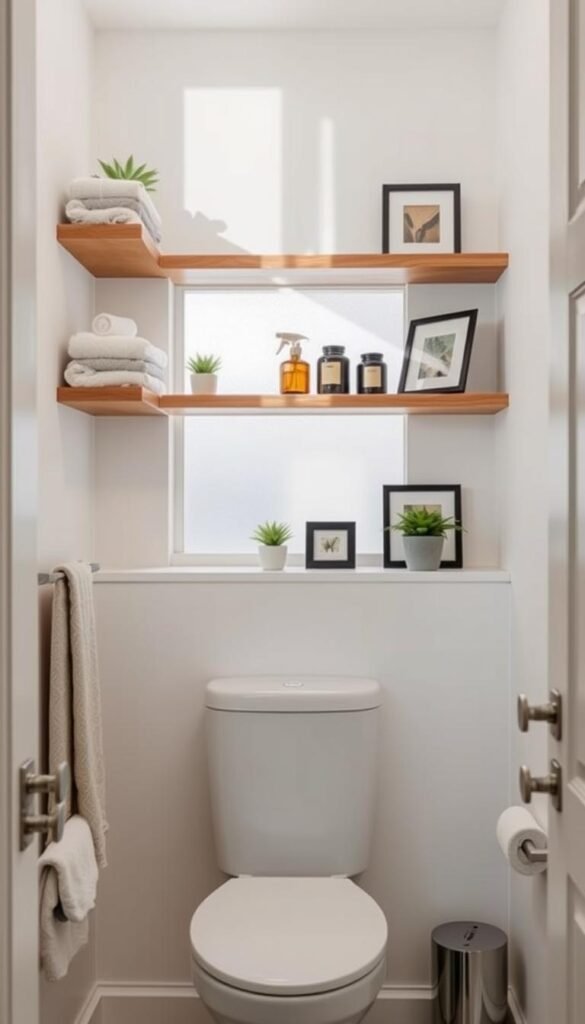
Open shelves that match your style
Choose finishes that echo your faucets or hardware. One function per shelf keeps the area calm. Add a small basket on each shelf to hide labels. Label the basket front for quick scans.
Ladder shelves and etageres for tight spaces
Use a ladder or etagere when floor depth is limited. They give vertical shelving without a wide footprint. Keep styling light. One plant. One jar. Leave breathing room.
“In a small room, vertical choices protect floor space and make movement easier.”
- Measure the wall above the toilet for two or three shelves.
- Place daily items low and bulk paper higher.
- Match finishes for a unified look.
- Check weight limits and anchor well.
- Keep each shelf light and purposeful.
Under-sink solutions that actually fit around plumbing
A measured under-sink plan keeps pipes clear and makes daily reach easy.
Measure first. Note height, width, and where the pipes sit. That small step saves you time and returns calm.
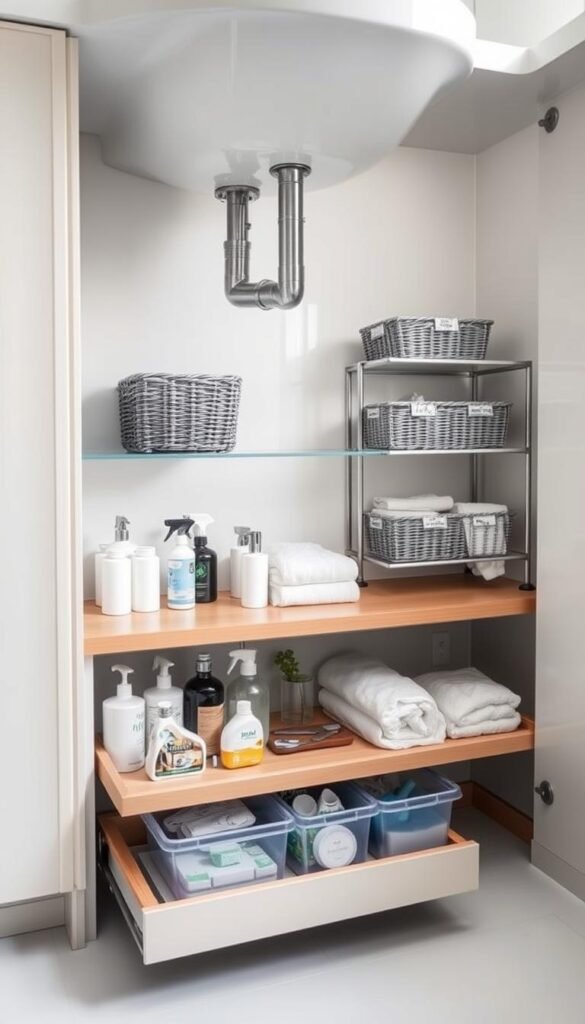
Stacking drawers you can pull out
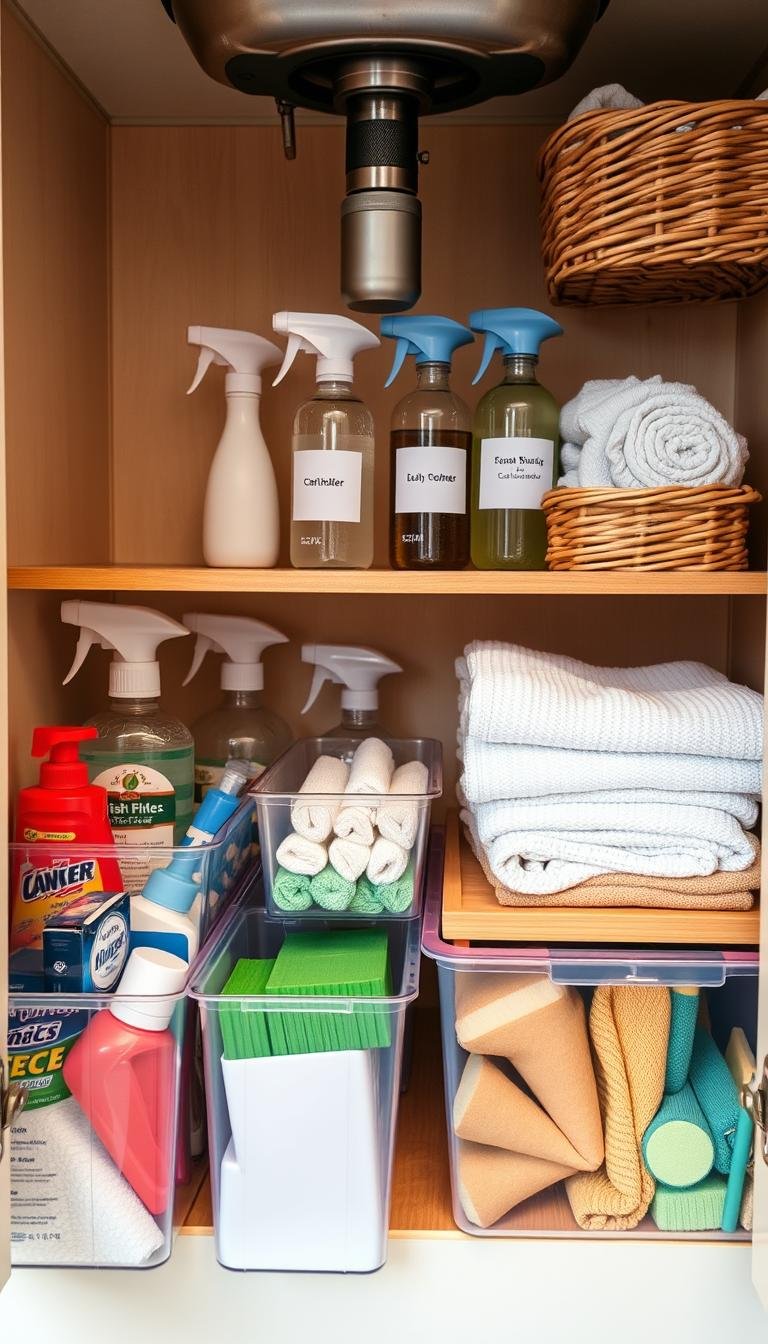
Use stacking drawers to claim vertical space inside the cabinet. Drawers let you pull out what you need. You do not unstack to reach the bottom.
Pantry-style bins for paper and backstock
Reserve tall, open bins for toilet paper and other back supplies. Keep open tops for fast restock. Label each bin so you can scan at a glance.
Turntables for small items you reach often
Place a small turntable for bottles, dental care, and other tiny items. Spin to access the back without digging. It keeps the front tidy.
- Label drawer fronts with “AM,” “PM,” or category names.
- Assign one bin per person to reduce morning friction.
- Keep a low bin for hair tools and wrap cords with soft ties.
- Leave about two inches of empty space so nothing jams.
Finish with a five-minute map. Sketch where each bin and drawer sits inside the cabinet. Tape it to the door for easy upkeep.
“A clear plan and simple pulls make the sink area calm and usable.”
Drawer calm: dividers, small bins, and a simple map
A single well-planned drawer can carry your daily routine. Keep the top drawer for what you use each morning. Move extras to lower drawers or under the sink.
Divide by use: sort items into daily, weekly, and rare. If space is tight, keep only daily in this drawer. This keeps mornings simple and fast.
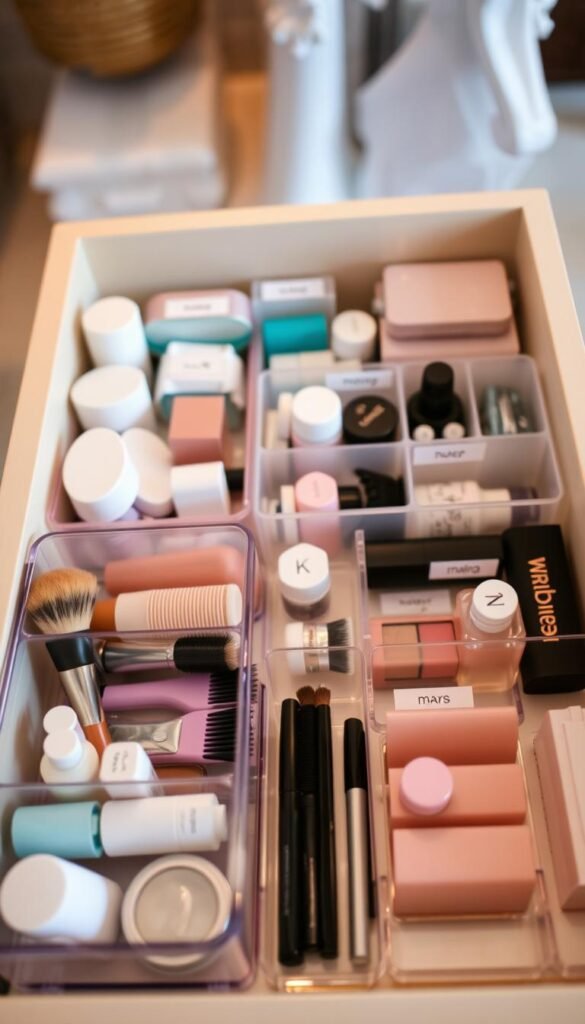
Divide by use: daily, weekly, rare
Empty one drawer. Lay items out. Group into three piles. Put daily things front and center.
Museum gel to stop sliding
Use small bins to corral makeup, brushes, hair ties, and tiny tools. Fit dividers side to side so bins do not drift. Add four dots of Museum Gel under each bin to keep them steady.
- Keep a refill zone in the back for cotton swabs and floss picks.
- Label bins for quick scans and easy resets.
- Create a tiny map under the liner so anyone can return items correctly.
- End each night with a 30-second reset. Return each item to its bin. Calm restored.
“Curate drawers for common use. Store excess in lower drawers or cabinets.”
Medicine cabinet made useful
Treat the medicine cabinet like a tiny stage for everyday essentials.
Keep this shallow space for light, daily-use items only. Think dental tools, a few small skincare pieces, and your daily brushes. Less is more here.
Use jars and cups for vertical storage
Short jars or cups lift small things up so they are easy to grab. Group cotton balls, swabs, and floss in clear containers. Clear jars show levels at a glance.
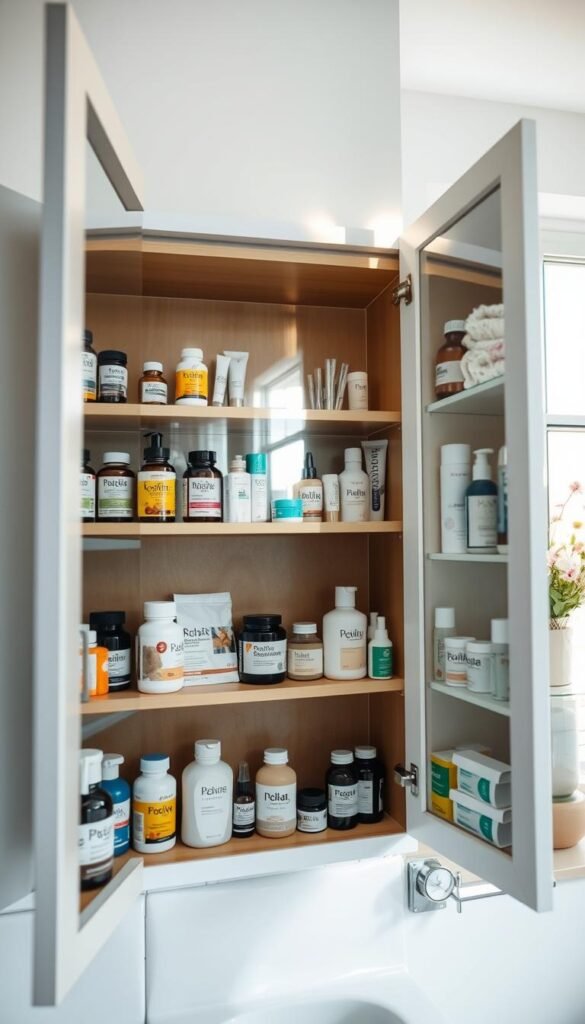
Toothbrushes, floss, and small care items only
Corral toothpastes, flossers, and travel toiletries in small labeled bins. Keep heavier bottles in a lower cabinet. Add a tiny hook on the door for a tongue cleaner or small tool.
“Move medications to a cool, dry closet or hallway cabinet to protect potency.”
- Keep the cabinet simple. Daily dental items. Small care tools. Light skincare.
- Place child-safe items higher and clearly marked.
- Wipe mirrors and shelves during your weekly reset. Sixty seconds saves clutter.
- Keep duplicates out. One open. One backstock stored elsewhere.
Shower and tub zone: tidy bottles, safe tools, clear corners
Keep shower storage simple so your routine stays calm.
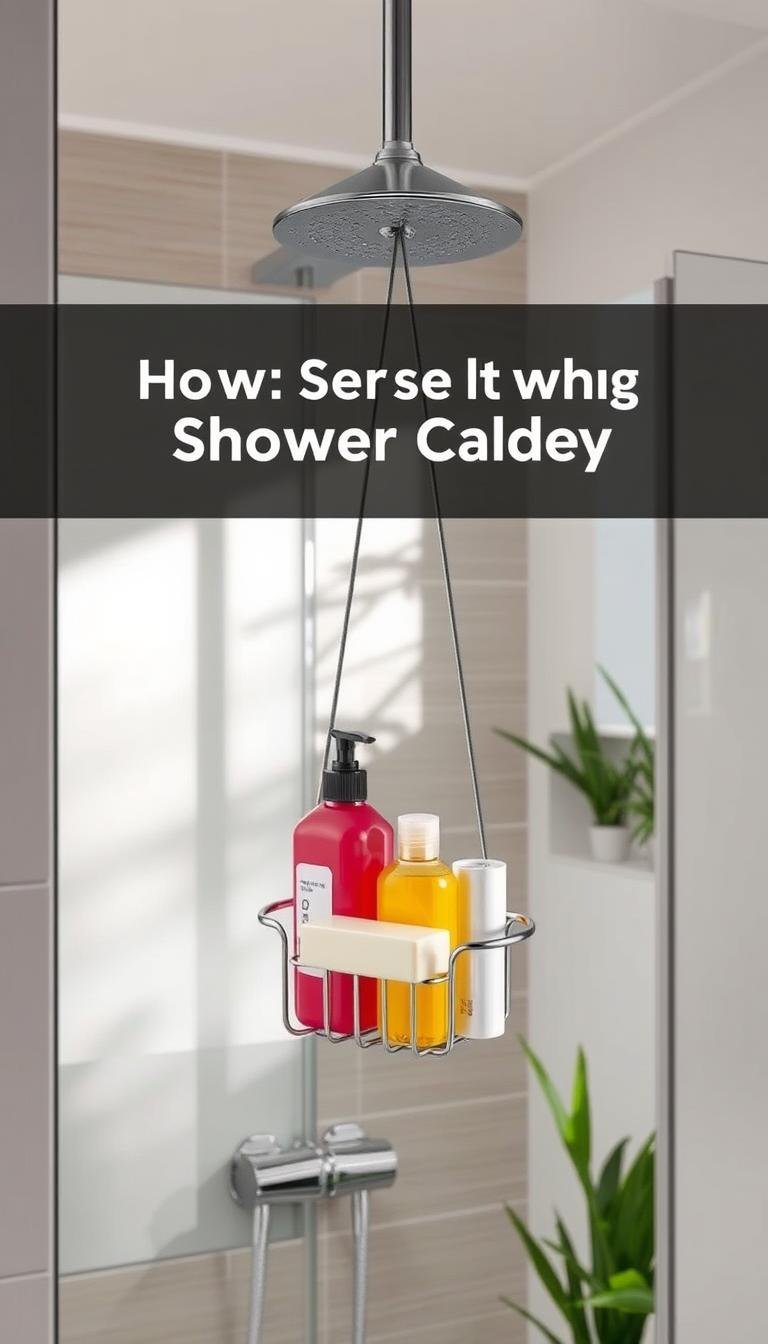
Choose one system and stick with it. Use wall dispensers or matching bottles. Fewer shapes mean less visual noise. Label discreetly so you know what each bottle holds.
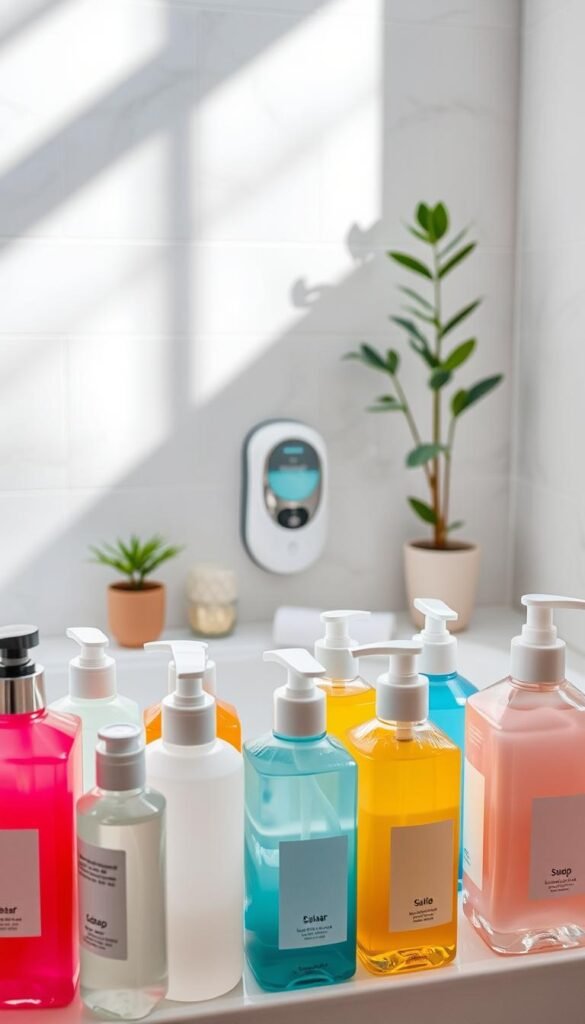
Wall dispensers and matching bottles for a minimal look
Coordinated bottles free up shelf space and make the area feel light. Wall mounts save the counter and the top of the toilet tank. They work well for soap, shampoo, and conditioner.
Corner shelves, caddies, and a stable floor tower
Install a rust-resistant corner shelf to keep bars and bottles dry. If you lack built-in niches, add a floor tower. Choose wide feet and test for wobble before use.
Suction baskets and extra tension rods for kid toys
Use suction baskets for small toys and light supplies. Clean the tile first and check weight limits. For family bathrooms, add a second tension rod and hang mesh baskets for toys. Rotate and rinse baskets weekly.
- Keep only current supplies in the shower. Store extras outside the wet zone.
- Use a small tray across a freestanding tub for a razor and soap.
- Hang a quick-dry cloth nearby for a fast wipe. Mount a hook outside the spray zone for a squeegee.
“Tidy corners feel safer and stay cleaner.”
| Solution | Best for | Key tip | Renters? |
|---|---|---|---|
| Wall dispensers | Minimal look; frees shelves | Label discreetly; refill from top | Yes, choose adhesive mounts |
| Corner shelf | Bars and bottles; soap dry spot | Rust-resistant material; secure anchors | Yes, tension or adhesive options |
| Floor tower | No niches; lots of bottles | Wide base; test for wobble | Yes, no drilling |
| Suction baskets & tension rod | Kid toys and light items | Follow weight limits; rinse weekly | Yes, gentle on surfaces |
Toilet area: neat paper, slim storage, and simple access
Focus on slim storage and easy access to keep this area restful.
Make the spot easy to use. Place a low basket on the back of the toilet to hide two to four rolls of paper. It keeps extras handy but out of sight. Keep the tank top styled and simple.
In a water closet, mount a small cabinet above the bowl. Store wipes and backstock at arm’s reach. Over-toilet units add vertical storage without stealing floor space.
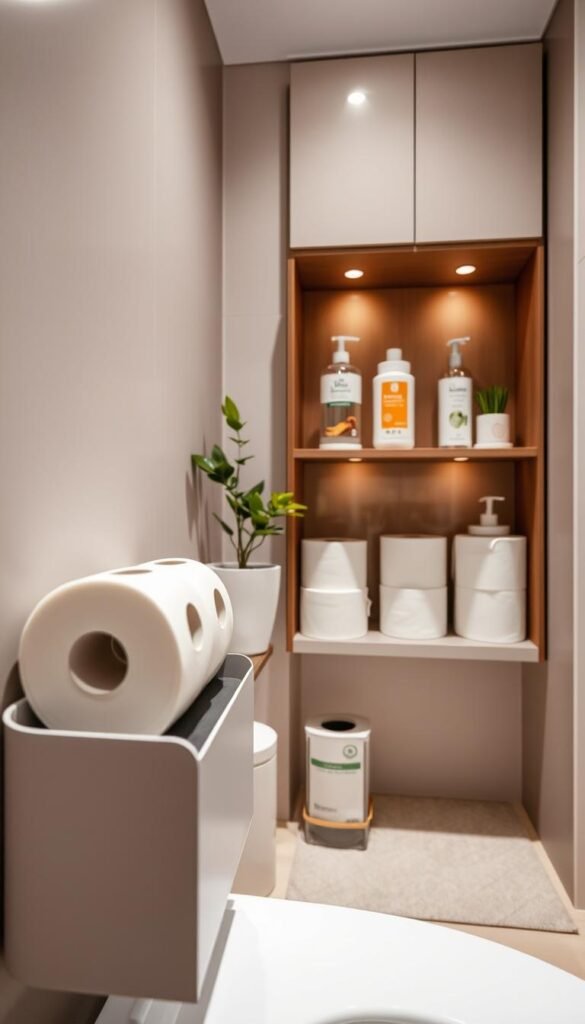
Slim options for tight corners
- Use a slim stand between the toilet and wall in a small bathroom to use dead floor space well.
- Keep a covered bin nearby for hygiene items. Label it gently for guests.
- Add one hook for a hand towel if the sink is close. Quick to grab. Quick to hang.
- Store cleaners elsewhere so this area stays calm and clear.
“Top up paper and wipes every Sunday. Wipe the tank lid during your daily reset. Ten seconds makes a big difference.”
Countertop and vanity: a styled tray and fewer essentials
A simple tray makes your morning essentials feel intentional.
Keep the counter calm. Choose one small tray near the sink. Let it hold soap, one perfume, and the single makeup item you use daily.
Tray to corral favorites
A styled tray groups loved items. It creates one tidy place to touch each morning. Leave one empty spot on the tray. Space reads as calm.
Mount holders to free space
Mount a toothbrush holder and a soap dispenser on the wall. This opens surface area and keeps the sink clear. Store extras in drawers with dividers.
“Limit what you show. Fewer items make upkeep and cleaning faster.”
| Solution | Best for | Quick tip |
|---|---|---|
| Small tray | Daily essentials | Keep one empty spot |
| Wall-mounted holders | Toothbrushes & soap | Frees counter near the sink |
| Slim cart or baskets | Extra storage | Top shelf for current items; lower for refills |
- Return each item nightly. Two minutes. Done.
- Move non-daily things to labeled drawers.
- Choose neutral colors for a calm look.
Towels, hooks, and ladders: make putting away easy
Make towel care effortless so your mornings feel calmer. Keep systems simple. Favor ease over perfection. Small changes help the whole family pitch in.
Hooks over bars for quicker resets
Swap bars for single hooks. Hanging a towel takes seconds. Hooks dry items faster. Place hooks at heights each person can reach. Label with initials for shared spaces.
Use a towel ladder to use vertical room
A ladder saves floor space and holds multiple towels. Clip a small basket to a rung for washcloths or toys. Keep a hamper by the door for wet items. This stops piles and keeps the room tidy.
- Keep two towels per person in rotation.
- Choose quick-dry fabrics to cut mildew risk.
- Place hooks at child height so kids help more.
- Do a weekly wash and reset. Fresh towels on the lowest rungs.
- Use the ladder for extra storage like baskets or hooks.
“Hooks and a simple ladder make daily care faster and the space feel bigger.”
Hair tools, makeup, and daily gear without the tangle
Tame tool tangles with a few renter-friendly swaps that keep things tidy.
Clear counters by giving each tool a simple home. Focus on ease. Aim for quick access and safe cooling spots.
Over-door racks built for wider tools
Choose an over-door rack designed for wide hair tools. These hold dryers and flat irons without drilling. Measure the door clearance first so it closes smoothly.
Pick models with cord wraps or hooks. If your tools have retractable cords, you cut visible clutter even more.
Wall caddies and repurposed spice racks
Mount a slim wall caddy for makeup and daily skincare. Keep products upright and visible. This frees the counter and speeds your routine.
Repurpose acrylic spice racks in a nearby cabinet or closet. Clear fronts help you see palettes and small bottles at a glance.
- Use an over-door rack for wide dryers and irons—no drilling needed.
- Choose holders with cord wraps or buy tools with retractable cords.
- Keep heat-resistant sleeves close so tools cool safely.
- Assign one shelf per person. Labels prevent mix-ups.
- Store backups in a cabinet bin. Keep only daily items out.
- Place a surge-protected power strip inside a cabinet if safe and allowed.
- End each morning with a 30-second cord wrap. Calm tools. Calm mind.
Measure before you buy. A tiny step prevents stuck doors and wasted returns.
“Move hot tools off the counter and into a simple holder. It reduces clutter and speeds your morning.”
The result is a neat space you can use without fuss. Small, renter-friendly fixes give big calm. These solutions keep your bathroom easy and ready each day.
Color, containers, and baskets: a softer visual
A calm color story can make your shelves feel like a gentle pause. Choose a tiny palette. Repeat one container style. The room reads as calm. You will notice less visual noise and more ease each morning.
Match containers and hide busy labels
Match containers and hide busy labels
Decant strong-brand bottles into matching pumps or flip-tops. Label simply. Clear labels help you find what you need without opening every bin. This small step turns many products into one tidy group.
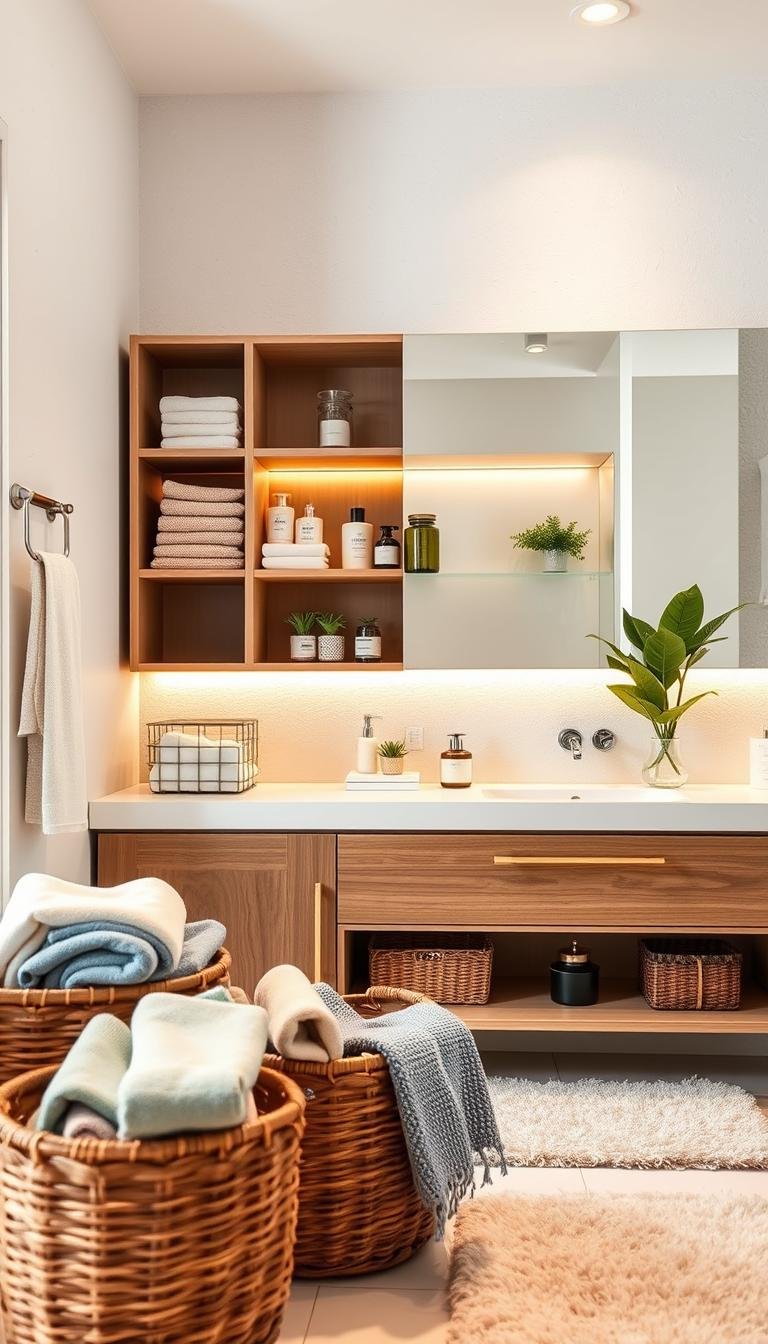
Woven baskets for open storage
Use woven baskets on open shelves to hide bright labels. One basket per shelf keeps the eye happy. Leave breathing room around items. Empty space is part of the design.
- Choose one container style and color for most storage and linens.
- Use woven baskets to tuck away small products and toiletries.
- Group makeup by type in matching pouches or small bins inside drawers.
- Refresh one basket each week. Quick edit. Quick dust. Done.
Tip: Stick to neutral towels and jars. If you want a pop of color, add a small plant.
Linen closet and backstock: keep it light
A tidy linen closet makes refills and resets feel easy and calm.
Keep this small space focused on bath textiles. Store towels, washcloths, and hand towels only. This reduces decision fatigue and makes daily grabs faster.
Store only towels here; move sheets to bedroom closets
Move sheets to each bedroom closet. Use one labeled bin per room. That keeps changes fast and keeps this closet light.
Solid shelf covers over wire for stable stacks
Add simple DIY covers to wire shelving so stacks do not slump. A flat shelf helps folded towels sit neat. It also protects delicate linens.
- Limit this closet to bath textiles and a few essentials. Towels. Washcloths. Hand towels.
- Keep toilet paper backstock on an upper shelf and label it clearly.
- Fold towels in thirds for uniform stacks. Store two sets per person here.
- Use one drawer or bin for guest supplies. Label it “Guest.”
- Keep an inventory card on the door. Note what to restock each month.
- Avoid overfilling. Leave one empty space per shelf for flex.
- Store seasonal textiles in the bedroom, not here.
- Do a quarterly re-fold and dust. Calm closet. Calm bathroom.
“A light, well-labeled linen closet saves time and keeps your bathroom calm.”
| Need | Where | Quick tip |
|---|---|---|
| Extra toilet paper | Upper shelf | Label and stack in small bins |
| Guest essentials | One drawer or bin | Keep a labeled kit ready |
| Stable stacks | All shelves | Add solid shelf covers over wire shelving |
Gentle routines: daily resets, weekly checks, monthly edits
A few calm habits each week keep your room steady and gentle.
Begin with small, kind steps. Do them often. Progress beats perfection.
Daily (5 minutes)
- Clear the counter. Return items to bins.
- Quick wipe of sink and faucet. Two swipes on the shower glass.
- Hang towels on hooks. Replace only if needed to save water.
Weekly (15 minutes)
- Refill paper and soap. Tidy drawers and restick loose labels.
- Wipe shelves and caddies. Refill small cleaning supplies caddy so you can move through spaces fast.
Monthly (20 minutes)
- Toss expired products. Donate sealed duplicates.
- Re-measure bins if things feel tight. Rotate seasonal creams and sunscreen into labeled bins.
- Move medicine out of humid areas. Store medications in a cool, dry closet or bedroom cabinet.
Extend the habit: apply the same reset to the kitchen counter, pantry bins, nightstand, and entryway mail. Post a short checklist on a cabinet door to keep routines visible.
“Gentle habits build lasting calm. Aim for progress, not perfection.”
| Routine | Time | Key action |
|---|---|---|
| Daily reset | 5 minutes | Clear counters; quick shower and sink wipe |
| Weekly reset | 15 minutes | Refill supplies; tidy drawers; refresh labels |
| Monthly edit | 20 minutes | Remove expired items; donate duplicates; re-measure bins |
Conclusion
You do not need a full overhaul to get peace at the sink. Start with one small area. Clear space first. Keep one tray. Add one hook. These small moves change daily flow.
Try one gentle step today. Pick a drawer, a shelf, or a slim corner. Use labeled bins, stacking drawers, or a floating shelf that fits your room. These are simple solutions that last.
Store medicine in a dry cabinet outside the room. Move sheets to bedroom closets. Keep a basket on the tank to hide extra rolls. Follow the routine: five minutes daily, a short weekly reset, and a monthly edit.
Repeat these systems in other rooms. The same way works in the kitchen, closet, and entryway. One drawer. One shelf. One soft win at a time. Your bathrooms will feel calmer, and your back will thank you.
FAQ
How do I make space before adding new storage?
Start gentle. Clear the counter and drawers. Sort items into keep, donate, recycle, or relocate piles. Measure the empty spots you want to use. This helps you choose shelves, baskets, or a slim cabinet that truly fits the area and your routine.
What quick wins can I do in under 15 minutes?
Small swaps make a big difference. Install hooks behind the door. Add a tray to corral soap and brushes. Move extra bottles into a single basket. Replace mismatched bottles with a set or a wall dispenser for an instant calm look.
How can I save floor space in a small room?
Go vertical. Add floating ledges above the toilet or a slim ladder shelf. Use over-the-door racks for hair tools. Wall caddies and narrow etageres keep essentials off the floor while staying within reach.
What’s the easiest way to keep things visible and tidy?
Clear categories and gentle labels. Use see-through bins for frequently used items. Label only what helps you find things. Short, kind labels reduce guilt and make maintenance simple.
Which shelving works best above the toilet?
Open shelves or a small cabinet. Choose materials that resist moisture like sealed wood or metal. Keep a basket for toilet paper and a slim tray for small toiletries to avoid a cluttered look.
How do I organize under the sink around pipes?
Use stacking drawers and narrow pantry-style bins. Measure first. Choose pull-out drawers for access. Keep toilet paper in tall bins and small items on a turntable so you don’t have to reach deep into tight spaces.
How should I set up drawers to stay calm?
Divide by use: daily, weekly, and rare. Add small bins or dividers. Keep a simple map taped inside the drawer if you need a reminder. Museum gel helps items stay put and stops rattling when you open drawers.
How can I make a medicine cabinet more useful?
Use jars and cups for vertical storage. Group pills, first-aid, and skincare in separate containers. Keep toothbrushes and floss in their own cup. Remove expired meds and keep heavier items on lower shelves.
What’s the best way to tidy shower and tub products?
Use wall dispensers for a minimal look or matching bottles in a caddy. Corner shelves or a stable floor tower are good for heavier bottles. For kids, add suction baskets and an extra tension rod to corral toys.
How do I keep the toilet area neat without losing access?
Use a basket on the tank for extra rolls and a small cabinet above if you need closed storage. Slim shelving units that tuck beside the toilet work well for wipes and spare supplies.
How can I style a countertop while keeping it functional?
Pick a simple tray for daily favorites like soap, perfume, and a brush. Mount toothbrush holders and dispensers to free counter space. Keep only essentials out. Store extras in drawers or a nearby basket.
What’s the easiest way to handle towels and quick resets?
Install hooks over bars for quick hangs. Use a towel ladder for vertical drying and neat storage. Fold and stack towels on a shelf or in a woven basket for a softer visual.
How do I store hair tools and makeup without tangles?
Use over-door racks for wider tools and wall caddies for small bottles. Repurposed spice racks are great for small makeup and brushes. Keep cords wrapped with a soft Velcro strap to avoid knots.
How should I choose containers and baskets for a calm look?
Match containers by color or texture. Use woven baskets to hide busy labels. Pick soft, neutral tones for a soothing feel. Clear bins work where visibility matters.
What belongs in a linen closet versus a bedroom closet?
Keep towels and backstock linens in the linen closet. Move sheets to bedroom closets if space is tight. Use solid shelf covers over wire shelving to keep stacks stable.
What simple routines help keep the space tidy?
Daily: a five-minute counter and shower reset. Weekly: refill dispensers, relabel if needed, and tidy drawers. Monthly: declutter duplicates and throw out expired care items. Small, regular steps prevent overwhelm.