
10-Minute Declutter: Quick Wins
You are busy. You want a calm home without a huge project. This guide gives soft, simple steps you can use in a few minutes. It sets clear, tiny wins so you feel steady progress instead of pressure.
Start with one small area. Use a timer. Focus on one surface. Make three clear choices: keep, toss, or donate. This method saves time and protects your energy.
We offer a short checklist and numbered steps. You will find room-by-room examples. You will get a tiny challenge you can repeat any day for motivation. These routines fit real life. They help your home feel lighter by bedtime.
Key Takeaways
- Begin with one tiny area and a short timer to make progress fast.
- Use simple decisions: keep, toss, donate.
- Repeat a small challenge daily to build momentum.
- Follow easy, room-specific examples to know what to do next.
- Small wins add up and make home care feel gentle and doable today.
Why Quick Wins Work for Real Life
You can make real change with short habits that fit your evenings and weekends.
Small efforts respect your life. They let you keep your energy and show steady progress.
A calm start: small actions, steady progress
Try brief sessions. Ten minutes here, a single surface there. Those minutes are enough to move a surface and clear a spot.
Think like a minimalist, not an extremist
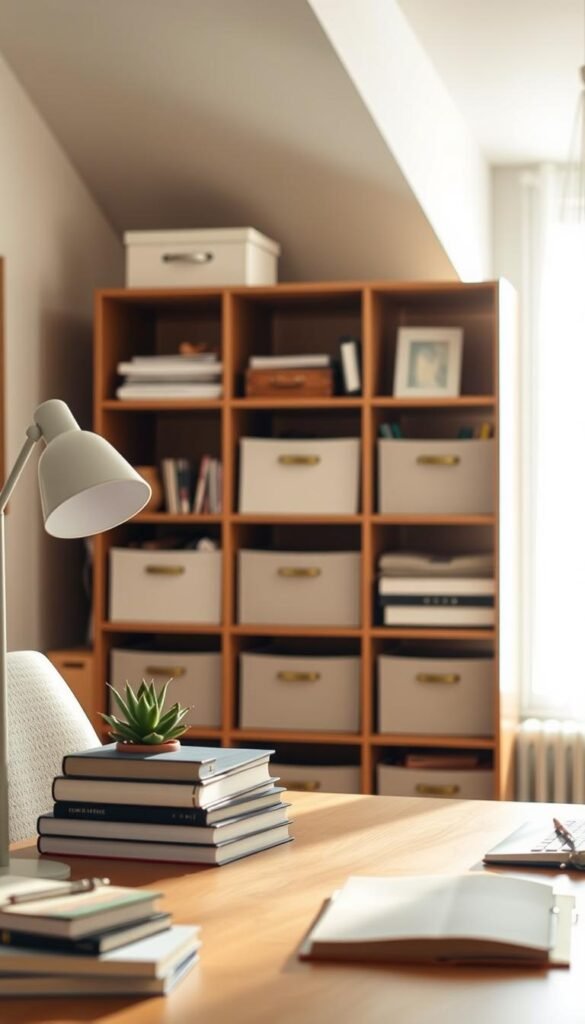
Minimalist thinking edits as you go. You notice sticky spots and remove what no longer serves you. This way makes the process gentle and repeatable.
- Pick a donation spot you trust. It speeds tough choices.
- Create a home drop box and keep your hands out once items go in.
- Use the simple one-in, one-out rule to protect results.
One family of five found this method worked. They used evenings and weekends. The full house reset took about a year. Small daily work beat marathon sprints. You can do the same.
10-Minute Declutter: The Simple Method
Pick one tiny zone and commit a few focused minutes. This method keeps work small and kind. It helps you finish. It protects your energy.
Set a timer and pick one tiny area
Set a timer for the session. Choose one shelf, drawer, or counter. Keeping the space small makes success fast.

The 10-10 method: remove ten items fast
The 10-10 method asks you to remove ten easy items in about ten minutes. Look for duplicates, broken goods, and expired products.
- Bathroom: toss old sunscreen and expired creams.
- Pantry: scan cans and spreads for dates.
- Drawer: group socks and remove orphans.
Keep, donate, trash: use one bag and one box
Sort into three choices: keep, donation, trash. Use one bag for trash and one box for donation. This keeps decisions clear and calm.
Gentle rules that help: one in, one out
Rule: When something new arrives, let one go. It is gentle control. It protects your progress.
- Step 1: set timer and pick one small surface.
- Step 2: use the 10-10 method and get rid of ten simple items.
- Step 3: sort into keep, box, or bag.
- Step 4: check dates, fit, and usefulness.
- Step 5: group like with like, then remove extras.
- Step 6: move the donation box to your drop spot right away.
- Step 7: apply one in, one out as an ongoing rule.
- Step 8: stop overbuying perishables you waste.
- Step 9: when the timer ends, do a 60-second reset and tie the bag.
- Step 10: note one small win so you want to repeat the method.
Small wins matter. Use this system for minutes at a time. It builds calm without pressure.
Room-by-Room Quick Wins
Choose one surface and spend a few focused minutes to change the mood of a room. Small, clear tasks make upkeep simple. Use a soft timer. Keep choices kind and brisk.
Kitchen & pantry
One shelf. One cabinet. One drawer. Scan dates on cans, soups, beans, jams, and spreads. Pull expired items. Wipe the small space. Return only what you cook with.
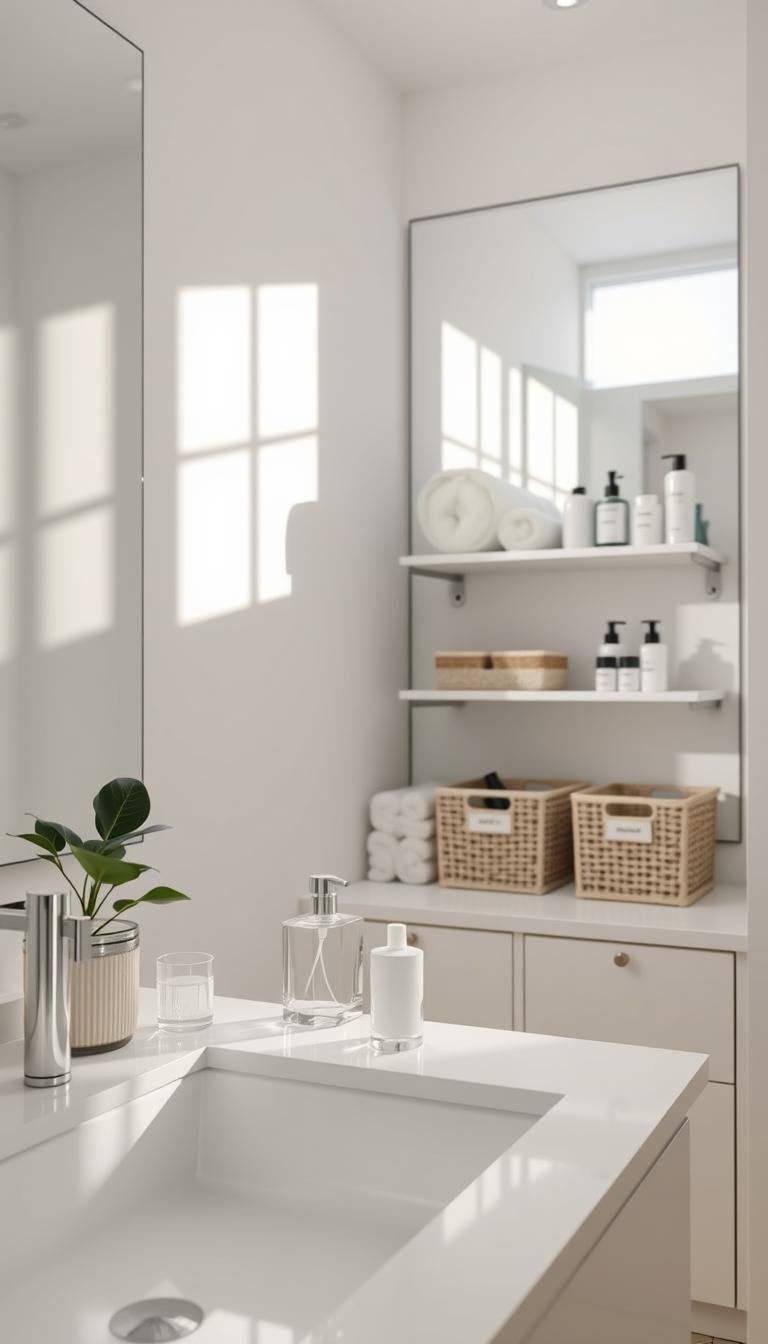
Bathroom & medicine cabinet
Check sunscreens and travel-size products. Let expired medicine and lotions go. Keep daily items front and center so the cabinet feels calm and usable.
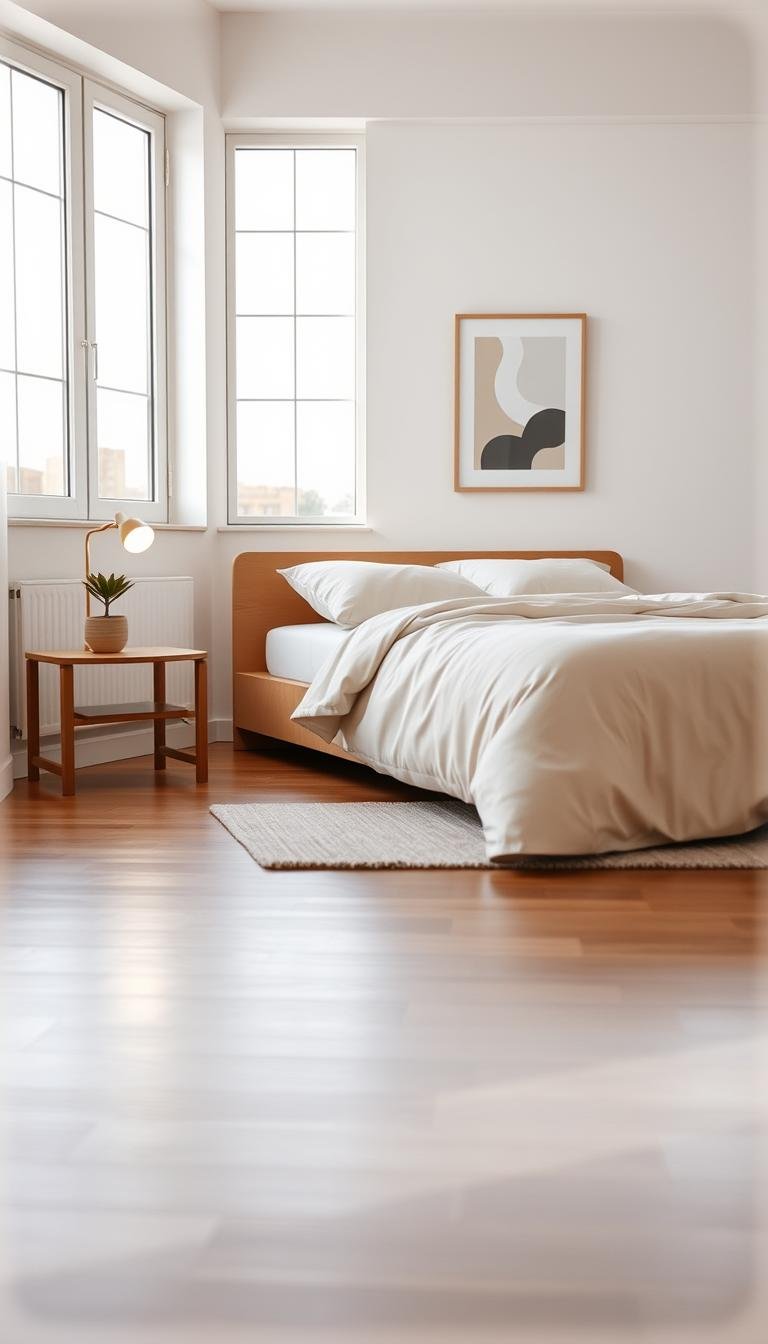
Bedroom, closet & dresser
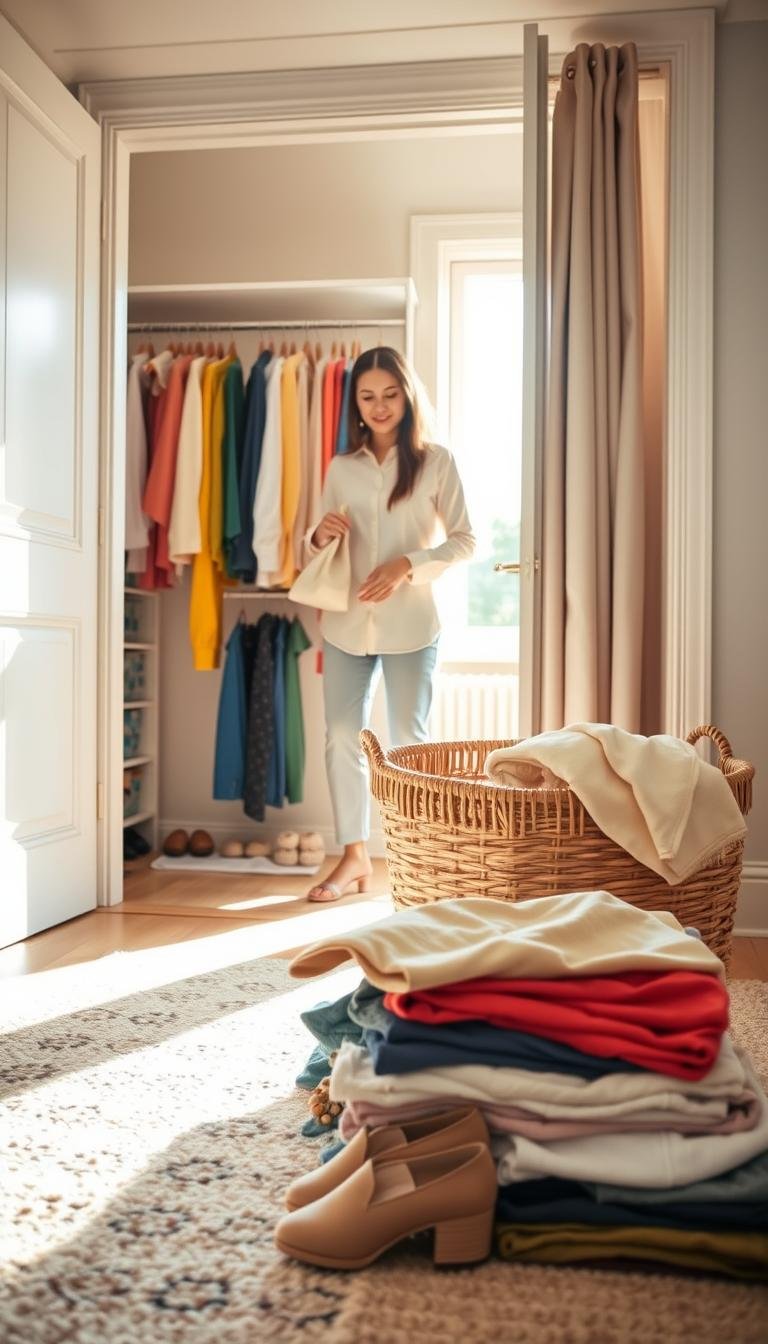
Pull five pieces you avoid wearing. Note why and donate the rest. Pair socks in the drawer. Keep only favorites so mornings go smoother.
Entryway, nightstand & surfaces
Return three things by the door to their home. Clear the nightstand of extra books and cups. Make these spots your daily reset zones.
Digital space & bag
Delete screenshots. Remove unused apps and unsubscribe from a few lists. Empty your bag. Toss old receipts. A lighter bag makes the day feel easier.
- Quick task: Pick one small area. Spend five to ten minutes. Celebrate the visible win.
Daily, Weekly, and Monthly Routines
A steady rhythm of short tasks makes your home feel lighter in just a few days.
Daily: one spot, ten minutes, one tiny list
Pick one surface each day. Set a timer for ten minutes. Remove ten easy items.
Quick wins: write one line on a tiny list to track the win. End with a one-minute sweep of your most-used spot so mornings feel calm.

Weekly: drop spot to donation run
Select a weekday for donation runs. Keep a drop spot and a box ready. When full, take it to your chosen charity the same day.
Do a weekly refresh of entryways and nightstands. Scan one pantry shelf and plan a meal around what you find to cut waste.
Monthly: go deeper on one area
Pick one drawer, two cabinets, or a closet rod. Spend focused minutes until the space is finished. Expect a messy stage before you finish. Then enjoy the change.
- Gentle challenge: each week, choose a small challenge—delete ten photos or release five clothing items.
- Method reminder: keep your timer and bags in one place so starting takes seconds.
- Close the loop: put trash out the same day and schedule the donation so nothing lingers.
| Routine | Time | Action | Result |
|---|---|---|---|
| Daily | 10 minutes | One spot, clear 10 items, add one line to list | Small wins every day |
| Weekly | 30–60 minutes | Donation run, entryway refresh, pantry scan | Less clutter, fewer wasted items |
| Monthly | 1–2 hours | Deep session on one area, recycle old papers | Visible before-and-after that sticks |
Consistency beats intensity. A few focused minutes each day change your house over time. Be kind to yourself. Keep the routine simple. Repeat the challenge and celebrate small wins.
Conclusion
A few calm minutes can change how your house feels.
You don’t need more time. Set a timer for three minutes. Pick one small place. Remove a few items and put a bag or box by the door.
Small work in one room, drawer, cabinet, or closet adds up. Do it in the kitchen, bathroom, pantry, or bedroom. Let go of obvious products and stuff first.
Keep it simple. Use one rule like one in, one out. Return things to their place. Remove expired medicine or three books. Celebrate the visible progress and keep the gentle challenge going each day.
FAQ
What is the 10-Minute declutter method?
It’s a gentle, time-boxed approach. Set a timer for ten minutes. Focus on one tiny area. Remove items that don’t belong or you no longer use. The goal is steady progress, not perfection. Small wins add up and make your space calmer.
How often should I do these quick sessions?
Aim for daily short bursts when you can. Even three or four sessions a week help. Pair them with a weekly task, like a donation drop-off. Monthly, choose one area to go deeper. Consistency keeps clutter from piling back in.
What should I bring to each session?
Bring one bag for donations or recycling and one box for items that need a new home. A small trash bag helps too. A timer keeps you honest. Keep things simple. The fewer tools you need the easier it is to start.
How do I decide what to keep, donate, or trash?
Use quick, gentle rules. Ask: Have I used this in a year? Does it bring me calm? If not, put it in the donate or trash pile. For clothes, pick five pieces you rarely wear and let them go. If it’s broken and won’t be fixed, trash it.
Can this work for a busy household with kids?
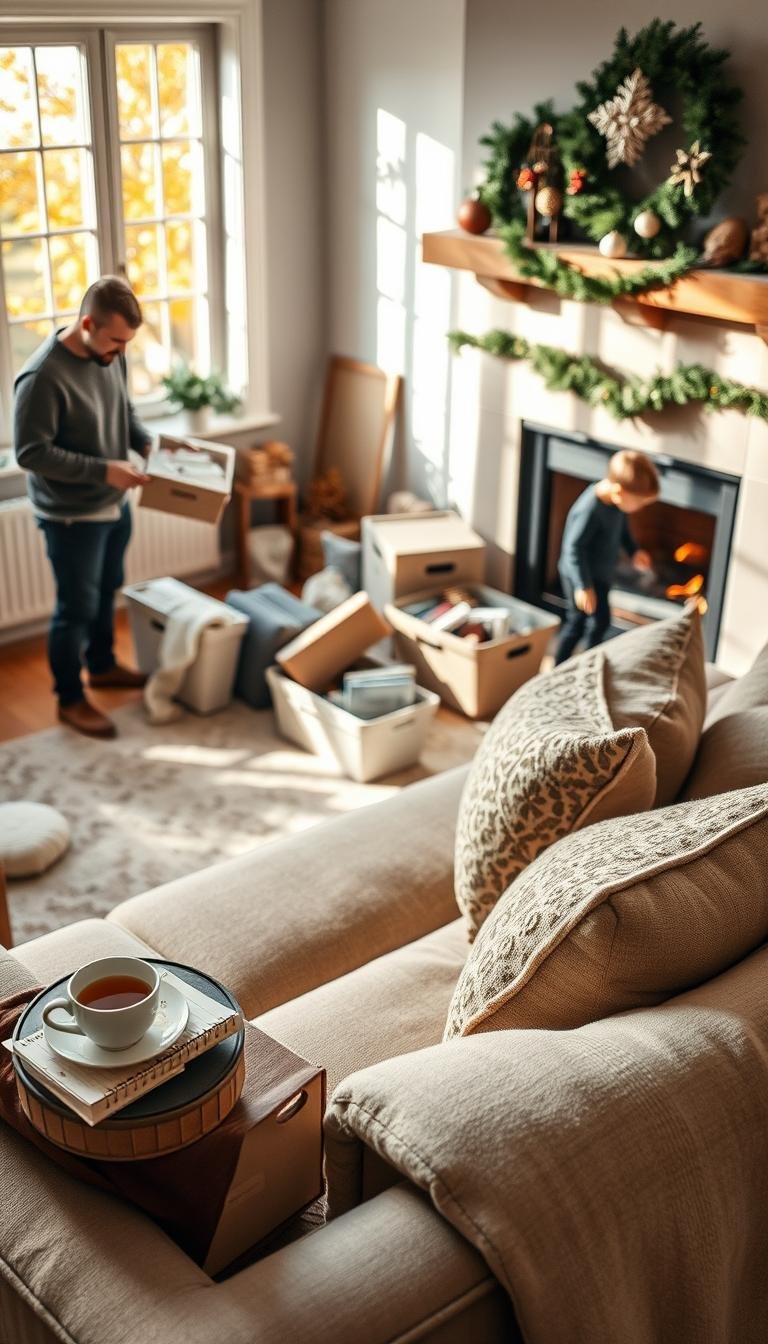
Yes. Make it a shared, short routine. Give kids a simple task: one toy bin, five items. Use a family donation box for items to pass along. Keep expectations small. The aim is a calmer home without extra stress.
Which rooms give the fastest results?
Start where clutter shows most. The entryway, a nightstand, a single kitchen drawer or a pantry shelf often clear quickly. Digital spaces also give fast wins—delete old screenshots or unsubscribe from one list.
What is the 10-10 method mentioned in the guide?
It’s a quick removal trick. Find ten items you no longer need and move them out fast. It’s motivating and clears visual clutter. Use it for drawers, shelves, or a handbag. Ten small choices feel manageable.
How do I keep things from returning to their old spots?
Add gentle routines. A one-in, one-out rule helps. Give everything a home. Set a 10-minute daily reset for high-traffic zones. Create donation and recycling habits so items leave the house quickly.
Is there a rule for sentimental items?
Be kind to yourself. Limit sentimental sorting to short, focused sessions. Choose a small box for keepsakes. Photograph items you can’t keep. Ask if the item supports your life now. If not, consider letting it go gradually.
What if I feel overwhelmed starting?
Start with one minute if ten feels too long. Pick a tiny, specific spot. Celebrate small progress. Use a timer and stop when it ends. Gentle steps build confidence. You don’t need perfect spaces to feel peaceful.